

_副本_1791504606775.webp)
_1791504931017.webp)
_副本_1791504628281.webp)
_1791504933548.webp)
_副本_1791504713782.webp)
Rotary Tilt Bucket | 360° Rotate Excavator Bucket for Railway Maintenance
Applicable tonnage ton 7-10 13-15
Applicable track gauge mm 1000/1435/1520 1000/1435/1520
Effective working width mm 1500 1600
Max height mm 550 550
Working angle — 40° 40°
Rotating angle — 360° 360°
Rate of flow L/min 40 40
Work Pressure mpa 12 12
Weight kg 635 765
Packing size mm 15407301450 16407601490
- Product Description
Rotating Tilt Bucket
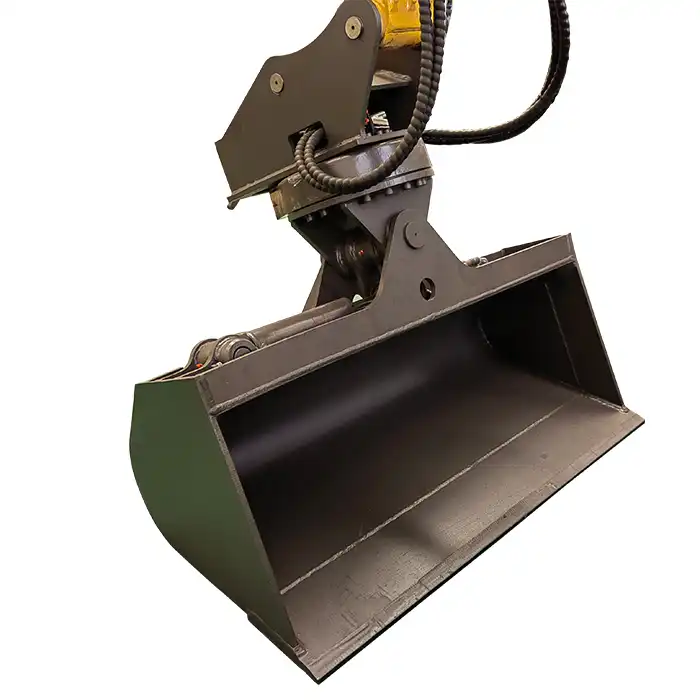
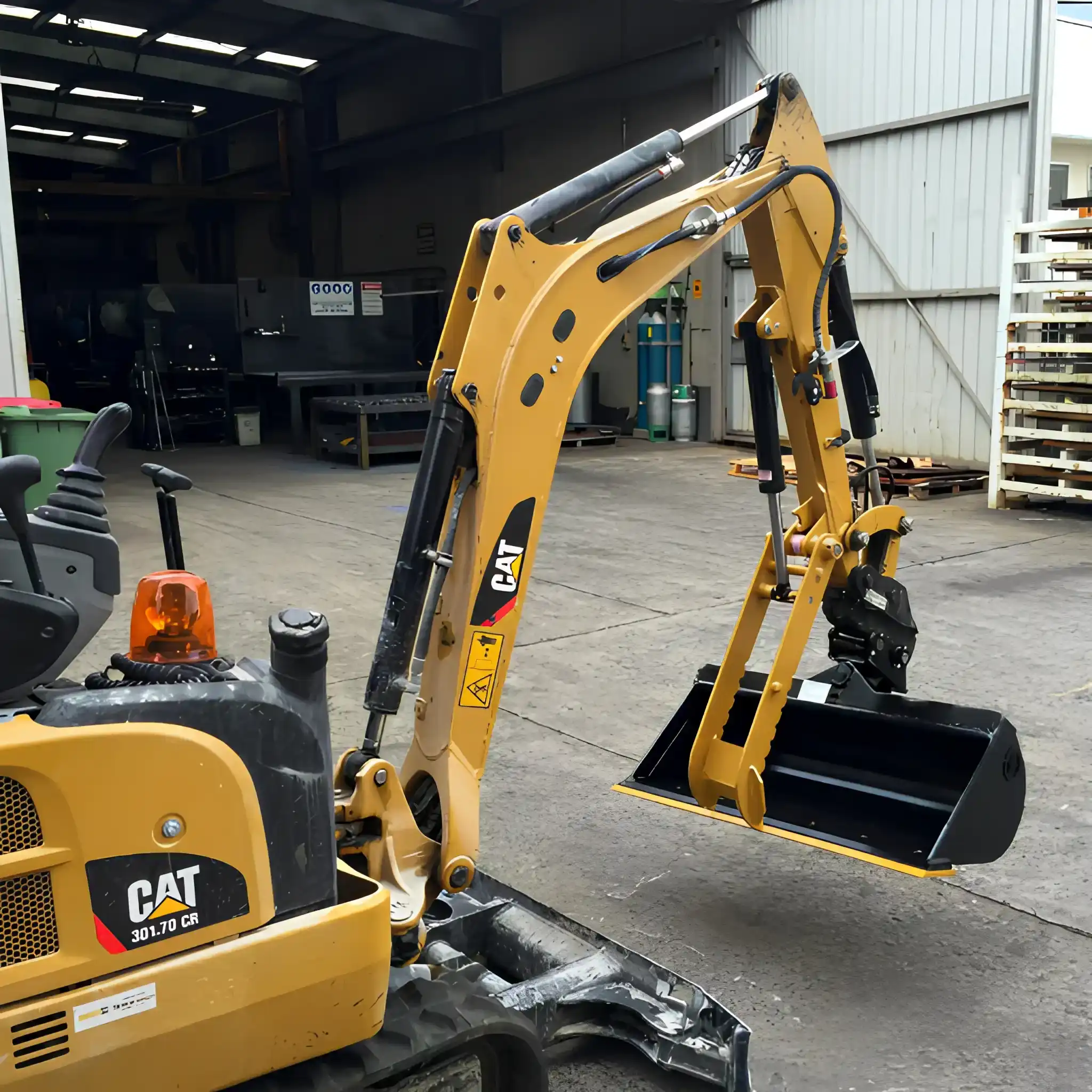
The rotating tilt bucket is a hydraulic working attachment for excavators. Mounted on the end of the stick, it is driven by the carrier's hydraulic circuit to rotate a full 360° and to tilt 40° to either side, so the bucket can be brought onto the work at any direction and at the angle the job requires. It is built for railway ballast handling — moving ballast back into the track and forming the shoulder to profile — and the bucket bottom can be made in two types, flat or grid, according to the working method. Two models are offered: TNXZQXD75 for 7–10 t excavators with a 1500 mm effective working width, and TNXZQXD150 for 13–15 t excavators with a 1600 mm effective working width. Both are produced in our Jining workshop, where the bucket body goes through cutting, forming, welding, grinding and finishing before assembly with the rotary head.

Tiannuo Machinery is a manufacturer of excavator attachments and railway maintenance equipment. With more than 10 years in the industry, we supply rotating tilt buckets, ballast ploughs, screening buckets, sleeper changers, track trolleys and railway cleaning buckets, together with excavator modification, long reach booms and custom fabrication. Our range is used in construction, mining, railway construction and track maintenance, and each unit is built to the carrier and the working conditions it is ordered for.
What is a Rotating Tilt Bucket?
A rotating tilt bucket is an excavator attachment that adds two independent motions between the machine and the bucket: rotation on the vertical axis, through 360°, and tilt, through 40° in either direction. Rotation changes the direction the bucket faces; tilt sets the angle of the cutting edge. A standard bucket can only work at whatever angle the boom and the machine position allow, which is a real limitation on track, where the excavator sits in the four-foot and there is little room to reposition it.
The attachment is used for backfilling ballast and for shoulder forming. With the flat bottom, ballast is carried and placed and the shoulder is formed to profile. With the grid bottom, the bucket screens as it works, holding back the coarse stone while the fines pass through, so recovered ballast can be separated on site.

Key Features
1. 360° Rotation: The bucket turns a full circle on its vertical axis, so it can be faced at any direction without turning the machine. This is what allows the operator to work the shoulder from a single machine position.
2. 40° Tilt: The bucket pitches 40° to either side, so the cutting edge can be laid flat, angled or stood up to match the slope being formed. Rotation positions the bucket; tilt shapes the material.
3. Two Bucket Bottom Types: The bottom can be made as flat or grid. The flat type is for carrying and placing ballast and for forming the shoulder; the grid type screens while it digs and is used where ballast is recovered and re-used rather than all replaced.
4. Matched Hydraulics: Both models work at a rated flow of 40 L/min and a working pressure of 12 MPa, which is an ordinary auxiliary-circuit requirement. Confirm your machine's auxiliary line against these two figures before ordering.
5. Two Models, Three Track Gauges: TNXZQXD75 suits 7–10 t carriers and TNXZQXD150 suits 13–15 t carriers. Both are built for 1000 mm, 1435 mm and 1520 mm track gauges, covering metre gauge, standard gauge and the 1520 mm network.

How It Works
The rotating tilt bucket is mounted on the end of the excavator stick and is driven hydraulically from the carrier's auxiliary circuit. From the cab, the operator controls rotation and tilt as separate movements: the head is rotated until the bucket faces the work, then tilted until the cutting edge sits at the angle the ballast profile requires. Because the machine itself does not have to be repositioned between the two movements, the bucket can place and profile ballast from one position — which is the working condition found on track, where the excavator is confined between the rails and has nowhere to move.
On the grid-bottom version, the same cycle also classifies the material: oversize stone is retained in the basket while the fines pass through it, so recovered ballast can be separated before it goes back into the track.
Technical Specifications
Item | TNXZQXD75 | TNXZQXD150 |
Applicable tonnage (t) | 7–10 | 13–15 |
Applicable track gauge (mm) | 1000 / 1435 / 1520 | 1000 / 1435 / 1520 |
Effective working width (mm) | 1500 | 1600 |
Max height (mm) | 550 | 550 |
Working angle | 40° | 40° |
Rotating angle | 360° | 360° |
Rate of flow (L/min) | 40 | 40 |
Work pressure (MPa) | 12 | 12 |
Weight (kg) | 635 | 765 |
Packing size (mm) | 1540 x 730 x 1450 | 1640 x 760 x 1490 |
Bucket bottom is available in flat or grid type on both models.

Workshop Display
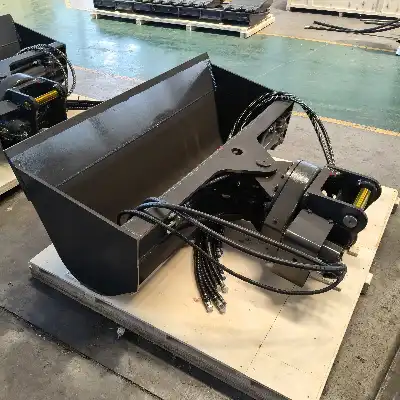
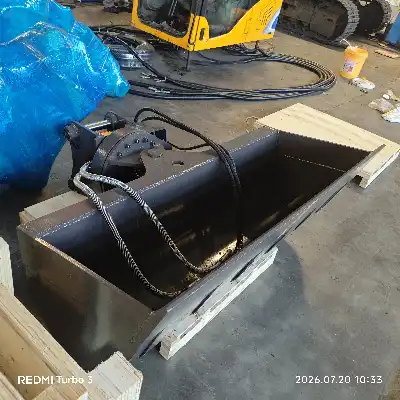
Every rotating tilt bucket is assembled in our own workshop in Jining, Shandong. The bucket body is cut, formed and welded in house, the rotary head is assembled to the body and the finished attachment is tested on the hydraulic circuit before dispatch. Because we manufacture rather than trade, the working width, the mounting dimensions and the bucket bottom type can be built to your carrier and your track conditions.

FAQ
Q1: Which excavator sizes do the two models suit?
A1: TNXZQXD75 is for 7–10 t carriers and TNXZQXD150 is for 13–15 t carriers. If your machine falls outside these ranges, send us the operating weight and we will advise.
Q2: What is the difference between the flat bottom and the grid bottom?
A2: The flat bottom carries and places ballast and forms the shoulder. The grid bottom screens as it digs, retaining oversize stone while the fines pass through, and is used where recovered ballast has to be separated on site. The two are not interchangeable for the same job.
Q3: What are the angle and rotation specifications?
A3: Both models rotate 360° and have a working angle of 40°.
Q4: What hydraulic flow and pressure does the bucket require?
A4: Both models are rated at 40 L/min and 12 MPa. Confirm your excavator's auxiliary circuit against these two figures before ordering.
Q5: Which track gauges are covered?
A5: Both models are built for 1000 mm, 1435 mm and 1520 mm track gauges.

YOU MAY LIKE
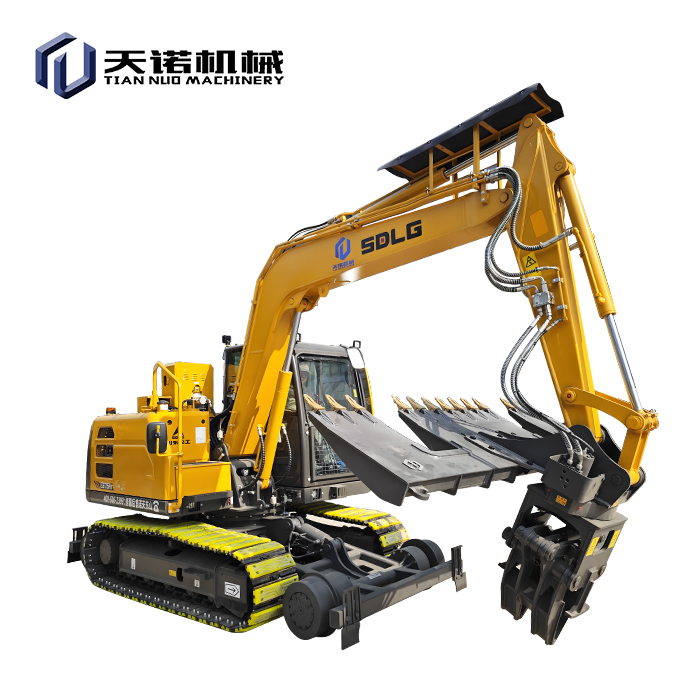 VIEW MORERailway Sleeper Changer
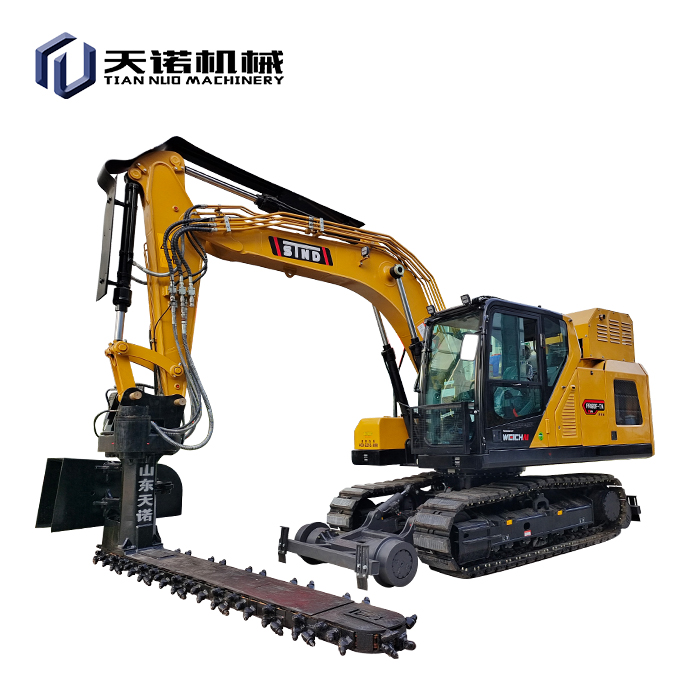 VIEW MOREBallast Blaster Undercutter
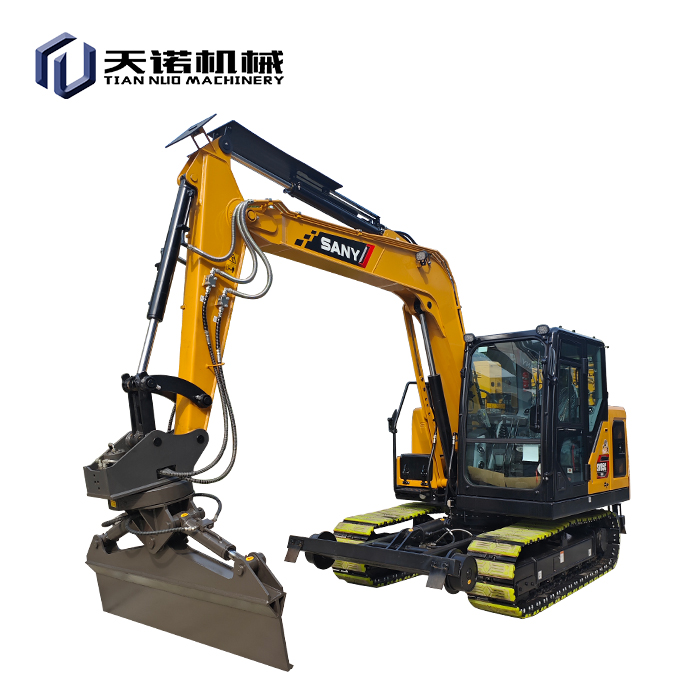 VIEW MOREExcavator Railway Slope Cleaning Machine
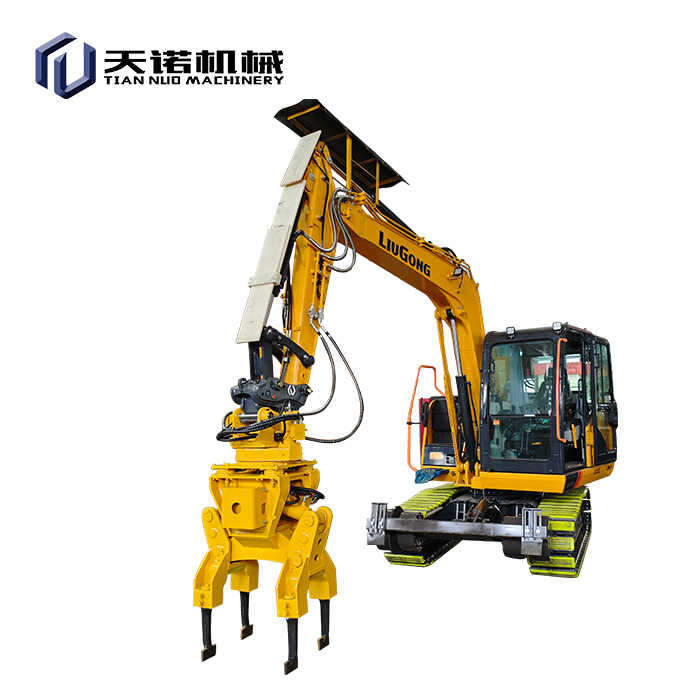 VIEW MOREHigh-vibration hydraulic ballast tamping machine
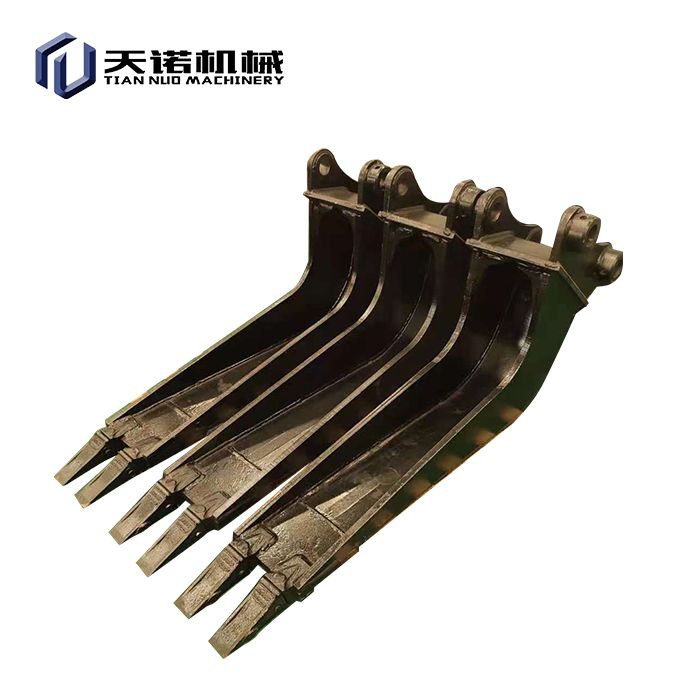 VIEW MOREExcavator Railway Ballast Cleaning Bucket
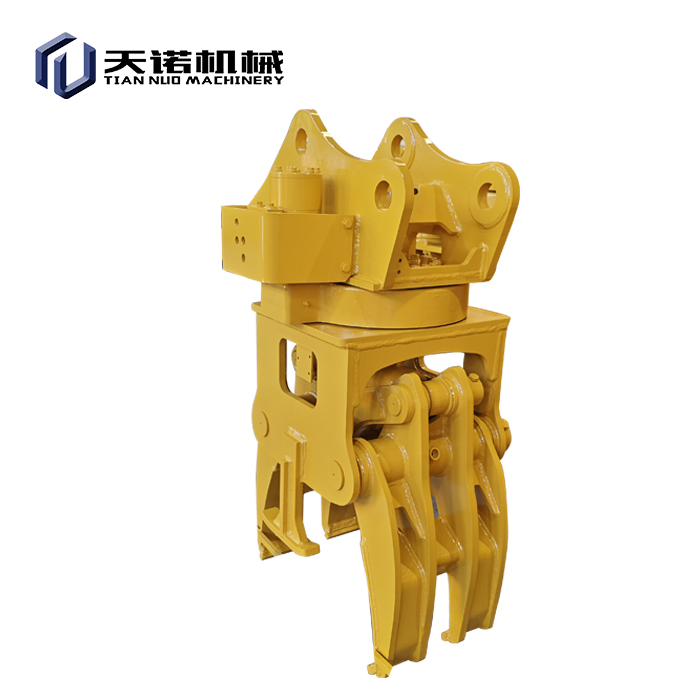 VIEW MOREExcavator Sleeper Clamp
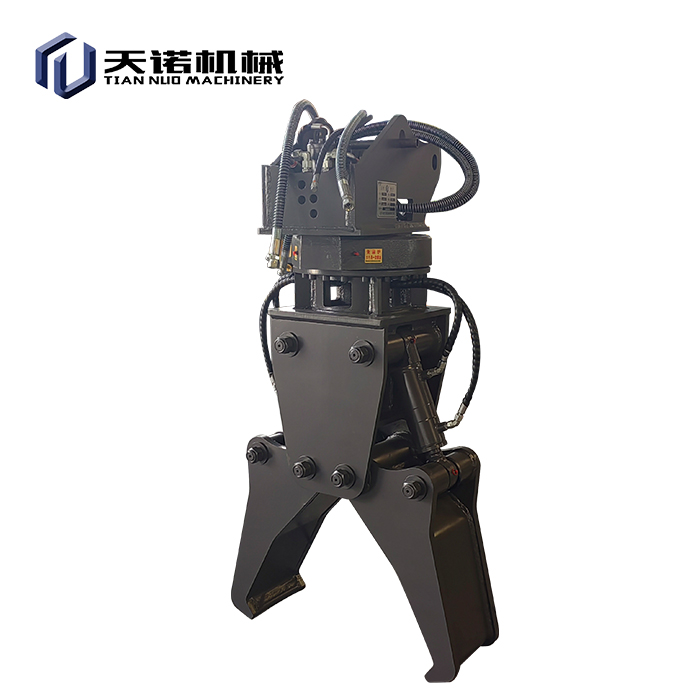 VIEW MOREExcavator Hydraulic Rail Clamp
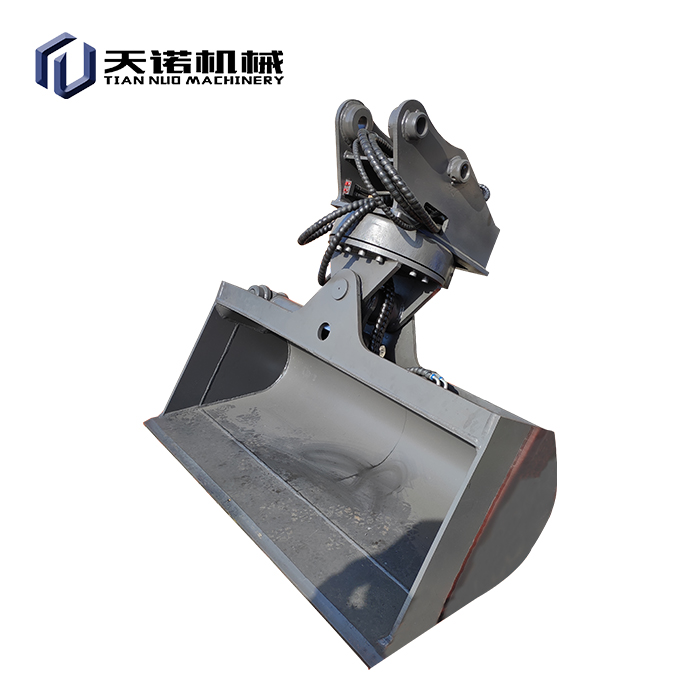 VIEW MOREDegree Rotating Hydraulic Tilt Ditching Bucket
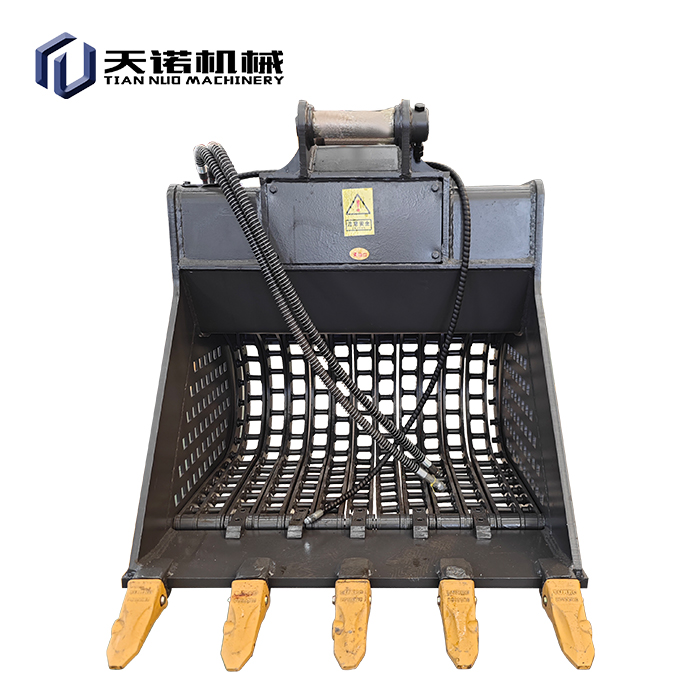 VIEW MOREExcavator Screening Bucket
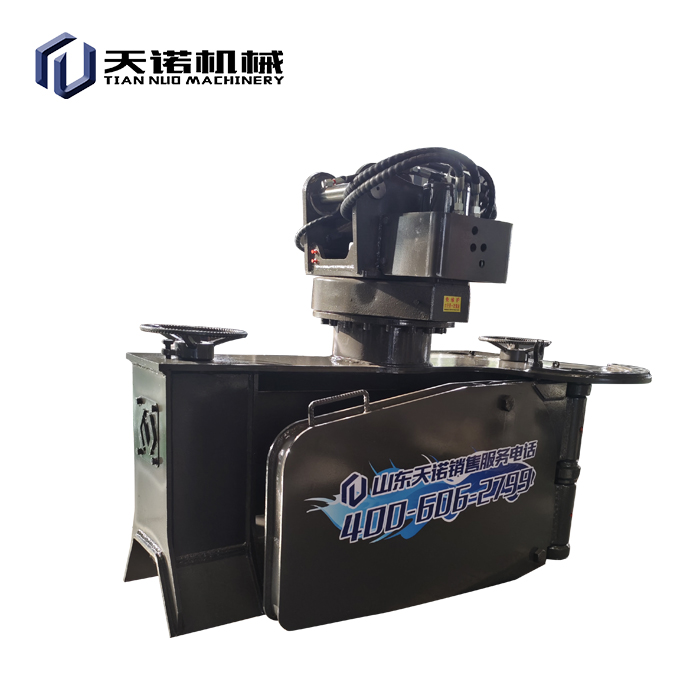 VIEW MORERailway Excavator Ballast Plow
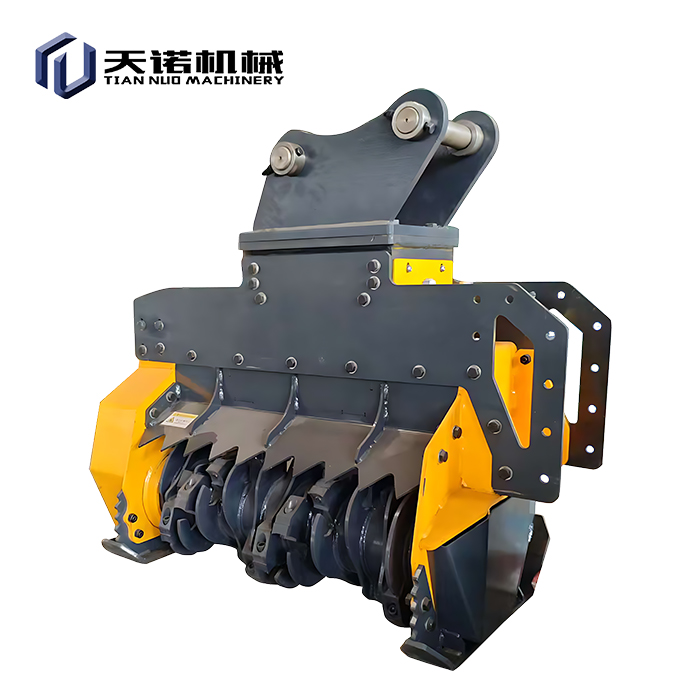 VIEW MOREExcavator Brush Cutter
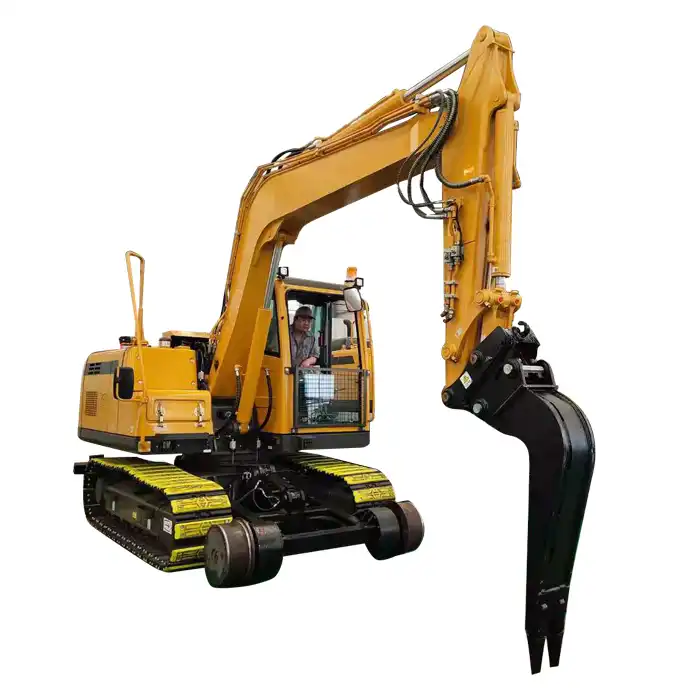 VIEW MORERailway Excavator Cleaning Bucket
 VIEW MORERail Track Trolley
 VIEW MOREBallast Scrapper
 VIEW MOREExcavator Lift Cab