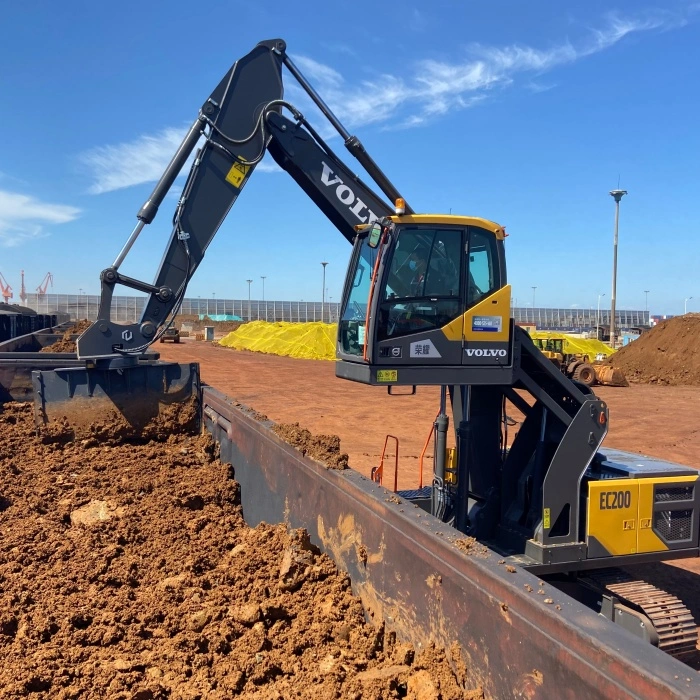

Height Adjustable Elevating Operator Cabin
The "Elevating" Choice for Construction Machinery: Elevating Cabins
An elevating cab is a configuration for construction machinery—such as excavators—designed to meet specific operational requirements. It incorporates a hydraulic lifting mechanism into the standard fixed cab design, allowing the cab to be raised or lowered flexibly based on operating conditions.
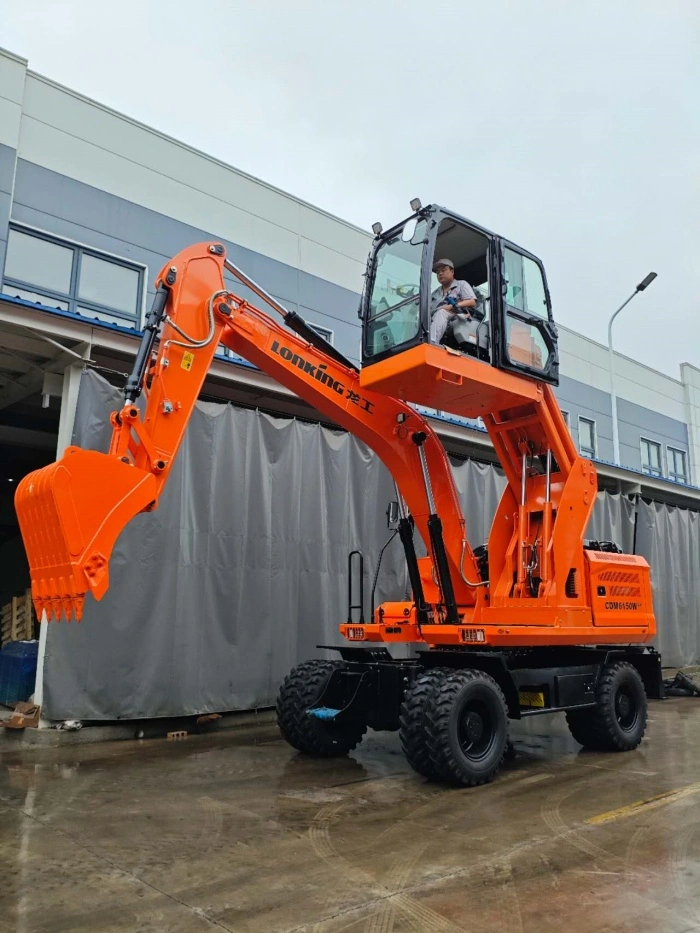
Key Features: Adjustable elevation and expansive visibility,The core of the elevating cab lies in a reliable hydraulic lifting system
Lifting Mechanism: Typically employs a hydraulically driven four-bar or three-bar linkage, ensuring smooth vertical movement and allowing for operation while suspended at any desired height.
Drive and Control: Powered by hydraulic cylinders, the lifting motion is precisely controlled by the operator via hydraulic or electronic systems.
Lifting Capability: The standard lifting height is typically 2.5 meters, though custom specifications are available. Taking an excavator as an example, elevating the cab allows the operator to achieve a line of sight at a height of approximately 4 to 5.5 meters.
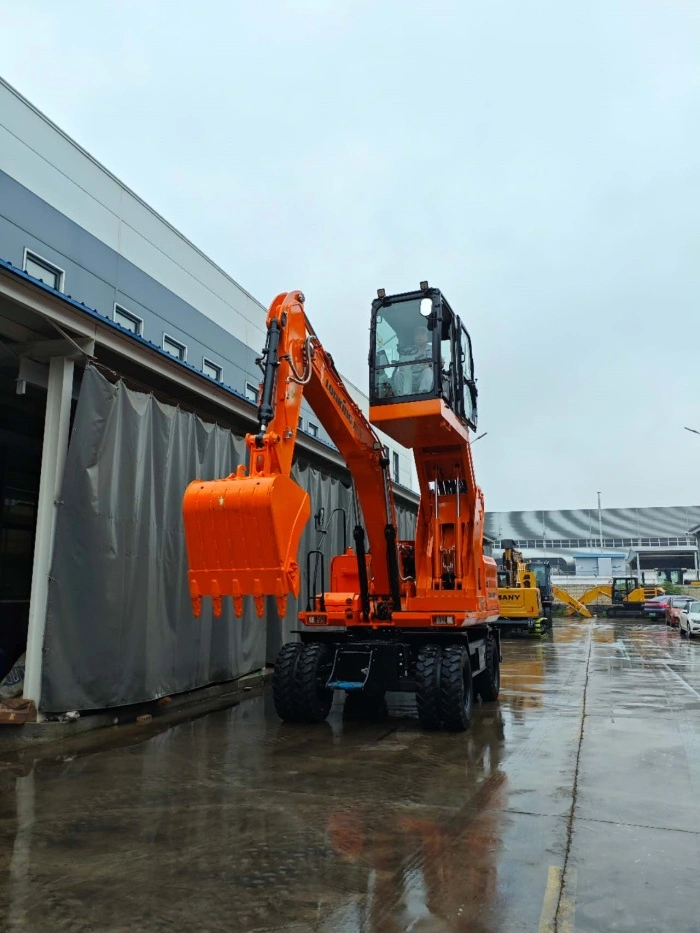
Key Advantages: Significant Improvements in Efficiency, Safety, and Comfort,Compared to traditional fixed cabs, elevating cabs offer distinct advantages: "Blind-spot-free" visibility: This is the primary advantage. Elevating the cab effectively eliminates blind spots, giving the operator a clear, comprehensive view of the work environment.
Soaring operational efficiency: An unobstructed view enables greater precision and reduces repetitive movements. Data indicates that operational efficiency can increase by over 30% as a result.
Guaranteed construction quality: Precise visibility allows the driver to better control movements—whether for precise unloading, leveling, or breaking—enabling seamless execution and ensuring quality right from the source.
Dual-layer safety assurance: Robust structure: The lifting mechanism is constructed from high-strength steel to ensure stability during operation.
Intelligent control: Equipped with safety devices such as buffer valves to effectively dampen the impact of lifting and lowering. Some systems also feature safety shut-off valves, ensuring the cab lowers safely even in the event of an unexpected engine shutdown.
Enhanced operator comfort: The smooth lifting process and user-friendly interface help reduce the operator's workload and fatigue.
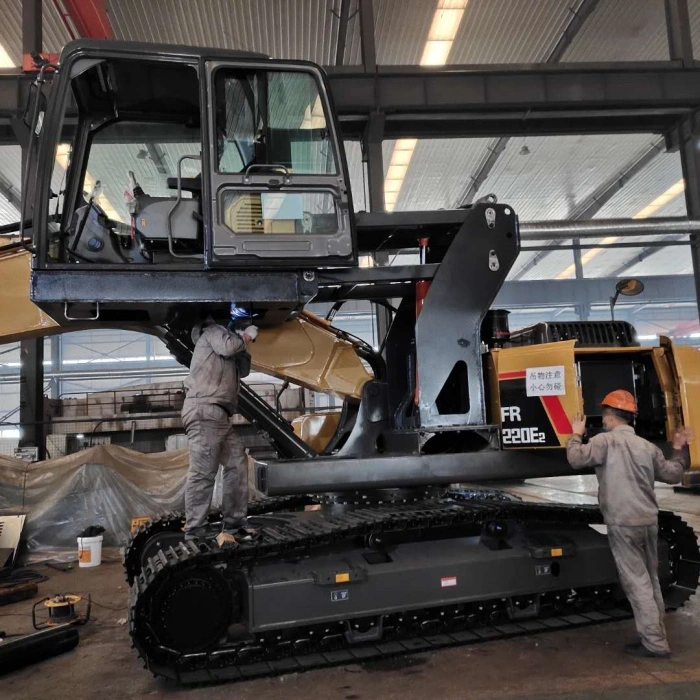
Application Scenarios: Designed for Complex Environments,The elevating cab is primarily used in operations requiring exceptional visibility, such as
Railways and Logistics: Originally developed for unloading coal from railcars, it is now widely used for leveling cargo within wagons; it offers a clear view of the load distribution, enabling precise loading, unloading, and leveling.
Ports and Terminals: During unloading operations, it provides an expansive field of view, significantly enhancing efficiency and precision.
Bulk Material Handling: Suitable for operations involving high stockpiles or elevated platforms, as well as tasks such as loading and unloading ores and logs at ports, or loading scrap metal at steel mills.