

Isn’t the Ballast Plough Railway Track’s “Ballast Shaping Expert”?
In railway track maintenance, the uniform distribution and neat profile of ballast in the track bed directly dictate track stability and train operational safety. As a core maintenance asset, the ballast regulator (commonly referred to as a ballast plough) is purpose-built for ballast profiling and consolidation, serving as an indispensable tool for new track construction and in-service track upkeep.
I. Core Positioning and Functional Value
The ballast plough is a specialized railway maintenance device. Outfitted with adjustable blades and profiling mechanisms, it enables precise ballast distribution, smooth contouring, and rapid reclamation. Its core value lies in mitigating ballast displacement and accumulation caused by prolonged train dynamic loading and environmental forces—preventing hazards like track instability and poor drainage. Additionally, it prepares the track bed for subsequent tamping and screening operations, extending the track’s overall service life.
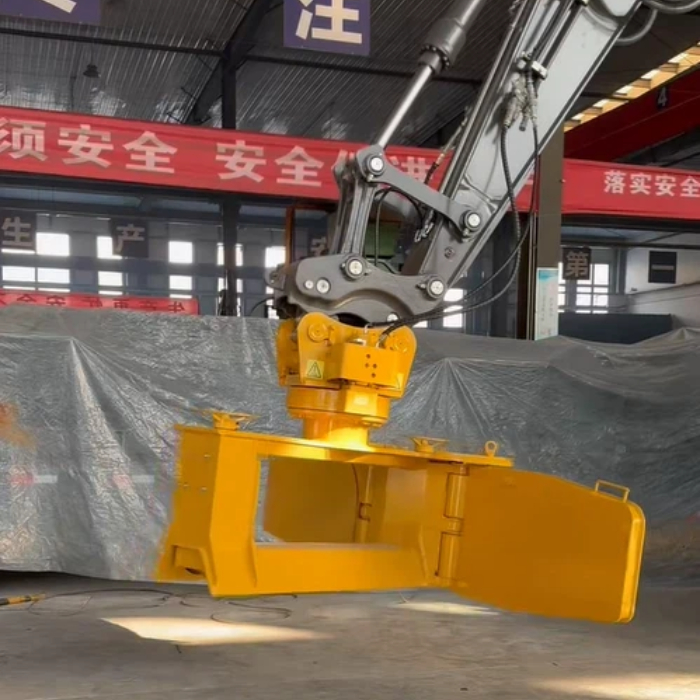
II. Core Advantages and Technical Features
1. High Operational Efficiency: Unlike labor-intensive manual ballast raking, the ballast plough drastically cuts down on work duration, seamlessly aligning with the constrained timelines of railway maintenance windows (the industry-standard term for “sky slots”) and significantly boosting maintenance productivity.
2.Precision Control: Equipped with independently adjustable blades and profiling systems, it can flexibly modify working angles and widths to accommodate 1435mm standard gauge and other special gauge requirements, ensuring uniform and compliant ballast placement.
3. Multifunctional Capabilities: Beyond core ballast profiling, some models integrate auxiliary features—such as rotary brushes to clear residual ballast from sleeper surfaces—facilitating sleeper condition inspections and fastener maintenance.
4. Durability & Versatility: Constructed from heavy-gauge steel and high-strength alloy materials, it withstands high-load, dusty railway work environments. It is also compatible with various host equipment, including excavators and purpose-built track maintenance vehicles(replacing “specialized maintenance trains” for broader applicability).
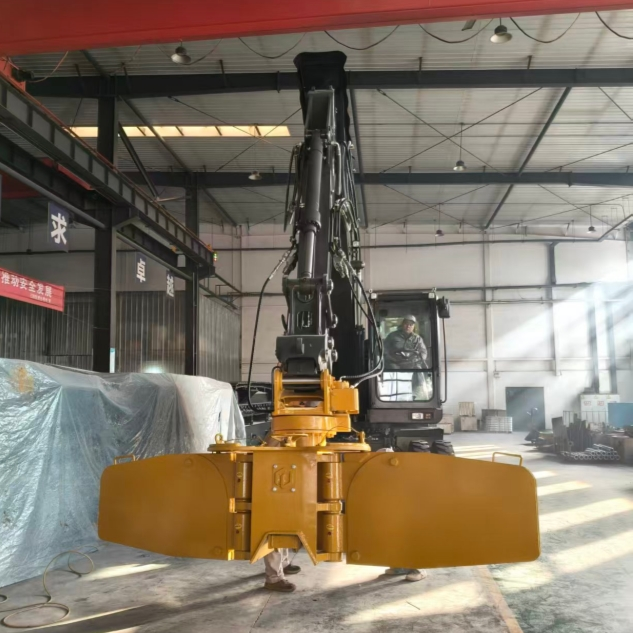
III. Typical Application Scenarios
1. Bllast Profiling for New Track Construction: Post-track-laying, newly placed ballast is evenly spread and contoured to form a code-compliant track bed structure, providing a robust foundation for track installation.
2. Routine Maintenance of In-Service Tracks: Before and after track tamping and screening operations, the ballast shape is adjusted to restore the elasticity and load-bearing capacity of the track bed; for key areas such as turnouts, displaced ballast is precisely gathered to ensure stable equipment operation.
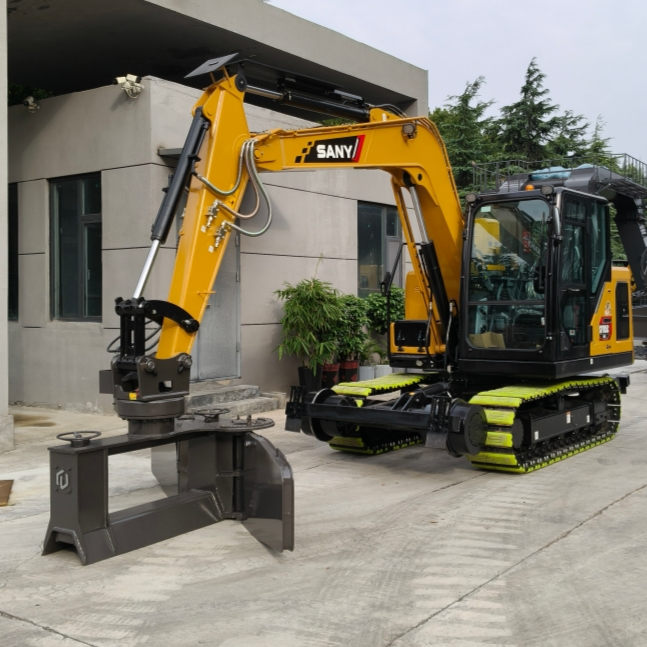
3. Emergency Response Operations: Following severe weather (such as, rain, snow, high winds), scattered or washed-out ballast is quickly consolidated to restore line operability; post-local track repairs, the track bed is promptly leveled to minimize line outage duration.
4.Large-Scale Track Upgrades: During track reconstruction or modernization projects, newly laid ballast is systematically profiled to meet design specifications, enhancing overall track smoothness.
IV. Synergy with the Maintenance Ecosystem The ballast regulator is not a standalone asset but a critical component of the railway maintenance ecosystem. In practice, it is often paired with equipment like tamping machines and ballast cleaners (standard terms for “tampers” and “screeners”): after the ballast cleaner removes contaminants from the ballast, the regulator spreads it uniformly; post-tamping (when the tamping machine compacts the track substructure), the regulator trims the track bed contour—forming a complete maintenance workflow of “cleaning-profiling-tamping-reshaping” to optimize track performance. From track bed construction for new railways to routine upkeep of operational lines, the ballast regulator—with its efficient, precise operation—has become a standardized asset in railway maintenance. Selecting a suitable ballast regulator reduces maintenance costs, enhances track safety margins, and underpins reliable,efficient railway operations.