

Railway sleeper replacement "special forces": A complete look at track excavators
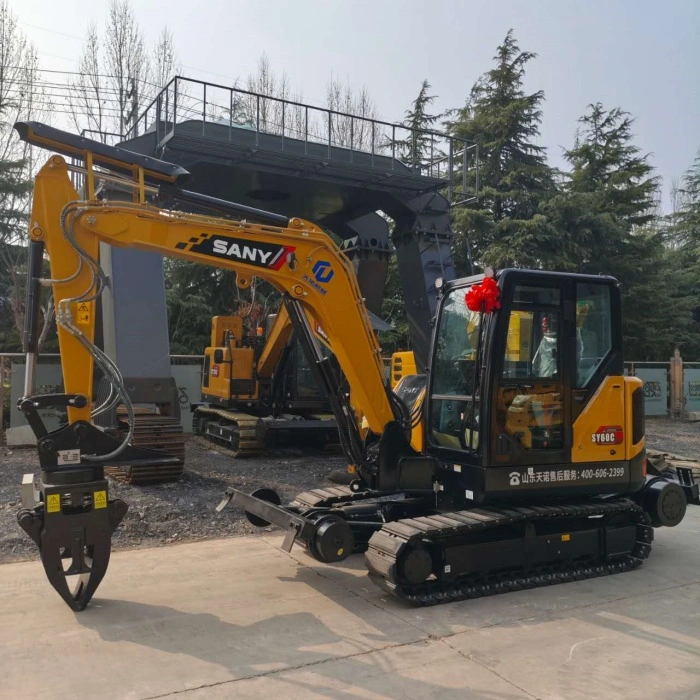
Railway track excavators, typically referring to dual-purpose road and rail excavators or rail-mounted excavators, are specialized engineering machines designed or modified to operate on both conventional roads and railway tracks. They are primarily used to replace traditional manual labor, efficiently and safely completing railway construction and maintenance tasks.

Main Types and Characteristics
These devices are mainly divided into two types:
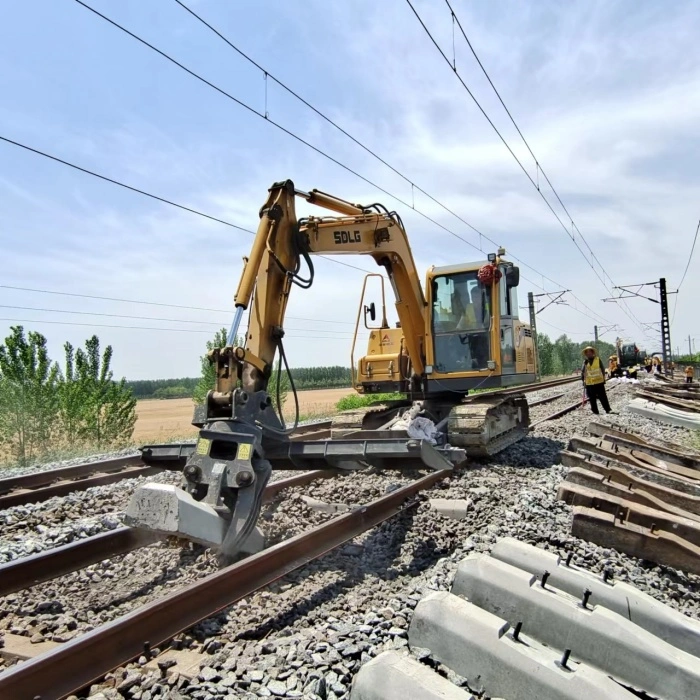
Motor/Road Dual-Purpose (with Rail Wheels):Steel guide wheels and a hydraulic system are added to a standard tracked excavator. The advantage is that it combines road/off-road capability with rail travel capability, making it multi-purpose; during operation, the rail wheels bear the weight and move, avoiding damage to the track bed from the tracks.
Dedicated Rail Chassis:Completely adopts a wheeled rail chassis design, optimized for railway working conditions, resulting in more professional performance. The advantages are higher operating efficiency, safety, and comfort
Core Application Scenarios
Sleeper Replacement: This is one of the most crucial applications. Equipped with ballast removers and sleeper clamps, the equipment can quickly remove ballast, clamp, and replace concrete sleepers weighing up to 800 catties, achieving an efficiency 20 to 50 times that of manual labor.
Battery Bed Maintenance and Screening: Used for cleaning, screening, and replenishing ballast, maintaining the elasticity and drainage of the track bed.
Emergency Track Repair: Enables rapid arrival at accident sites for earthwork clearing, component hoisting, and other operations.
Other Operations: Can also be used to clear silt from drainage ditches along railway lines, excavate cable trenches, and perform construction work inside tunnels.
Website: www.stnd-machinery.com
Email: arm@stnd-machinery.com