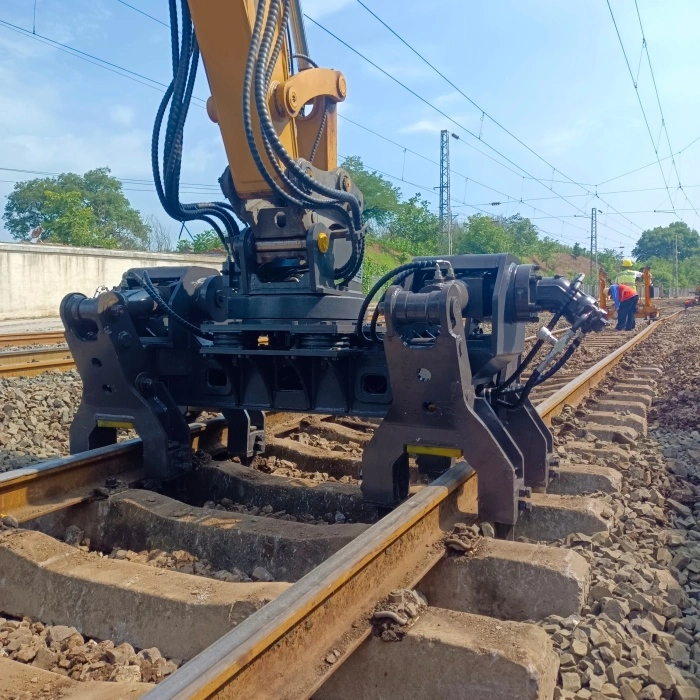

Tamping machines are like the "muscle and bone" engineers of railway lines.
The main function of a tamping machine is to rearrange and compact the railway ballast through vibration, impact, or clamping, thereby eliminating defects in the railway line, making the track more stable and smooth, and ensuring the safety and comfort of train operation.
How do tamping machines work?
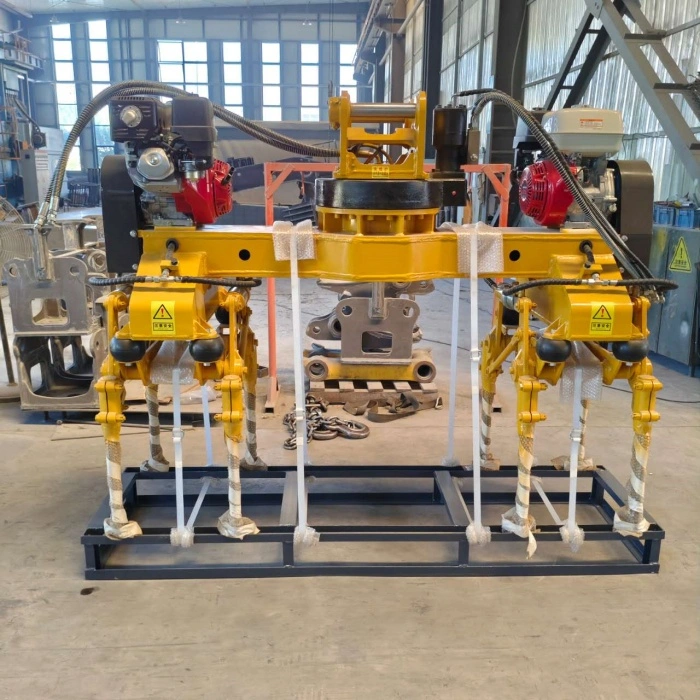
Regardless of size, the basic working principle of tamping machines is similar. The core is to compact the ballast bed through "insertion" and "vibration":
1. Insertion: The tamping device's picks are inserted into the ballast between the sleepers, typically to a depth below the bottom of the sleeper, ensuring that the ballast at the bottom of the sleeper is also compacted.
2. Vibration and Compaction: The picks generate high-frequency vibrations inside the ballast, reducing the frictional resistance between loose ballast particles, almost creating a "flowing" state. Then, pairs of picks clamp together, rearranging the flowing ballast and pushing it into the gaps at the bottom of the sleepers, making it compact and solid.
3. Effects: After tamping, the track's load-bearing capacity is improved, effectively reducing the "swaying" phenomenon when trains pass, ensuring the smoothness and safety of the line.
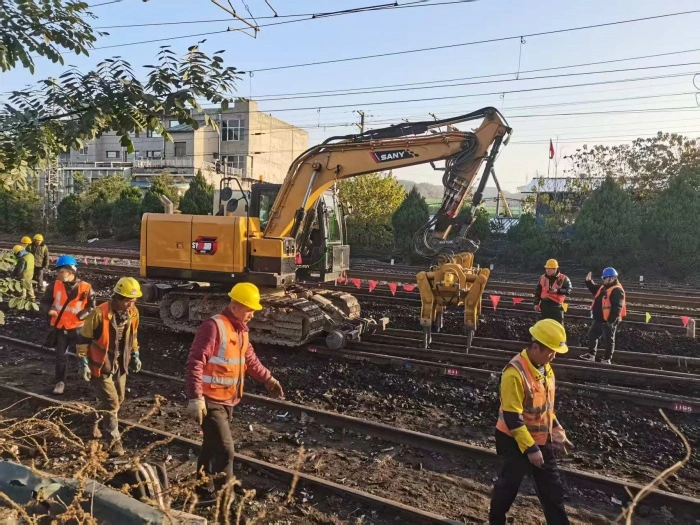
The advantages of tamping machines are very prominent, mainly in terms of high operating efficiency, good maintenance quality, high degree of intelligence, and strong safety performance. They are gradually replacing traditional manual operations and becoming the core equipment for modern railway maintenance.