

The Essential Guide to Railway Center Ballast Scraper: Optimizing Track Maintenance Efficiency
What is a Railway Center Ballast Scraper?
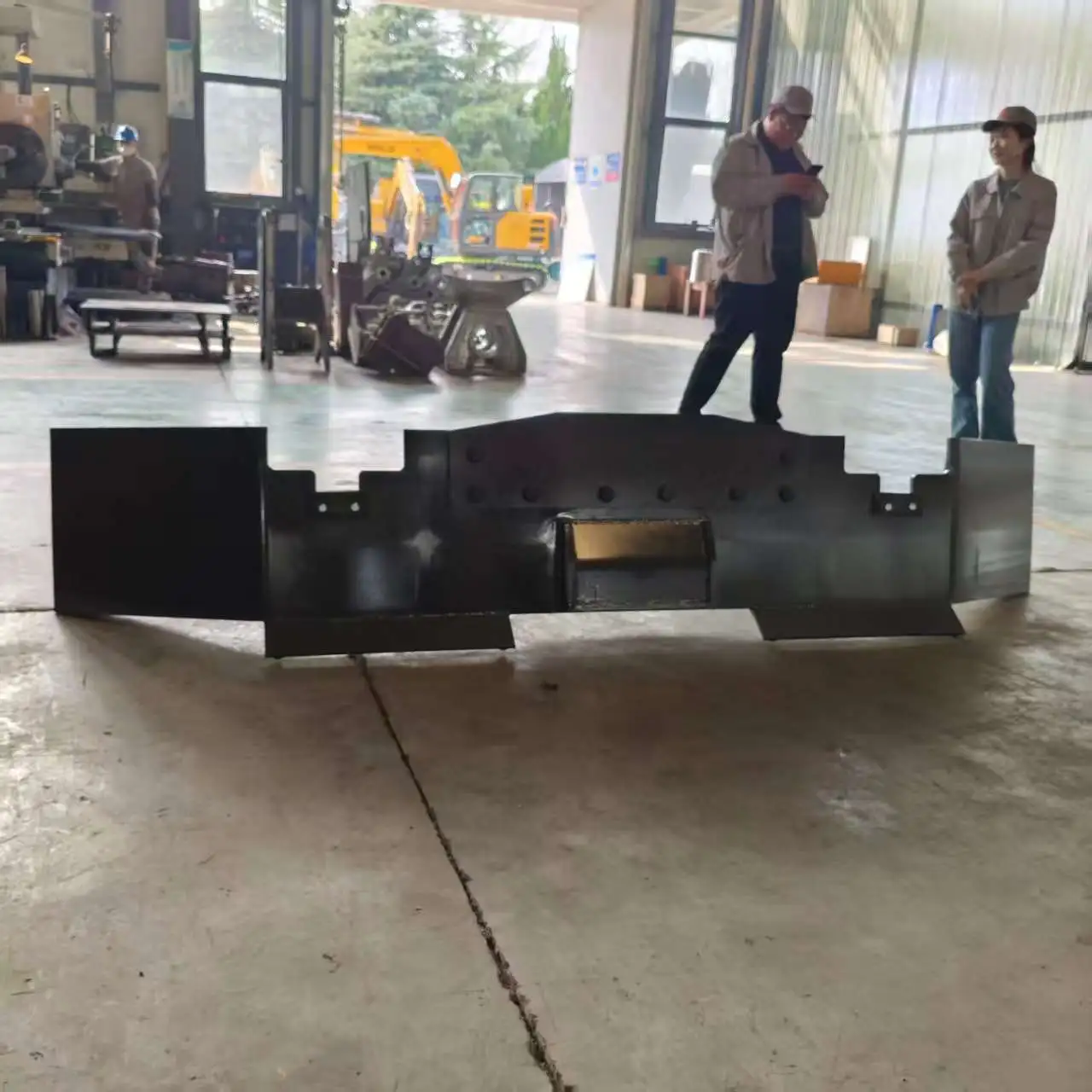
A Railway Center Ballast Scraper (also known as a center scraper blade, flanger blade, or track scraper attachment) is a specialized maintenance-of-way (MOW) attachment designed for railway excavators and track maintenance vehicles. Unlike traditional digging buckets or scarifiers that break up compacted ballast, a scraper is specifically engineered to collect, level, and redistribute ballast material within the track center and shoulder areas-2.
The center scraper attachment is typically mounted in front of or between the tracks of a hi-rail excavator. It works by scraping along the ballast surface, removing excess material from high spots and depositing it into low areas. This process, known as "ballast profiling" or "ballast regulation," is critical for maintaining proper track geometry and drainage-2.
How Does a Center Scraper Attachment Work?
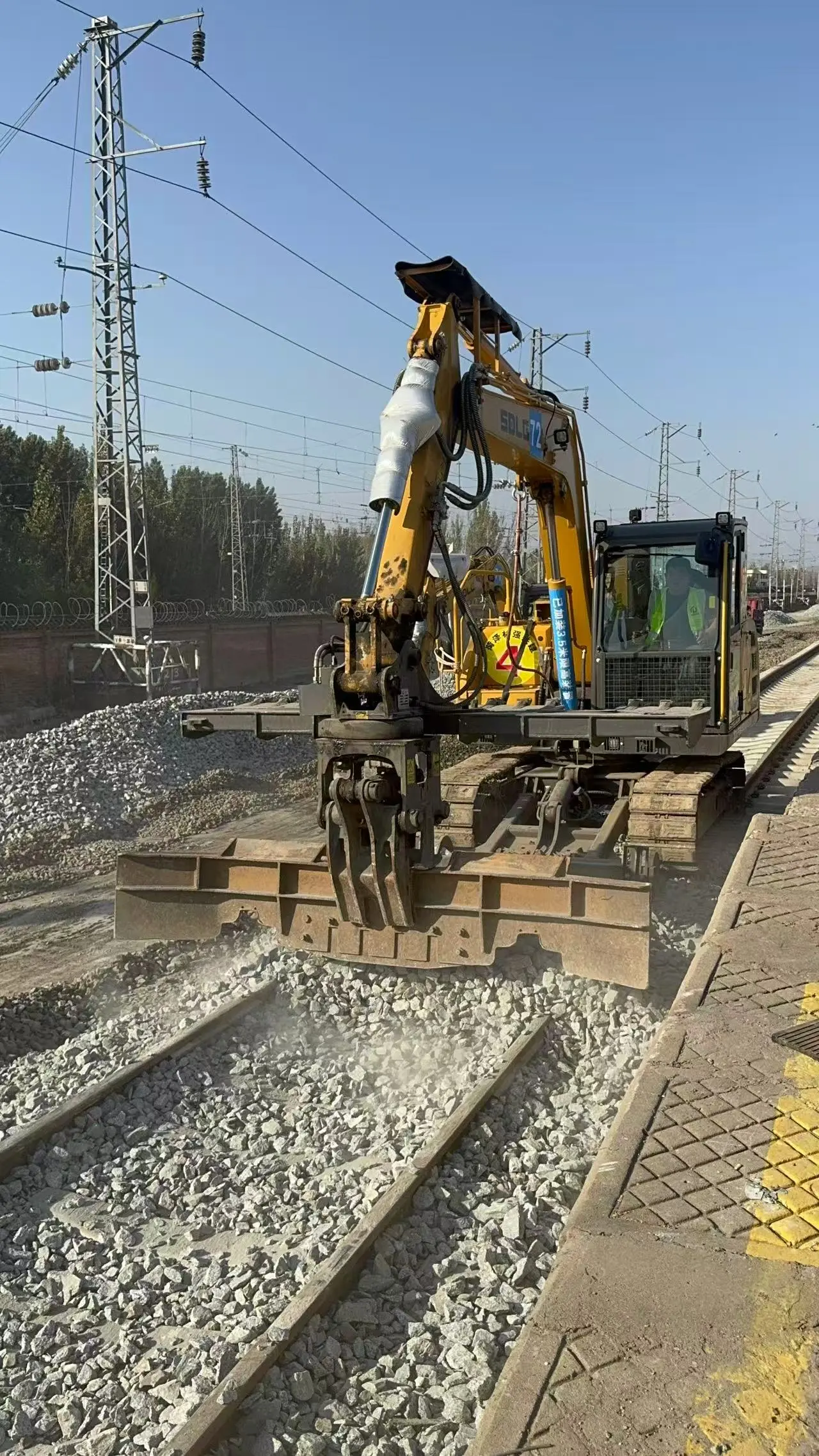
When integrated into a rail excavation system (such as an SDLG 75 hi-rail excavator), the center scraper attachment operates using the following mechanism:
Track Guidance: The scraper assembly rides along the rails via guide wheels or a rail bogie system, ensuring precise alignment with the track center-2.
Scraping Action: The blade—often made from high-wear resistant steel—contacts the ballast surface, scraping excess material from the crib area (the space between railroad ties).
Material Redistribution: As the machine moves forward, the angled scraper blades channel loose ballast material, pushing it either toward the track center or toward the shoulders, depending on the blade configuration.
Profiling: The result is a uniform, level ballast surface that meets railway engineering standards for tie support and drainage-2.
Key distinction from scarifiers:
Scarifier = breaks up compacted ballast (penetration)
Scraper = collects and levels loose ballast (surface profiling)
In many railway maintenance sequences, the scarifier loosens the compacted material first, then the scraper follows to level and shape the ballast profile.
Key Functions of a Ballast Scraper in Track Maintenance
Implementing a center ballast scraper in your MOW operations delivers several measurable benefits:
1. Ballast Profiling & Shoulder Shaping
The primary function of a center scraper is to restore the correct ballast shoulder profile. After tamping or tie replacement operations, ballast often becomes uneven. The scraper redistributes material to rebuild the shoulder, which provides lateral resistance to prevent track shifting under heavy loads-2.
2. Center Ditch Cleaning
The area between the rails (the "center ditch") tends to accumulate fine particles, mud, and debris that impede drainage. A properly designed center scraper clears this material, maintaining the center ditch depth for water flow.
3. Preparation for Tie Replacement
When replacing railroad ties, the ballast bed must be properly leveled before the new tie can be seated. The scraper attachment quickly levels the ballast to the correct elevation, ensuring ties sit flat and secure without manual labor.
4. Post-Tamping Finishing
After tamping machines compact the ballast under ties, the surface often has "divots" or uneven spots. A center scraper provides the finishing pass, leveling the ballast to final grade.
5. Reducing Manual Labor
Traditional ballast leveling required crews with shovels and rakes. A mechanized scraper attachment allows one operator to complete the job in a fraction of the time, significantly reducing labor costs and improving worker safety by keeping personnel off the active track.
Why Choose Our Custom Center Scraper Attachments?
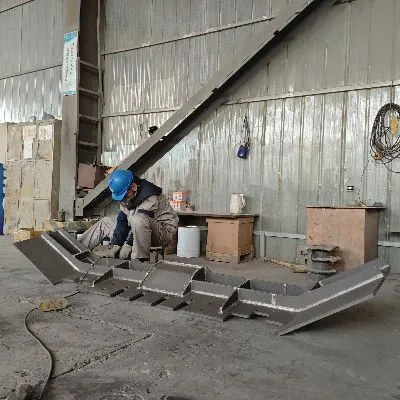
As a specialized manufacturer of railway MOW attachments, we understand the unique demands of track maintenance. Our Railway Center Ballast Scrapers are designed with:
Wear-resistant blades that stand up to abrasive granite and slag ballast
Rail-guided alignment for precise scraping between ties
Quick-change blade segments for reduced downtime during replacement
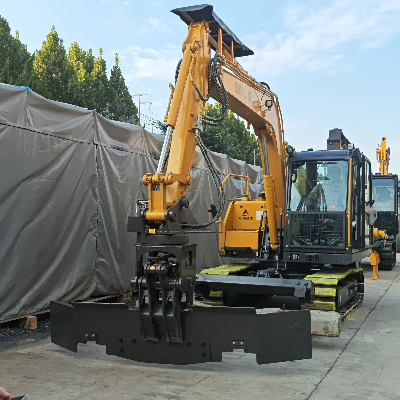
Compatibility with SDLG 75, CAT 305–308, Hitachi ZX75–85, and other hi-rail excavators
OEM customization available for specific track gauges and carrier machines
Conclusion
The Railway Center Ballast Scraper is an essential attachment for any track maintenance fleet. While scarifiers break up compacted ballast, scrapers finish the job—leveling, profiling, and shaping the ballast to restore proper track geometry and drainage. By integrating both tools into your MOW workflow, you maximize efficiency and ensure railway standards compliance.
Ready to upgrade your track maintenance fleet?
Contact us today for a quote on our Railway Center Ballast Scraper Attachments. Ask about our custom blade designs for SDLG 75 excavators and other hi-rail machinery.