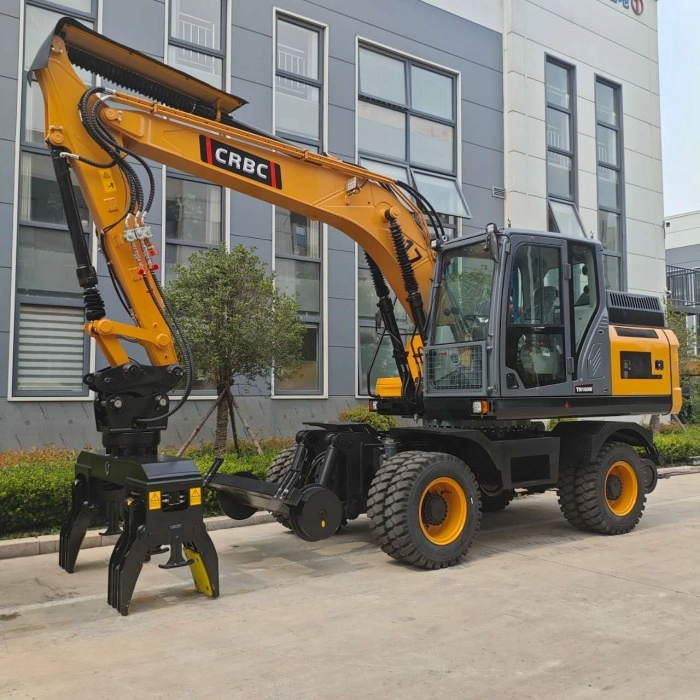

The wheeled railway tie-changing machine is a versatile piece of equipment designed specifically for railway maintenance.
The wheeled railway sleeper changer is a piece of machinery specifically designed for railway maintenance; its core function is the efficient replacement of concrete or wooden sleepers, largely replacing traditional manual labor.
Core Functions: Sleeper Replacement and Ballast Bed Maintenance
The primary task of a sleeper replacement machine is to replace aged, damaged, or defective sleepers, thereby ensuring railway operational safety. It performs a complex sequence of actions mechanically—going far beyond simple "gripping":
Ballast Excavation: Using a specialized "ballast clearing plate" attachment, the machine clears away ballast (crushed stone) from the ends and underside of the sleeper, creating space for the new one.
Old Sleeper Extraction: Powerful gripping and pulling mechanisms extract the old sleeper—weighing hundreds of kilograms—laterally from beneath the rails.
Cleaning and Installation: After clearing the ballast bed, the machine precisely inserts the new sleeper beneath the rails and positions it correctly.
Ballast Backfilling: Finally, the ballast is backfilled and roughly leveled, completing the full replacemen
Key Features: Road-Rail Capability and Specialized Attachments
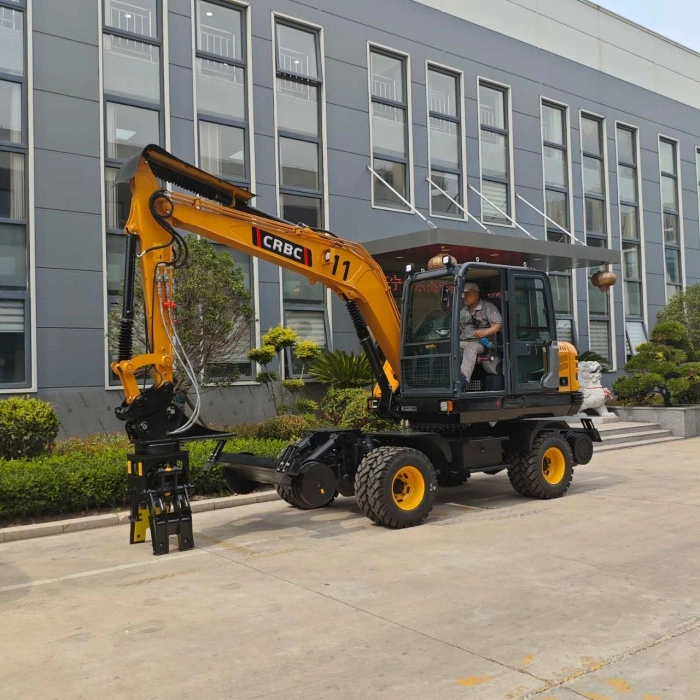
The wheeled sleeper-changing machine features a highly targeted design, characterized primarily by two key aspects:
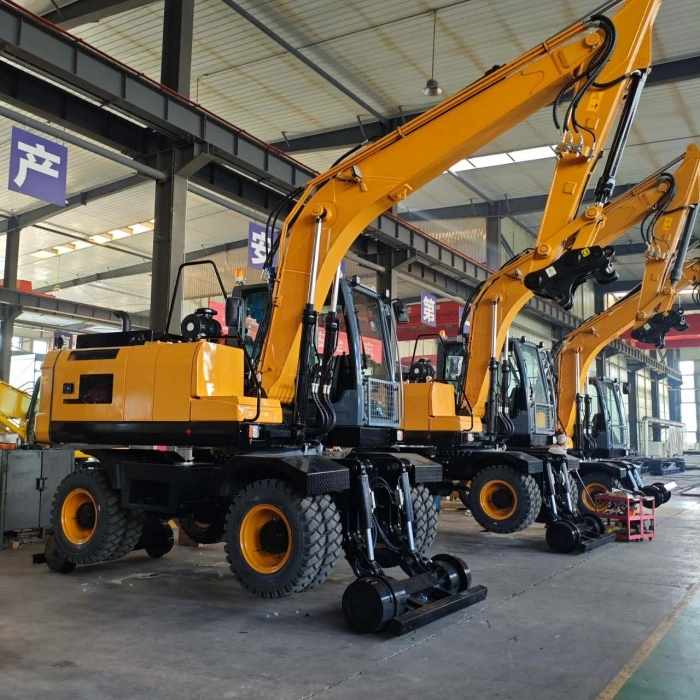
Road-Rail Dual-Mode Mobility System: This is its most distinctive feature. It is equipped with both rubber tires for road travel and steel guide wheels for rail travel, allowing it to move quickly and safely along standard-gauge tracks (e.g., 1435mm) while enabling flexible switching between the two modes.
Specialized Multi-Functional Attachments: Far from being a standard excavator, this machine is equipped with specialized tools designed specifically for sleeper replacement operations—such as a 360-degree rotating sleeper gripper and a rake bucket or ballast-clearing blade for ballast removal and leveling—enabling precise movements ranging from gripping to rotation.
Key Advantages: Efficiency, Safety, and Cost-Savings
Compared to traditional manual methods, it offers overwhelming advantages:
High Efficiency: This is its primary advantage. A single railway tie can be replaced in as little as 40 seconds, with an operational efficiency 20 to 50 times that of manual labor. This is crucial for railway "track access windows" (scheduled maintenance periods), where time is at a premium.
Significantly Reduced Labor Intensity: It transforms strenuous physical tasks—previously requiring three or four workers using crowbars and ropes—into simple mechanical operations, thereby improving working conditions for the crew.
Enhanced Safety and Precision: The equipment is typically equipped with a rail-locking mechanism that secures it firmly to the track during operation, preventing accidental slippage. Mechanized gripping and traction provide greater stability and positioning accuracy than manual methods, helping to avoid damage to the rails and track infrastructure.
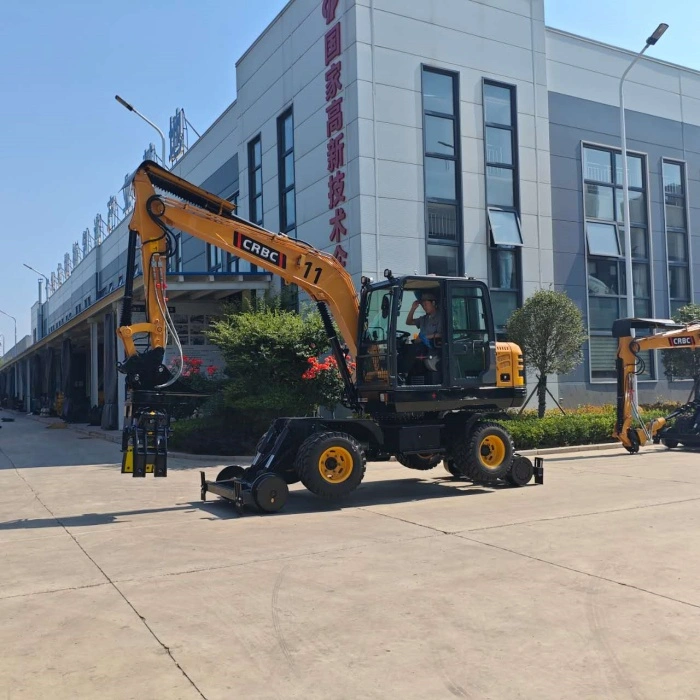
High Mobility and Flexibility: Its road-rail dual-mode design allows for rapid relocation; it can travel by road to the vicinity of the work site and then move and operate quickly on the tracks, eliminating the need for large towing vehicles.