
Top-Rated Excavator Lift Cab Modification: 2.5 m of Height on Demand vs a Permanently Raised Cab
Every operator who works a high face, a hopper, a trench edge or a railway formation from below knows the same problem. The work is in front of the machine, but the sight line is not. The boom foot, the counterweight and the cab pillar sit exactly where the eye needs to be, so the job is done by feel, by radio and by a banksman standing in a place nobody wants to stand.
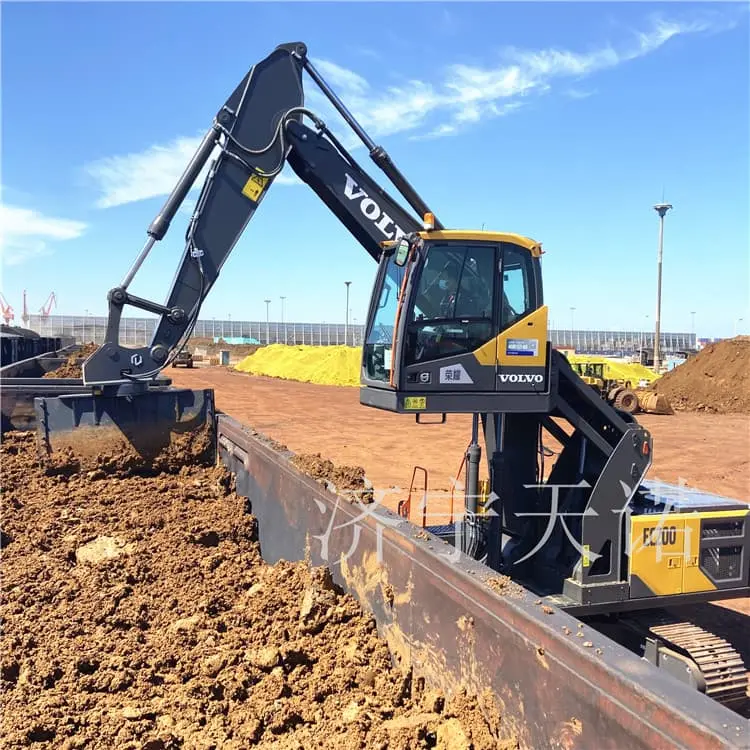
The usual answer is a permanently raised cab or a fabricated heightening column. It works — until the machine has to travel, load onto a lowbed or work on a slope, at which point the height that solved the visibility problem becomes the stability problem.
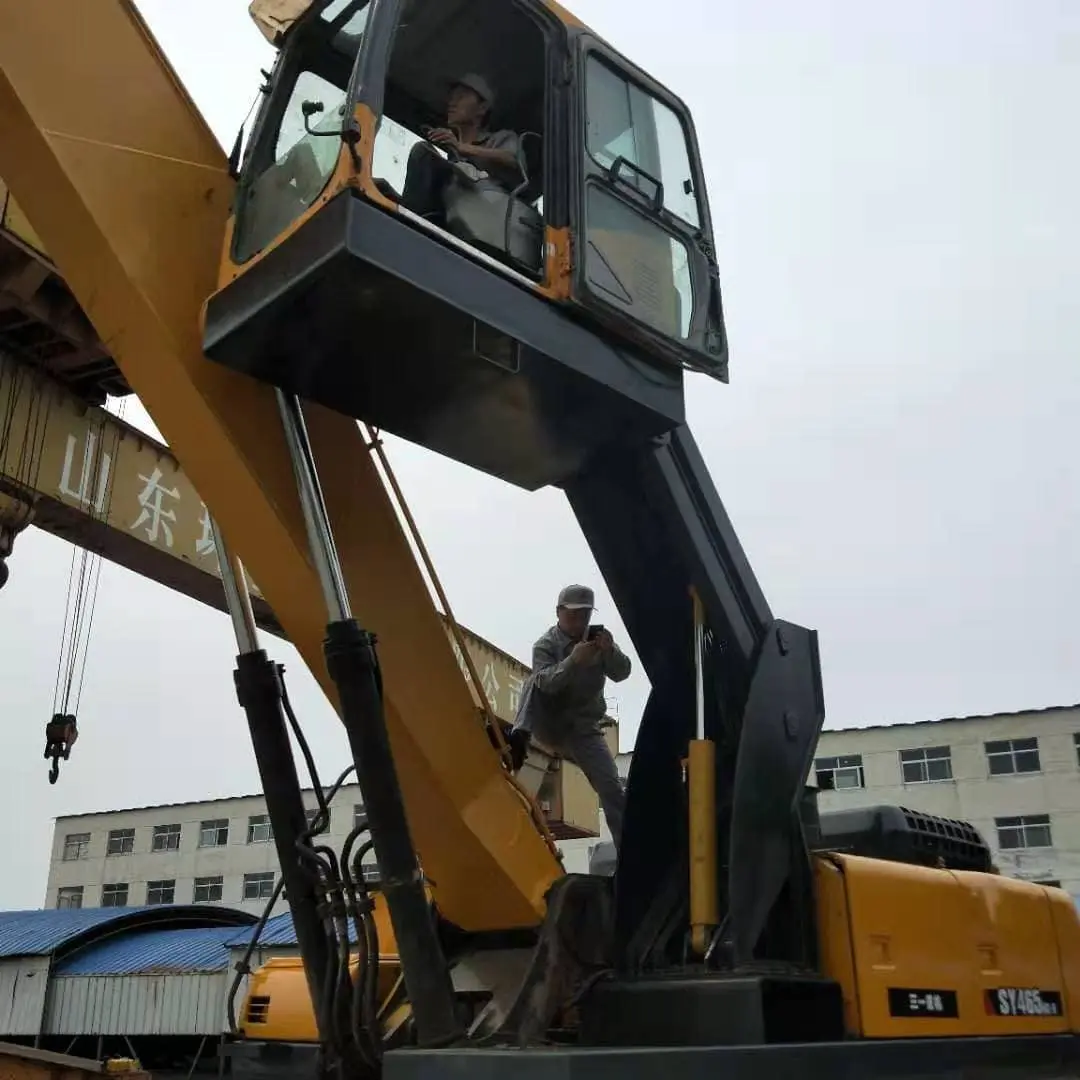
A lift cab modification resolves both. The cab rides on its own auxiliary chassis, driven by a hydraulic cylinder, and that chassis is coupled to the machine through a rotating mechanism. Raise it when the sight line matters. Lower it when the centre of gravity matters. The operator decides, from the seat, in the same shift.
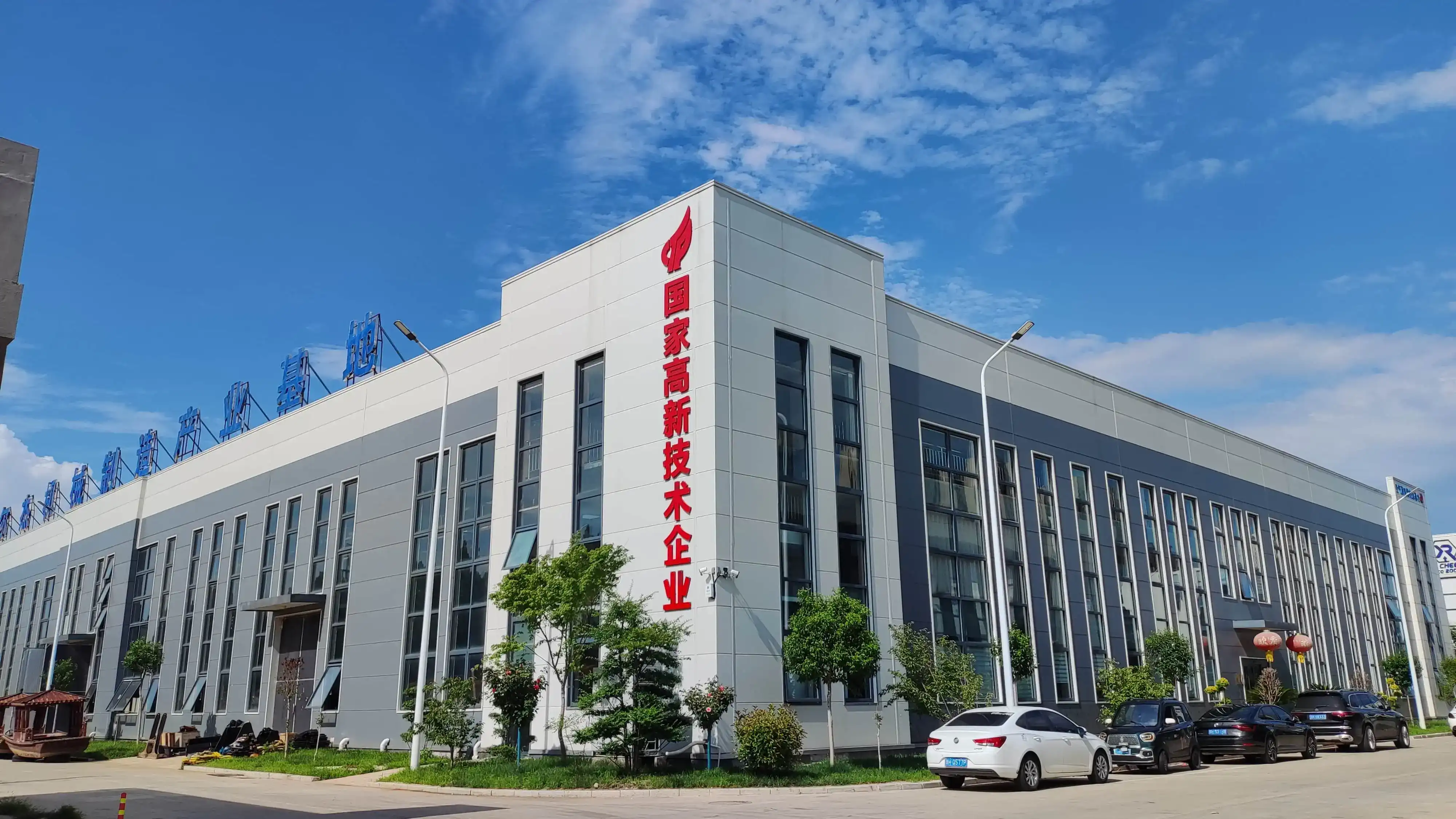
Built by Tiannuo Machinery in Jining, Shandong — a source factory with more than 14 years in excavator modifications, attachments and railway maintenance equipment, covering machines from 13 to 50 tonnes.
What Is an Excavator Lift Cab Modification?
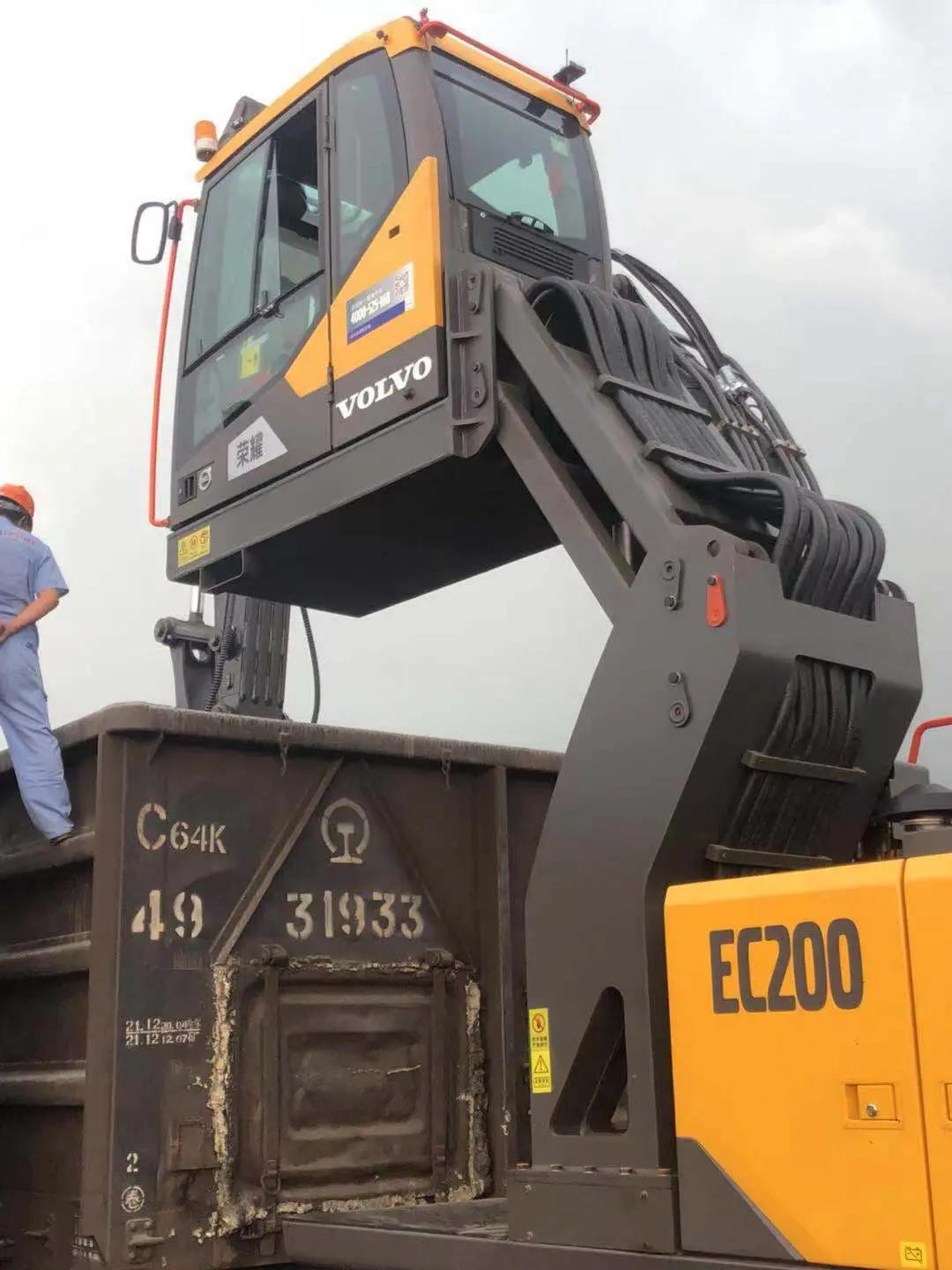
It is a structural modification in which the original cab is separated from the machine deck and re-mounted on an auxiliary chassis carried by hydraulic cylinders, with that chassis connected to the excavator frame through a rotating mechanism. The result is a cab whose height is a controlled variable rather than a fixed dimension.
The working logic is straightforward. When the cab is not high enough and the view is blocked, the operator extends the cylinder to raise the cab and widen the field of vision. When the blocked condition is gone, the cylinder retracts, the cab comes down, the centre of gravity drops and the machine travels safely.
Unlike an attachment, this is engineering performed on the carrier itself. Cab structure, hydraulic supply, mounting geometry and the machine’s own load case all have to be assessed together — which is why it belongs with a factory that builds it, not with a fabrication shop that copies it.
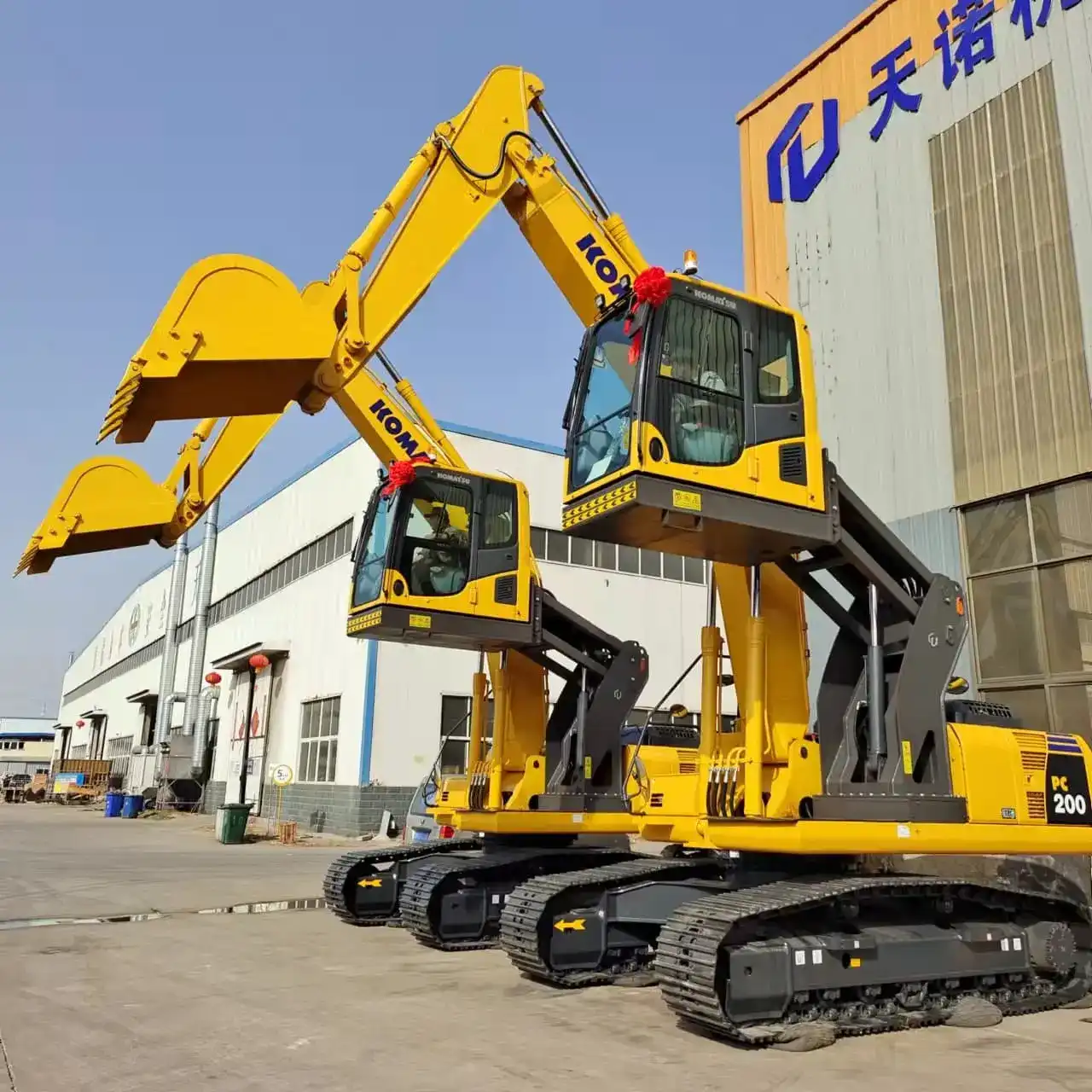
Lift Cab vs Fixed Raised Cab vs Standard Cab: The Difference That Pays
Three ways to solve a blocked sight line. Only one of them stops being a compromise when the machine starts moving.
A standard cab — the sight line is whatever the machine was designed with. Visibility is solved by moving the excavator, by positioning a banksman, or not solved at all
A fixed raised cab or heightening column — height is permanent. Visibility improves but never becomes selective: transport height, overhead clearance and the raised centre of gravity are paid for on every shift, including the shifts that never needed the height
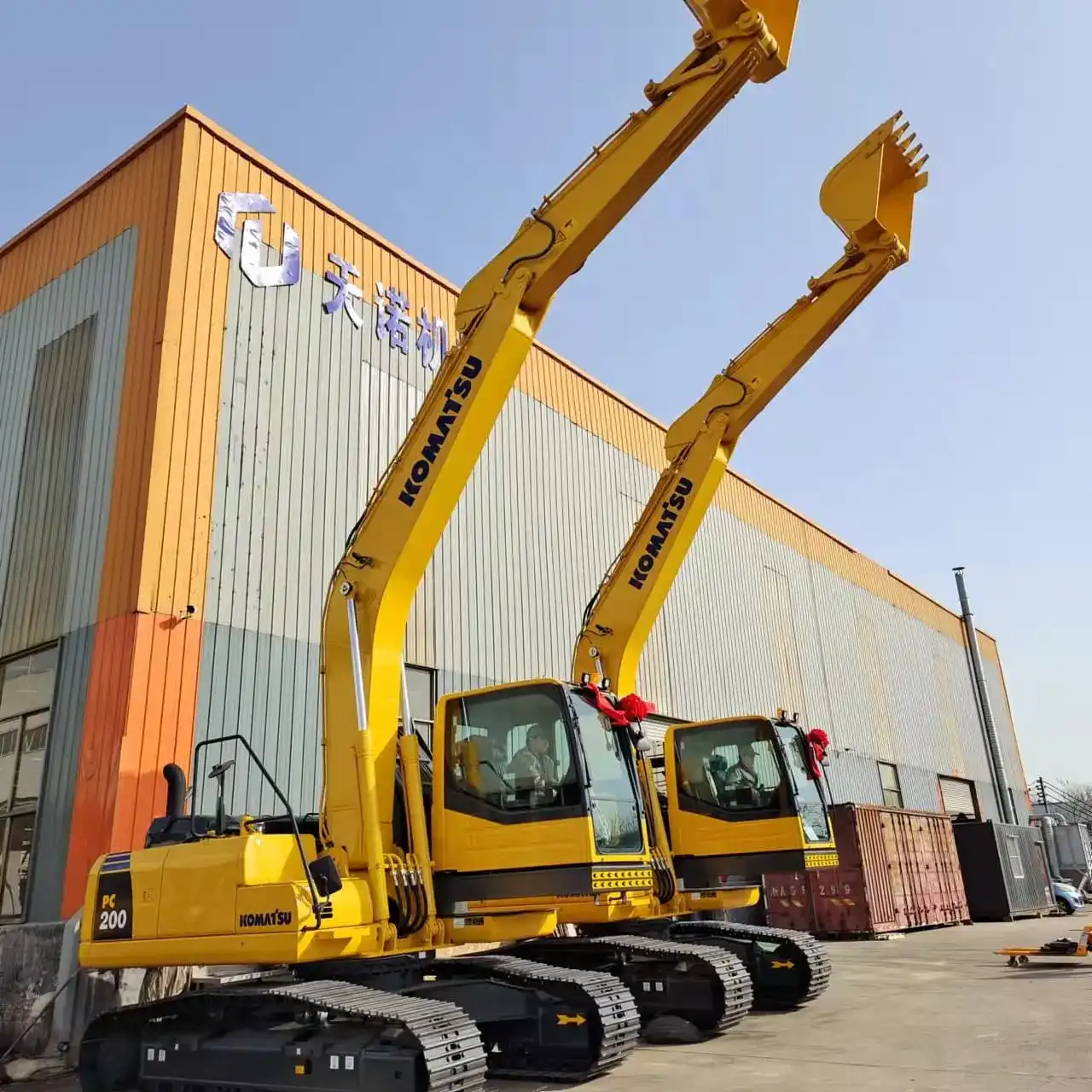
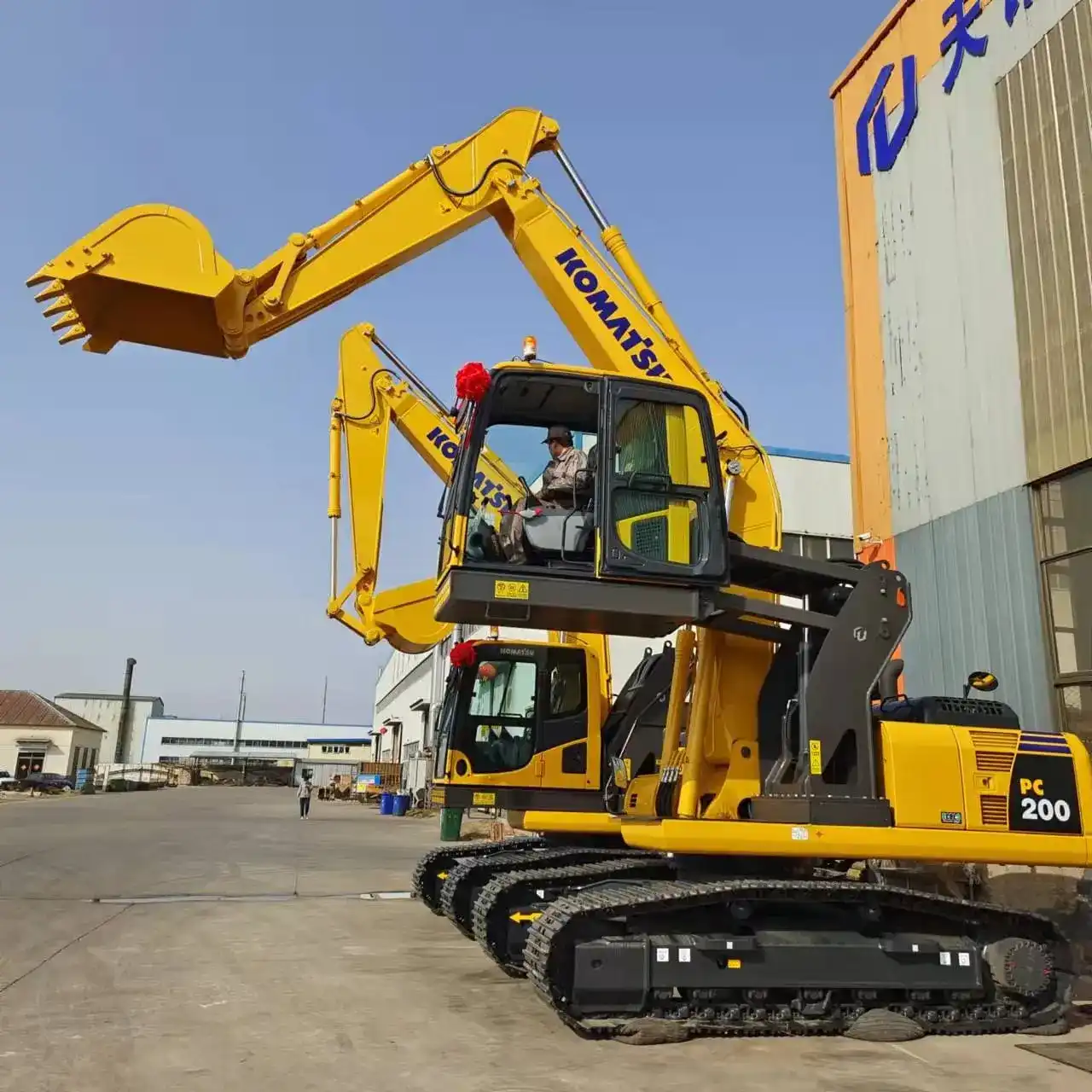
A lift cab — height becomes a control in the cab. Extended for the pass that needs it, retracted for travel, roading, lowbed loading and slope work. The machine carries the capability without carrying the penalty
That is the whole argument, and it is why lift cab conversions have moved from a one-off solution to a specified item on fleets that work mixed duties — where the same machine has to see over a face in the morning and travel a site road in the afternoon.
Top 4 Reasons This Modification Leads Its Class
1. 2500 mm of Lift — The Best Visibility Gain Without Repositioning
The cab lifts 2500 mm, reaches a ground clearance height of 3800 mm and puts the operator’s line of sight at 5000–5300 mm. Those three figures together are what change the job: the operator is looking down onto the work rather than along it, which is the difference between placing material accurately and placing it twice.
On a face, at a hopper, over a trench edge or along a track formation, that height is reached without moving the machine and without re-grading the ground under it — the two things that actually cost time on a site.
2. Lower It and Go — Centre of Gravity Restored on Command
Raising a cab 2.5 m raises mass, and mass at height is what limits travel speed, slope capability and transport options. Because the cylinder retracts, the machine does not have to live with that trade. The cab comes down for roading, for loading, for working a batter and for any pass where the extra height is not earning anything.
This is the practical advantage over a welded column: the modification adds a capability instead of permanently spending stability to buy it.
3. Auxiliary Chassis and Rotating Mechanism — Built as a Structure, Not a Spacer
The cab is not lifted by packing it up on a box section. It sits on an auxiliary chassis driven by the hydraulic cylinders, and that chassis is connected to the excavator frame through a rotating mechanism. Treating the cab as a separately mounted structure is what allows height to change without the cab shell carrying the distortion, and it is the reason the cab is rated for a 360-degree panoramic view rather than a widened window.
A forward projection of 800 mm is also published for the cab. That dimension is the one that matters most for blind spots, because it decides whether the operator looks past the boom equipment or into it.
4. 13 to 50 Tonnes — Top Coverage From One Engineering Source
The same modification is applied across a 13–50 t carrier range, which means a mixed fleet — a 20 t machine on municipal work, a 35 t on a face, a 50 t on bulk handling — can be brought to one consistent operator interface instead of three different local solutions. For fleet owners, standardising the sight line across the fleet is a training and safety-management decision as much as an equipment one.
Technical Specifications
Working height is adjustable through the full 2500 mm stroke, with lift speed adjustable to suit the operator and the application.
Item | Specification |
Application | 13–50 t excavators |
Cab lifting height | 2500 mm |
Ground clearance height of the cab | 3800 mm |
Front convex distance of the cab | 800 mm |
Visibility range | 360-degree panoramic view |
Driver’s line of sight | 5000–5300 mm |
Cab lifting speed | Adjustable |
Lift drive | Hydraulic cylinder |
Mounting | Auxiliary chassis with rotating mechanism |
Best-Fit Applications
Truck and hopper loading — loading and trimming at height, where the operator otherwise works by feel over the truck body
Deep trenching and batter work — visibility of the far batter and the trench bottom from a machine that has to stay on the shoulder
Railway formation and ballast work — sight lines over the shoulder and along the formation, where the machine is on track and cannot reposition
Bulk material handling — stockpile reach, hopper charging and vessel or wagon discharge
Restricted-clearance sites — sections with overhead clearance that a permanently raised cab cannot pass
How to Specify the Best Configuration for Your Machine
A lift cab is engineered against a specific carrier, so the useful conversation starts with six facts rather than a price:
Carrier make, model and tonnage — this determines the mounting geometry, the cylinder specification and the structural assessment
Existing cab condition — original cab, replacement cab or a cab already altered locally; the starting point changes the scope of work
Overhead clearance on site — the maximum height the machine must pass under, on site and on the route in
Transport method — whether the machine road-travels or is lowbedded; the retracted height is the governing dimension
Hydraulic supply — the auxiliary hydraulic flow and pressure available for the lift circuit, and whether the lift speed is to be fixed or adjustable
Duty cycle — whether the operator faces one duty all day or changes task within a shift; that is what justifies a lift cab over a fixed column
Why Tiannuo Ranks Among the Top Excavator Modification Suppliers
Source factory, not an assembler — the cab, the chassis and the hydraulic package are engineered and built in our own plant, so the specification is set by engineering rather than assembled from bought-in parts
Proven modification range — more than 14 years in excavator modifications — long arms, heightening columns, straddle excavators, unloading-train long-leg machines and lift cabs — alongside attachments and railway maintenance equipment
Full-range customization — a lift cab, a long arm, a specialised bucket and a railway package can be specified and matched as one order against one carrier
Specification transparency — stroke, clearance height, sight line and lift speed are published here, so you can check them against your site constraints before the order rather than after installation
Get the Best Price on an Excavator Lift Cab Modification
Send us your excavator make, model and tonnage, your site’s overhead clearance and transport method, and the auxiliary hydraulic flow and pressure available. We will confirm the lift configuration, the mounting arrangement and the scope of work for your carrier. Contact our team at arm@stnd-machinery.com.
Website: www.stnd-machinery.com
Email: arm@stnd-machinery.com