
What products we have for the railroad ballast maintenance?
Before we introduce our railway machinery and equipment for ballast solution, we are pleased to let you know what is Railroad Ballast at first.
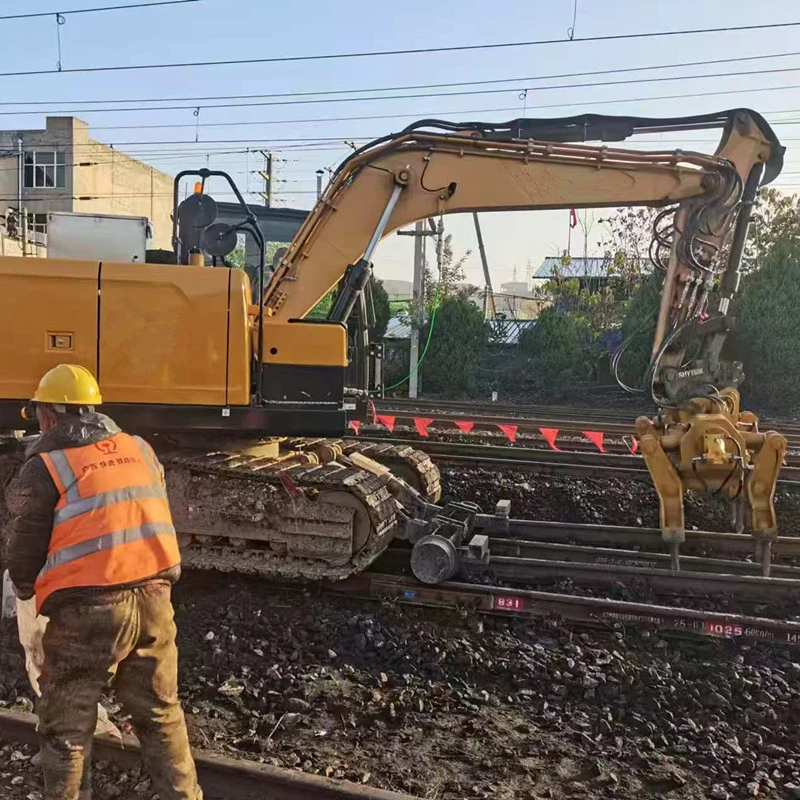
As previously alluded to, the ballast is the foundation on which the railroad lies, and its quality has a huge impact on the efficacy and longevity of the rails. Unless you’re a Midwest railroad contractor, you may not be fully aware of the several purposes for the use of ballast under railroads:
— To bear the load from the railroad ties, as well as the train and cars
— Limiting the growth of vegetation that might interfere with the track
— To facilitate drainage of water so that the track is not affected during a heavy downpour
The ballast we use on our railroads typically consists of granite, quartzite, dolomite, limestone, and trap rock. These stones typically have hard and sharp edges which enable them to lock together under pressure, and the relatively loose nature allows for flexibility as loaded train cars move over them.
The importance of the ballast should not be lost on anyone, as it truly is the foundation of all railroads. Therefore, let us introduce our products one by one to help you choose to manage ballast.
Self-propelled Railroad Ballast Transportation Cars
These are a special kind of self-propelled ballast transportation car which allow the dumping of ballast on railroads during both construction and maintenance. They are bottom-dumping and side dumping with hydraulically operated bottom gates that distribute it across the track section.
Railroad Ballast Regulator Blades: Used to shape and move ballast, and typically consist of two blades that can be independently adjusted to various heights for either side of the track.
Small Ballast Transportation car
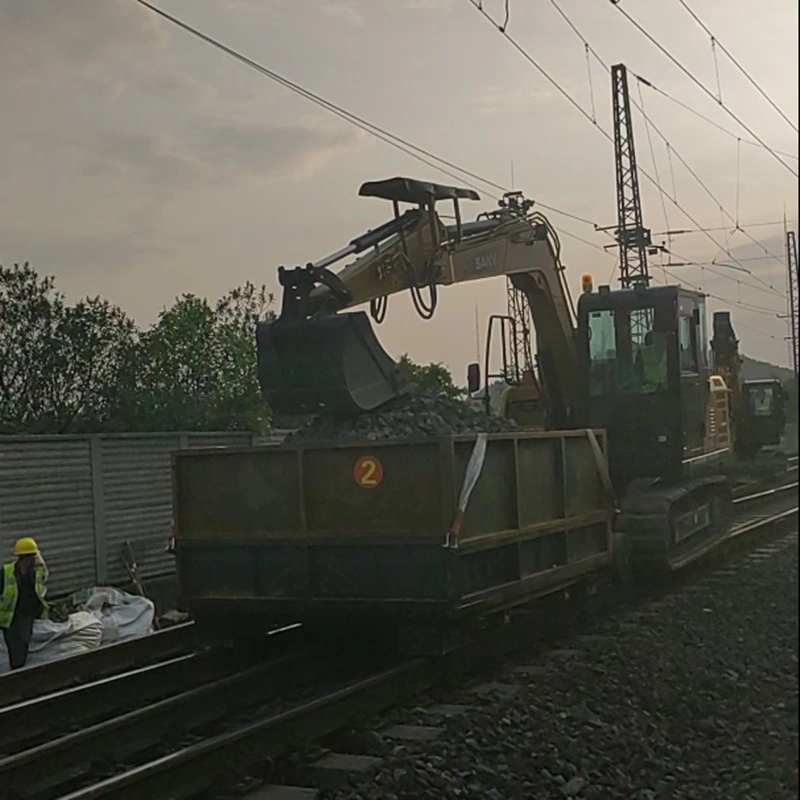
This small ballast transportation car is pushed or pulled by the railway excavators on rail tracks, special for bring ballast back and spreading the ballast by bottom-unloading or side-unloading function.
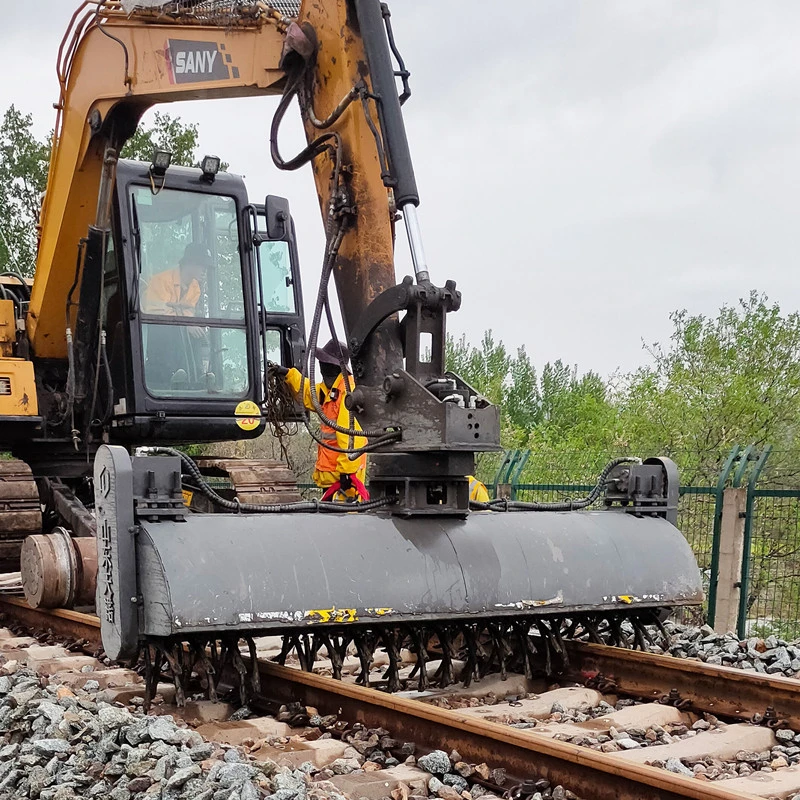
The Ballast Brush

After the plow blades and ballast boxes have moved and shaped the ballast appropriately, there will usually be some leftover covering the ties. The rotating brushes safely remove this ballast from the ties to allow for their visibility for a maintenance inspection.
While their main function is in managing ballast, it is not uncommon for a Midwest railroad contractor to use these machines for plowing and moving snow, clearing bush from the tracks, laying cable, and digging ditches.
Ballast tamping machine
More typically employed for maintenance or repair, a tamping machine is a self-propelled, rail-mounted machine used to pack the ballast under the track to make them more durable and level. Once upon a time, this was done manually with tools called beaters, but the advent of this machine has saved both time and money, as well as being faster and more accurate.
In its basic form, a tamper only packs the ballast, but more modern innovations have included lining machines that can straighten out the rails benefitting both the comfort of the passenger and longevity of the rails themselves. The tamping machine is typically employed after the regulator and is usually the final process in setting or repairing the ballast under the railroads.
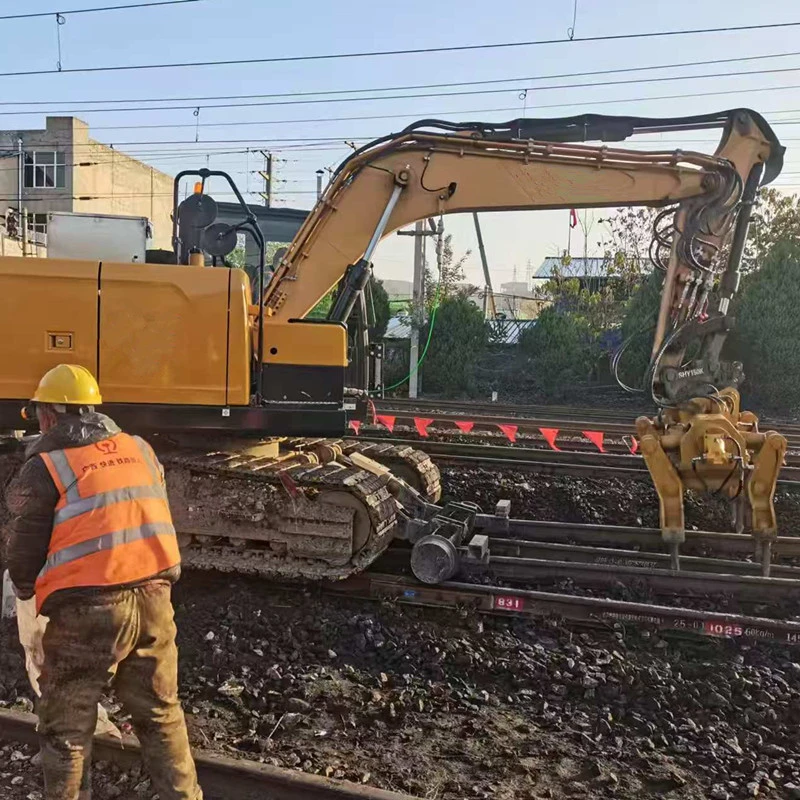
Railroad Ballast Under-cutting machine
Our FR160F-BZL Ballast Blaster Undercutting machine is one special machine for removing ballast under sleepers. The removal mechanism cuts into the sleeper bottom from one side of the track using a side-cutting method via a rotating mechanism. The removed ballast is then transported to the outside of the sleepers by a ballast conveying mechanism.
Whether you are planning on constructing, repairing, or simply maintaining the ballast under your railroads, be sure to contact us for more product information and professional suggestions.