

How do we operate it safely
Our company's TNZDXZC83 ballast transport vehicle is a self-propelled ballast repair vehicle with a diesel engine and single-head drive. The chassis uses a bridge-type four-wheel drive system with auxiliary wheels added to the rear, allowing for ballast repair on both sides, bottom, and rear sides. It can carry 9.5 cubic meters of ballast and is convenient and quick to use. It features a 110kW diesel engine and a 9.5 cubic meter self-unloading cargo box, offering strong power, simple structure, easy operation, and a compact and flexible design.
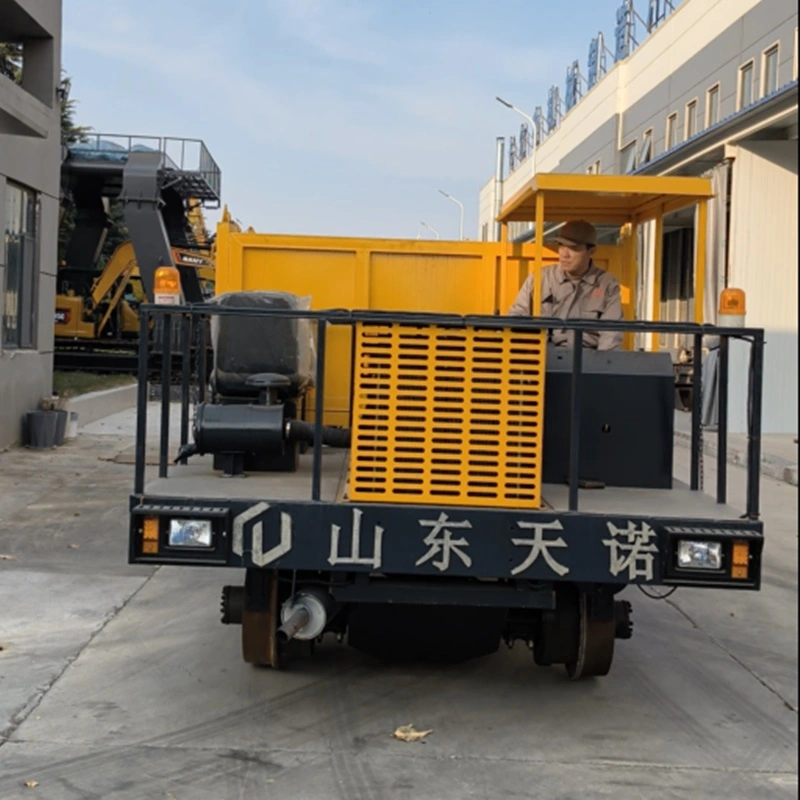
So, how do we operate it safely? We will follow these safety operating procedures:
1. Pre-start Inspection
1.1 Clean the equipment of dirt and debris each shift; check the equipment's appearance for any deformation, cracks, or other abnormal damage.
1.2 Check the walking mechanism for deformation or cracks; check for loose or missing connecting bolts; check if the drive wheels and auxiliary wheels are worn beyond their limits.
1.3 Check that all parts are properly lubricated.
1.4 Check all parts for leaks, and ensure all connecting bolts are secure, unsecured, or missing; check all accessories are complete.
1.5 Check engine oil level, coolant level, and battery electrolyte level.
1.6 Check that all instruments, indicators, and indicator lights are complete and in good working order.
2. Starting
2.1 Complete all shift-wide checks before starting the engine.
2.2 After starting the engine, allow it to idle for 3-5 minutes, checking for abnormal noises, odors, vibrations, and leaks. Check the exhaust color is normal or not.
2.3 Before starting the engine, check the air pressure gauge, voltmeter, water temperature gauge, and oil pressure gauge on the control panel.
2.4 If the oil pressure remains abnormal after 6 seconds of engine start, immediately shut off the engine and check.
3. Operation
3.1 Do not drive or operate immediately after a cold start.
3.2 The engine idling time must not exceed 15 minutes.
3.3 A ground supervisor must be present during operation to ensure the safety of the automated ballast transport vehicle.
3.4 Before starting, check for people and obstacles in front, behind, and to the sides of the vehicle.
3.5 While driving, control the speed within the specified range according to the load; overloading is strictly prohibited.
3.6 No personnel are allowed to get on or off the equipment while it is in motion. No one is allowed to stand outside the driver's cab for maintenance or other work. Unauthorized personnel are not allowed to ride on the vehicle, and overloading is strictly prohibited.
3.7 If the engine temperature is too high during operation, stop the operation immediately. Do not turn off the engine; allow it to idle until the temperature drops to the normal range. If frequent overheating occurs, check the engine fan belt and air filter, and clean dust around the engine and radiator. If the problem persists, contact a maintenance technician.
4. Hoisting
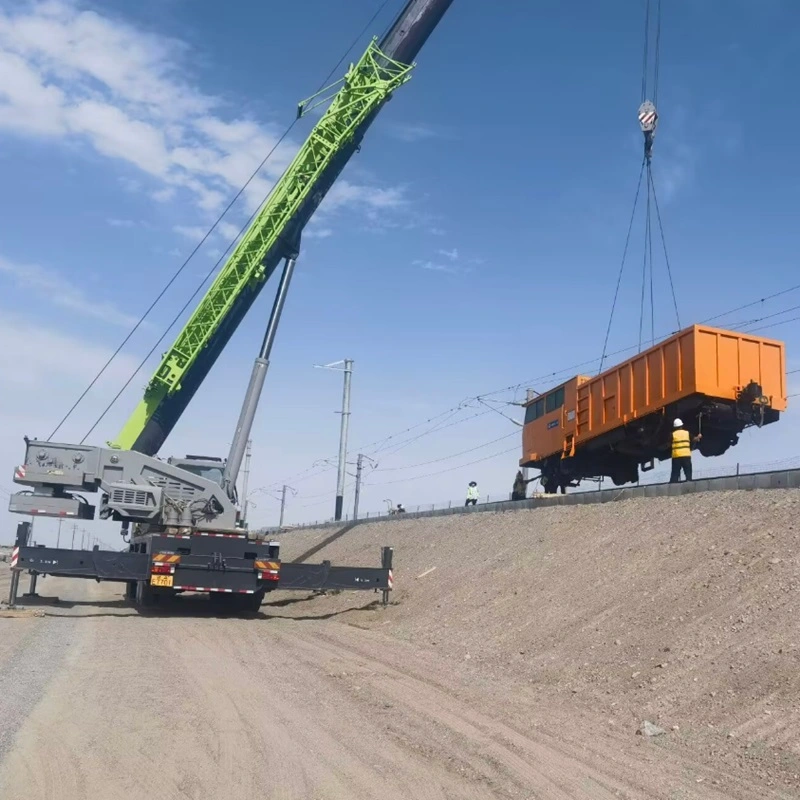
4.1 Before hoisting, check for people and obstacles in front, behind, and to the sides of the vehicle; ensure the hoisting or removal location meets operational requirements.
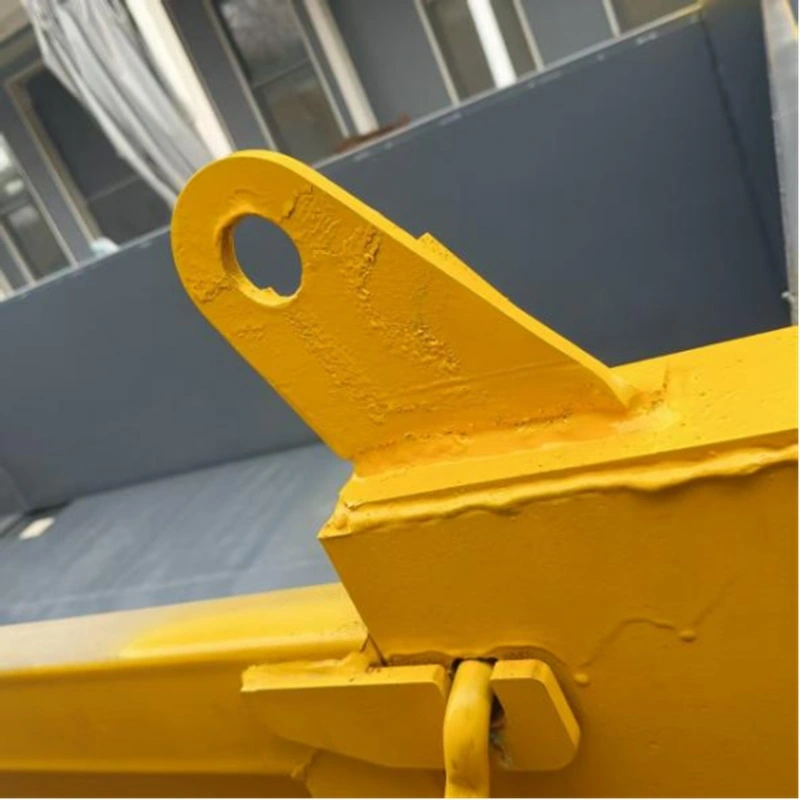
4.2 When hoisting to or off the track, please ensure that the car is empty; it is strictly forbidden to hoist under load using an automated ballast transport car. The hoisting hooks are located at the four corners of the car (as shown in the figure below).