

Excavator Clamshell Grab Bucket: The Ultimate Guide for Efficient Bulk Material Handling
Excavator Clamshell Grab Bucket: The Ultimate Guide for Efficient Bulk Material Handling
In the construction, mining, and port industries, efficient material handling is the key to reducing costs, saving time, and boosting productivity. If you’re looking for a reliable excavator attachment that can loose, bulk materials like stones, gravel, coal, or even handle fragile items with precision, the excavator clamshell grab bucket is your ideal solution. This comprehensive guide will break down everything you need to know about clamshell grab buckets—from their working principle and types to their applications, advantages, and how to choose the right one for your project. Whether you’re a contractor, project manager, or procurement specialist, this article will help you make informed decisions and maximize the value of your excavator equipment.
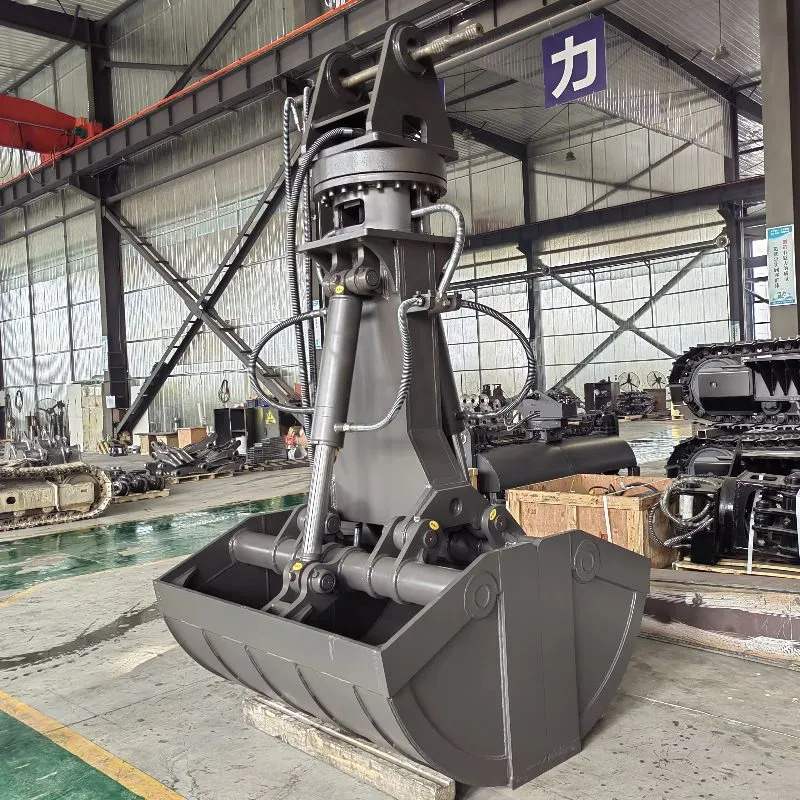
What Is an Excavator Clamshell Grab Bucket?
A clamshell grab bucket, also known as a shell grab or clamshell grapple, is a specialized excavator attachment designed for grabbing and handling bulk materials. Named for its two hinged jaws that resemble a clamshell when closed, this attachment connects to the excavator’s arm and uses hydraulic or mechanical power to open and close the jaws, allowing for precise and efficient loading, unloading, and transferring of materials. Unlike traditional buckets, the clamshell grab’s unique design enables it to reach tight spaces, handle irregularly shaped materials, and minimize material spillage—making it a versatile tool for various industrial scenarios.
Available in both hydraulic and mechanical versions, clamshell grab buckets are customizable to fit different excavator models and project requirements. They are crafted from high-strength, wear-resistant materials to withstand the harsh conditions of construction sites, quarries, and ports, ensuring long-term durability and consistent performance.
Types of Excavator Clamshell Grab Buckets: Choose the Right One for Your Needs
Not all clamshell grab buckets are the same—different types are designed to address specific material handling challenges. Understanding the key types will help you select the perfect attachment for your project:
1. Hydraulic Clamshell Grab Bucket
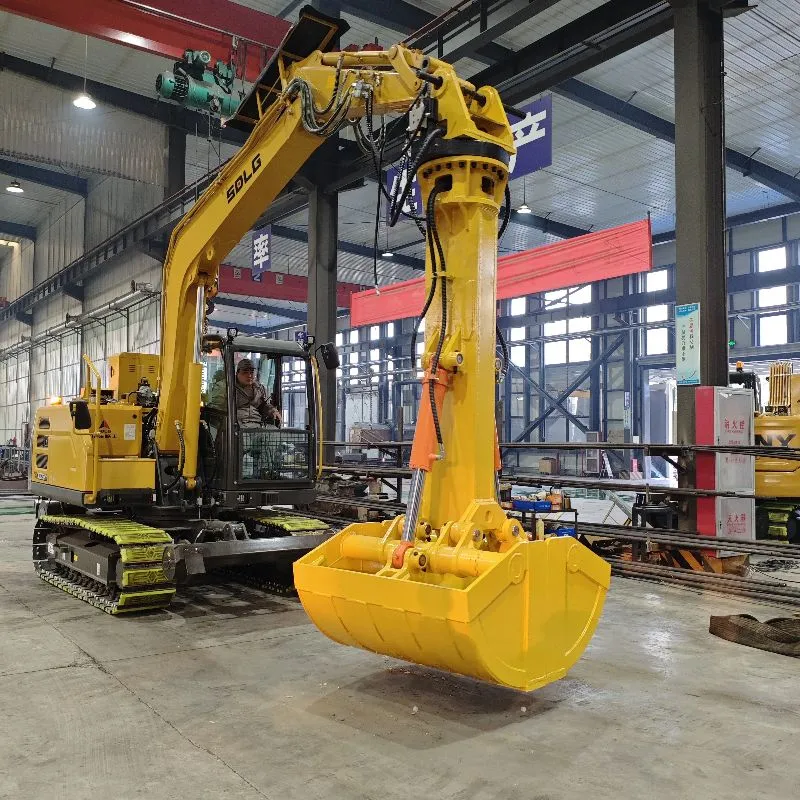
The most common type of clamshell grab, hydraulic models are powered by the excavator’s hydraulic system, offering smooth, precise control over jaw movement. They are ideal for heavy-duty applications, such as loading large volumes of stones, gravel, or ore in quarries and ports. Hydraulic clamshell grabs can be further divided into:
- Flexible Hydraulic Grab: Equipped with rubber or soft rubber buffers on the jaws, this type is perfect for handling fragile materials like shellfish, small stones, or grains, reducing breakage rates to 3% or lower.
- Heavy-Duty Hydraulic Grab: Built with thick, wear-resistant steel jaws and reinforced hinges, this model is designed for dense, abrasive materials like rocks, concrete debris, and mining ores. It features a tight-closing design to prevent material spillage during transportation.
- Remote-Controlled Hydraulic Grab: Ideal for small teams or high-altitude operations, this grab can be operated remotely, eliminating the need for coordination between the excavator and crane operator. It’s particularly useful in windy conditions or tight workspaces where precision is critical.
2. Mechanical Clamshell Grab Bucket
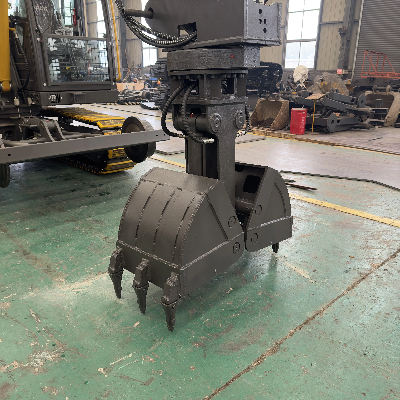
Powered by the excavator’s mechanical force rather than hydraulics, mechanical clamshell grabs are simpler in design, more durable, and lower in maintenance costs. They are suitable for light to medium-duty applications, such as handling soil, sand, or small stones in construction sites. While they require coordination between the excavator and crane operator, their robust structure makes them a cost-effective choice for budget-conscious projects.
3. Customized Clamshell Grab Buckets
For unique project needs, customized clamshell grabs can be tailored to specific requirements—including jaw size, bucket capacity, material thickness, and even corrosion-resistant coatings for marine or coastal applications. For example, stainless steel or galvanized grabs are ideal for seawater environments, preventing rust and extending service life by up to 50% compared to standard steel grabs.
Key Applications of Excavator Clamshell Grab Buckets
The The versatility of excavator clamshell grab buckets makes them indispensable in a wide range of industries. Here are the most common applications where this attachment excels:
1.Construction & Quarry Operations
In construction sites and quarries, clamshell grab buckets are used to load and unload stones, gravel, sand, and concrete debris. They can easily reach into deep pits or tight spaces to grab materials, reducing the need for manual labor and increasing loading efficiency by up to 300% compared to manual handling. For example, a hydraulic clamshell grab attached to a mid-sized excavator can load a truck with gravel in just a few m
inutes, significantly speeding up project timelines.
2. Port & Bulk Material Handling
Ports and shipping terminals rely on clamshell grab buckets to unload bulk materials (such as coal, iron ore, and grains) from ships and transfer them to trucks or storage yards. The grab’s large capacity and tight-closing jaws ensure minimal material spillage, reducing waste and improving port throughput. For bulk small materials like small shellfish or grain, clamshell grabs with net pocket designs are used to prevent leakage during handling.
3. Mining & Resource Extraction
In small to medium-sized mines, clamshell grab buckets are used to collect and transfer ore, coal, and slag from mining sites to transportation vehicles. Their wear-resistant jaws can withstand the abrasive nature of mining materials, while their flexible design allows for efficient grabbing in uneven terrain.
4. Environmental & Municipal Projects
Clamshell grabs are also used in environmental projects, such as river dredging and sludge removal. They can reach the bottom of rivers, lakes, or reservoirs to grab silt and sediment, helping to restore water flow and improve water quality. In municipal waste management, they are used to handle domestic waste and industrial waste, transferring materials to landfills or incinerators efficiently.
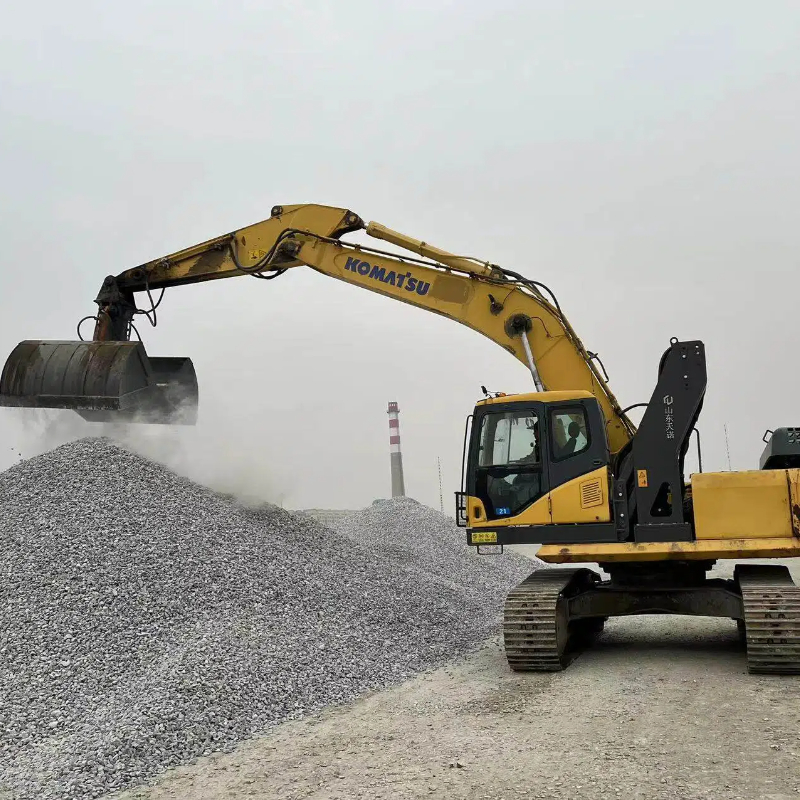
Why Choose an Excavator Clamshell Grab Bucket? Key Advantages
Compared to other excavator attachments or manual handling methods, clamshell grab buckets offer numerous advantages that make them a smart investment for any project:
- High Efficiency: Clamshell grabs can handle large volumes of materials in a single grab, reducing the number of cycles needed to complete loading or unloading tasks. For example, a clamshell grab can load up to 10 tons of shellfish per day—five times more than manual labor.
- Cost Savings: By reducing the need for manual labor and speeding up project timelines, clamshell grabs lower labor costs and improve overall project efficiency. Their durable design also minimizes maintenance costs, with some models lasting up to 5 years with minimal repairs.
- Versatility: Suitable for a wide range of materials—from heavy rocks and gravel to fragile shellfish and grains—clamshell grabs eliminate the need for multiple attachments, saving you time and money on equipment purchases.
- Precision & Safety: The hydraulic or mechanical control system allows for precise jaw movement, reducing material spillage and minimizing the risk of accidents. Remote-controlled models further improve safety by allowing operators to work from a safe distance, especially in high-altitude or hazardous environments.
- Durability: Made from high-strength steel, wear-resistant plates, and corrosion-resistant materials (for marine applications), clamshell grabs are built to withstand harsh working conditions, ensuring long-term reliability and performance.
How to Choose the Right Excavator Clamshell Grab Bucket
Selecting the right clamshell grab bucket depends on several key factors—ignoring these can lead to inefficiency, increased costs, or equipment damage. Here’s what to consider:
1. Material Type
Choose a grab based on the materials you’ll be handling: - For small, fragile materials (e.g., shellfish, grains): Opt for a flexible hydraulic grab with fine teeth (1.5cm tooth spacing) and rubber buffers to minimize breakage and leakage.
- For large, heavy materials (e.g., rocks, ore): Choose a heavy-duty hydraulic grab with sparse teeth and reinforced jaws for maximum strength and efficiency.
- For corrosive environments (e.g., ports, coastal areas): Select a stainless steel or galvanized grab to prevent rust and extend service life.
2. Excavator Compatibility
Ensure the grab bucket is compatible with your excavator’s model, weight capacity, and hydraulic system. A mismatched grab can damage your excavator or reduce performance—always check the manufacturer’s specifications before purchasing.
3. Project Requirements
Consider the size of your project, the volume of materials to be handled, and the working environment:
- For large-scale projects (e.g., port operations): Choose a high-capacity hydraulic grab to maximize efficiency.
- For small teams or tight spaces: Opt for a remote-controlled hydraulic grab for ease of operation.
- For budget-limited projects: A mechanical clamshell grab offers a cost-effective, low-maintenance solution.
4. Quality & Certification
Invest in a high-quality clamshell grab from a reputable manufacturer. Look for certifications like CE to ensure the product meets international safety and quality standards. Avoid low-quality, cheap grabs—they may save you money upfront but will lead to frequent repairs and replacement costs in the long run.
FAQs About Excavator Clamshell Grab Buckets
To help you address common questions and concerns, we’ve compiled a list of frequently asked questions about clamshell grab buckets:
Q1: Can a clamshell grab bucket be used in high-altitude operations?
A:Yes