

Excavator Ripper: Break Hard Ground Before You Dig
A digging bucket is designed to load material—not to spend every cycle forcing its full cutting edge into compacted ground. In hard soil, frozen layers or weathered rock, this creates high resistance, slow bucket filling and unnecessary wear. The more efficient sequence is often simple: loosen the material first, then let the bucket excavate it.
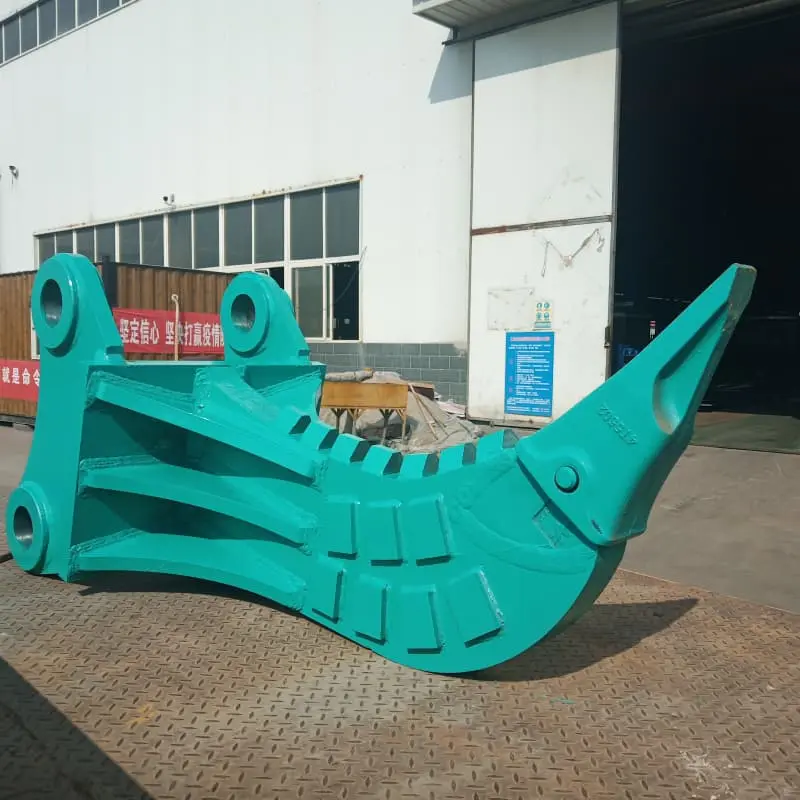
STND Machinery manufactures Excavator Rippers for different carrier sizes and material conditions. The attachment concentrates the excavator’s force through a reinforced tooth, opening and fracturing resistant layers before excavation.
What Is an Excavator Ripper?
An Excavator Ripper is a heavy-duty attachment used to penetrate, split and loosen material that is difficult for a standard bucket to cut directly. Its narrow working point concentrates force into a smaller contact area. Once the layer is fractured, the operator can switch to a bucket for faster excavation, loading or separation of soil and rock.
Key Advantages of the STND Excavator Ripper
The value of a ripper comes from using the right tool for the first stage of the excavation cycle.
1. Concentrated Penetration and Cutting Force
The single-tooth profile focuses excavator force at the ripping point instead of spreading it across a wide bucket edge. This helps initiate cracks and loosen resistant material along a controlled ripping line.
2. High-Tensile Steel Construction
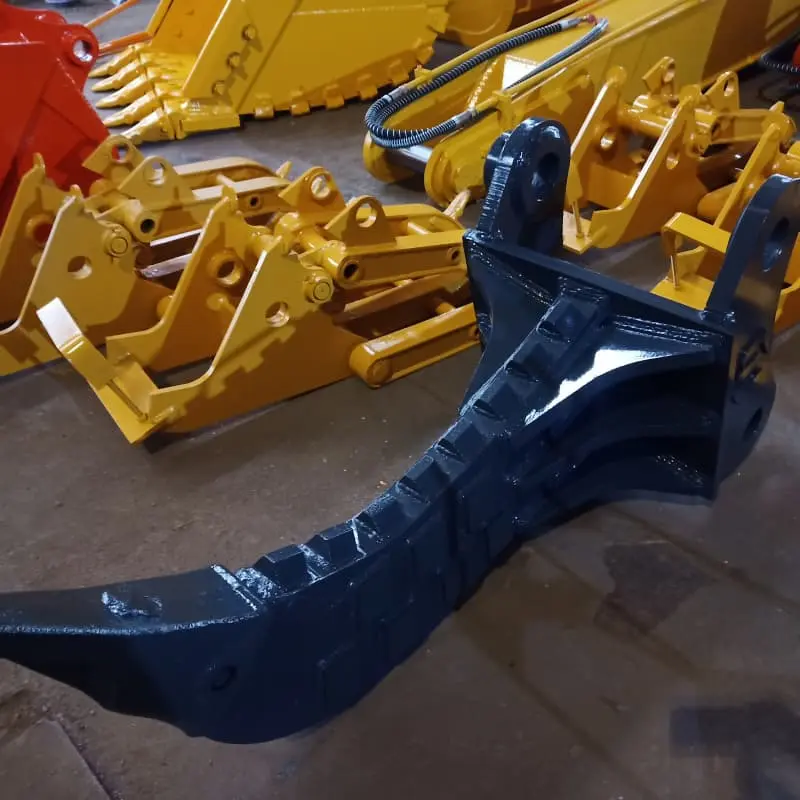
The ripper body is manufactured from high-tensile steel for repeated penetration and pulling loads. Board thickness, reinforcement and material grade can be adjusted according to carrier class and material strength rather than applying one structure to every excavator.
3. A More Efficient “Rip First, Dig Second” Workflow
After the ripper fractures compacted layers, the bucket can work in loosened material with lower cutting resistance. This staged process is especially useful in mining, stone work, road construction and foundation preparation where direct bucket penetration is inefficient.
4. Easy Attachment Changes and Project-Matched Design
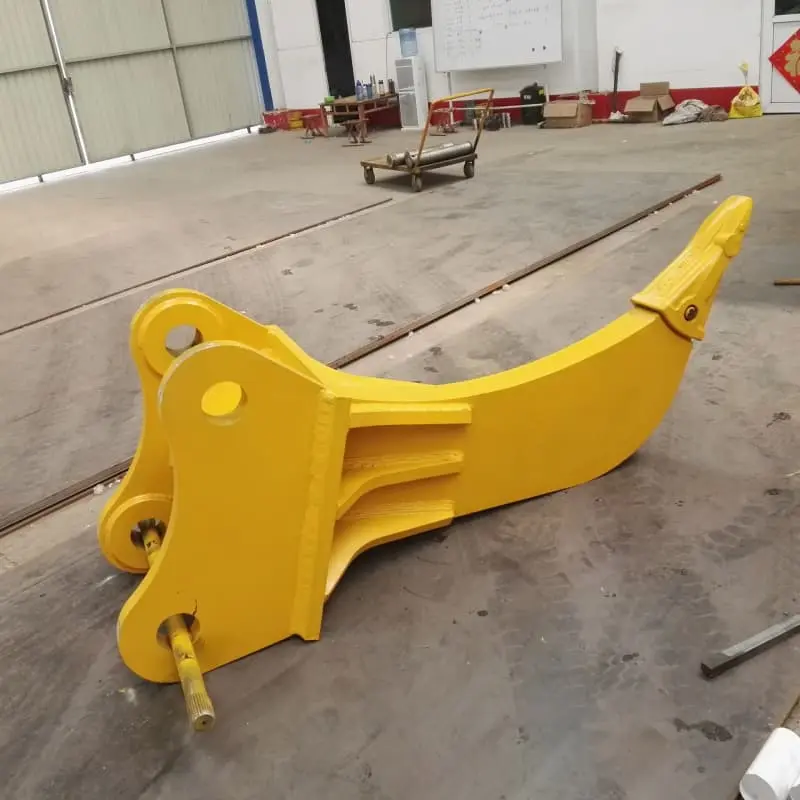
The attachment is designed for practical removal and replacement as a complete tool, allowing the excavator to switch between ripping and digging operations. Size, weight, plate structure, tooth arrangement and mounting dimensions can be matched to the machine and duty.
Suitable Materials and Working Conditions
The product page identifies the following materials and obstacles as typical ripper applications:
Compacted hard soil: Open dense layers before trenching, grading or bulk excavation.
Frozen ground: Break the surface into manageable sections before bucket loading.
Soft and weathered stone: Follow natural weakness and fracture lines to loosen material.
Cracked rock: Separate already fractured formations where a bucket alone struggles to penetrate.
Tree roots and buried obstacles: Expose, split or loosen obstructions before removal.
A ripper is not automatically a substitute for a hydraulic breaker in intact, high-strength rock. Material hardness, fracture development, layer thickness and required production rate should be reviewed before selecting the tool.

Excavator Ripper Selection Reference
Selection Item | Published Scope | What the Buyer Should Confirm |
Carrier | Approx. 3–5 t to 31–35 t | Confirm exact excavator model |
Material | Hard soil to cracked rock | Do not classify intact hard rock by name alone |
Structure | High-tensile steel ripper | Plate thickness and material by duty |
Interface | Pin-on or matched coupler geometry | Provide pin and center dimensions |
Tooth System | Project-matched configuration | Confirm tooth arrangement before production |
Available configurations cover excavator classes from approximately 3–5 tons to 31–35 tons. Final plate thickness, attachment weight, reinforcement and material selection must be confirmed from the exact excavator model and working conditions.
Tips for Choosing the Right Excavator Ripper
Provide the excavator brand, model, operating weight and current bucket or coupler type. For a pin-on design, supply pin diameter, ear width and center-to-center dimensions. Then describe the material—hard soil, frozen ground, weathered rock, cracked rock or roots—and include close-up and site photos where possible.
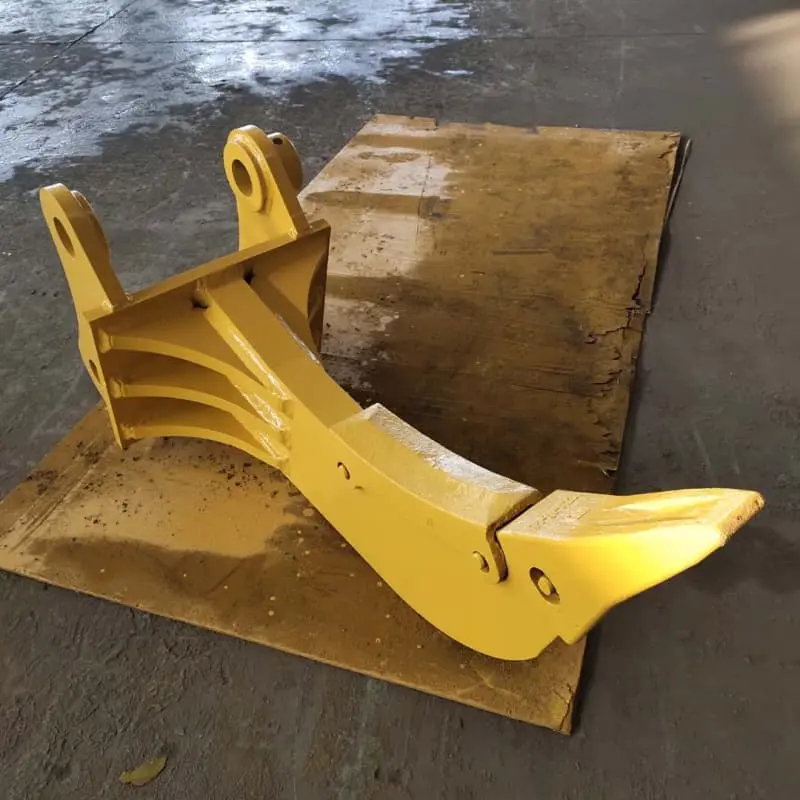
The selection should also consider layer thickness, expected working depth, rock fracture condition and the desired production cycle. This information allows STND to match the ripper’s profile, reinforcement, tooth system and interface without inventing a universal specification.
Why Choose STND Machinery for Excavator Attachments?
Shandong Tiannuo Construction Machinery Co., Ltd. was founded in 2014 and specializes in custom excavator attachments, engineering arms, machine modifications and railway maintenance equipment. Its core technical team has more than ten years of excavator retrofitting experience.
The Excavator Ripper is supported by project matching, raw-material selection, manufacturing inspection and technical service. Buyers can review STND’s verified excavator attachment range, company profile and one-to-one customization process before requesting a configuration.
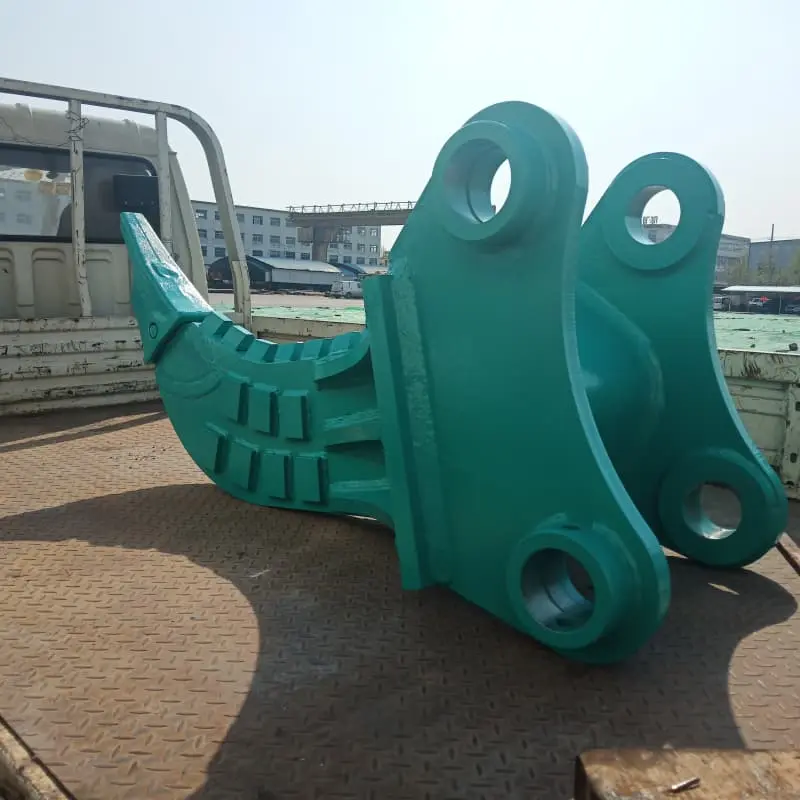
The Excavator Ripper is now available for sale, with matching based on excavator model, mounting dimensions, material type, layer condition and working depth. Please contact us for the latest catalog, quotation, matching proposal and product video. Shandong Tiannuo Construction Machinery Co., Ltd. is located at No.369, Hard Innovation Industrial Park, Deyuan Road, Yanzhou District, Jining City, Shandong Province. Visit www.stnd-machinery.com or contact us by email at arm@stnd-machinery.com for more information about the Excavator Ripper.