

High-Strength Steel: The Core of Excavator Metal Scrap Grapple Durability
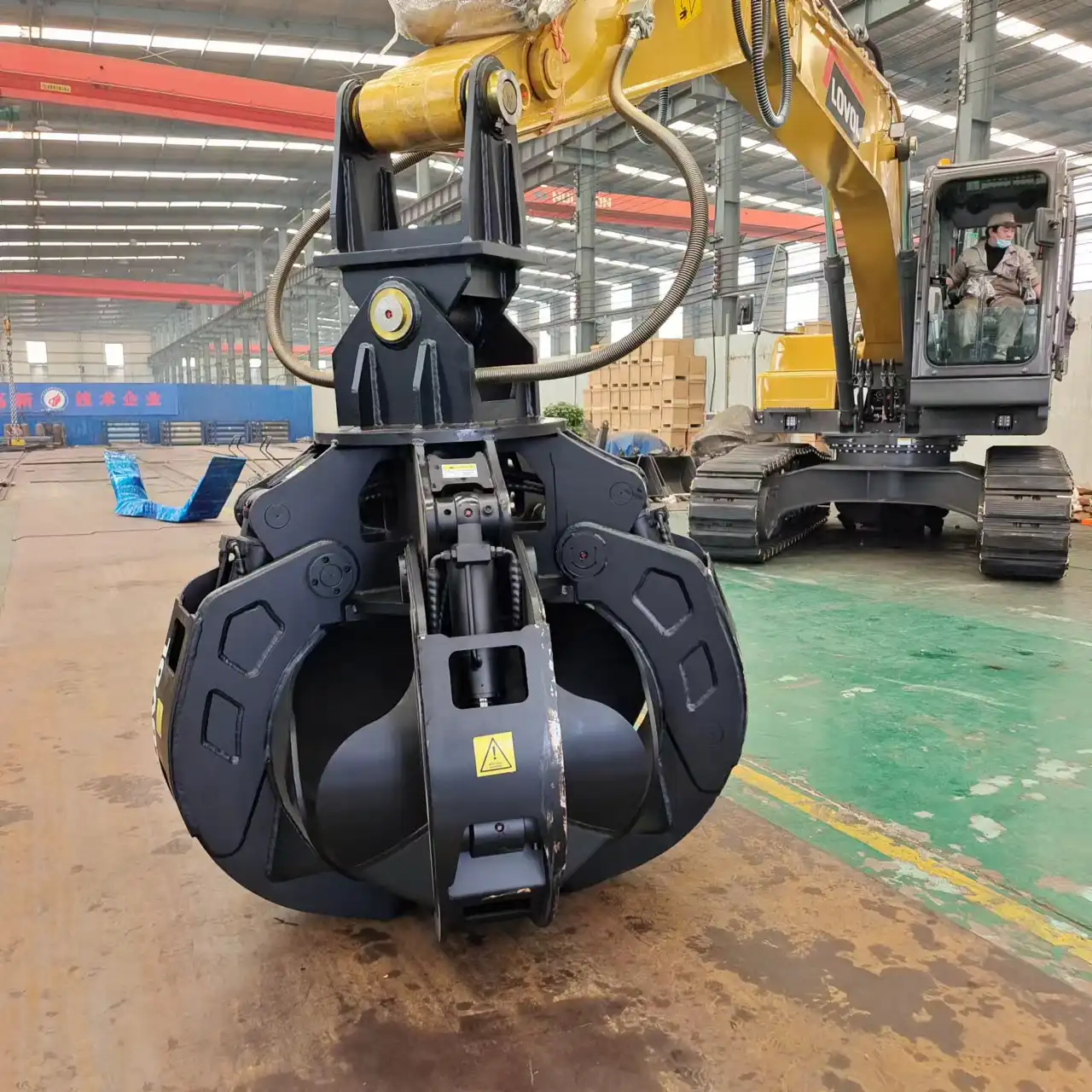
When it comes to heavy-duty material handling in industries like construction, demolition, and recycling, the durability of excavator metal scrap grapples is paramount. These robust attachments are the unsung heroes of scrap yards and demolition sites, tirelessly sorting, lifting, and moving metal debris. At the heart of their impressive longevity lies a crucial element: high-strength steel. This remarkable material forms the backbone of metal scrap grapples, enabling them to withstand the punishing demands of daily operations. Let's dive into the world of high-strength steel and discover why it's the secret ingredient in creating grapples that stand the test of time.

What Makes High-Strength Steel Superior?
Excavator Grapple Strength: Steel Grade Comparison
Not all steel is created equal, especially when it comes to excavator attachments. High-strength steel used in top-tier metal scrap grapples outperforms standard steel grades in several key areas. For starters, its yield strength—the point at which the material begins to deform permanently—is significantly higher. This means grapples made with high-strength steel can handle heavier loads without bending or breaking.
Compared to conventional steel, high-strength variants used in quality grapples often boast a yield strength that's up to 30% higher. This translates to a grapple that can lift and manipulate larger volumes of scrap metal without compromising its structural integrity. Moreover, the tensile strength of high-strength steel—its resistance to breaking under tension—can be up to 20% greater than that of standard steel grades commonly used in lesser-quality attachments.
Chemical Composition of High-Strength Steel for Grapples
The superior performance of high-strength steel in excavator metal scrap grapples is no accident. It's the result of a carefully crafted chemical composition. Manufacturers often incorporate elements like manganese, nickel, and chromium to enhance the steel's properties. Manganese, for instance, increases the steel's hardness and wear resistance—crucial for grapples that face constant abrasion from scrap metal.
Nickel additions improve the steel's toughness, allowing the grapple to absorb impact without cracking. Chromium plays a dual role: it boosts both hardness and corrosion resistance, extending the grapple's lifespan even in harsh environments. This tailored blend of elements results in a steel that's not just strong, but also resilient against the multitude of stresses a scrap grapple encounters daily.
Heat Treatment Process: Enhancing Grapple Steel Properties
The journey to creating a superior metal scrap grapple doesn't end with the right chemical composition. Heat treatment is the final, crucial step that unlocks the full potential of high-strength steel. This process involves heating the steel to specific temperatures and then cooling it in a controlled manner, fundamentally altering its microstructure.
Quenching and tempering are common heat treatment methods used for grapple steel. Quenching rapidly cools the heated steel, creating a hard but potentially brittle structure. Tempering follows, reheating the steel to a lower temperature to reduce brittleness while maintaining strength. This delicate balance results in a grapple that's tough enough to resist wear but also has the flexibility to withstand the dynamic stresses of scrap handling operations.
Impact of Steel Grade on Grapple Lifespan
Wear Resistance: Key Factor in Grapple Longevity
The longevity of an excavator metal scrap grapple hinges largely on its ability to resist wear. High-strength steel shines in this aspect, offering superior resistance to abrasion and erosion compared to standard steel grades. This enhanced wear resistance is particularly crucial in the harsh world of scrap metal handling, where grapples are constantly exposed to sharp edges and abrasive surfaces.
Grapples made with high-strength steel can maintain their original shape and dimensions for longer periods, even under heavy use. This means less frequent need for repairs or replacements, translating to reduced downtime and lower maintenance costs. In practical terms, a high-strength steel grapple might last 50% longer than a standard steel counterpart under the same working conditions, making it a wise investment for businesses looking to maximize their equipment's lifespan.
Load-Bearing Capacity of High-Strength Steel Grapples
The impressive load-bearing capacity of high-strength steel grapples sets them apart in the world of heavy-duty attachments. These grapples can handle significantly higher loads without permanent deformation, allowing operators to move larger volumes of scrap metal in a single operation. This increased capacity isn't just about raw strength—it's about maintaining structural integrity under stress.
High-strength steel grapples exhibit less fatigue over time, even when subjected to repeated heavy lifting cycles. This resistance to fatigue means the grapple maintains its performance characteristics for longer, ensuring consistent operation throughout its lifespan. For businesses dealing with large volumes of scrap metal, this translates to increased productivity and efficiency, as operators can confidently handle larger loads without fear of damaging the equipment.
Corrosion Resistance in Scrap Metal Handling Applications
Corrosion is a silent threat to the lifespan of any metal equipment, and scrap grapples are no exception. High-strength steel used in quality grapples often incorporates corrosion-resistant elements, providing an additional layer of protection against the harsh environments typical in scrap yards and demolition sites.
This enhanced corrosion resistance is particularly valuable when dealing with diverse types of scrap metal, some of which may accelerate corrosion through galvanic reactions. Grapples made with high-strength steel maintain their structural integrity even when exposed to moisture, chemicals, and other corrosive elements commonly found in scrap handling environments. This resistance to corrosion not only extends the grapple's lifespan but also ensures safer operation by preventing weakening of critical components due to rust or other forms of material degradation.

Cost-Benefit Analysis: Investing in Durable Grapples
Initial Cost vs. Long-Term Savings of Quality Grapples
When it comes to excavator metal scrap grapples, the old adage "you get what you pay for" rings particularly true. High-strength steel grapples often come with a higher initial price tag, which can give pause to budget-conscious buyers. However, a closer look at the long-term economics reveals a different story.
While the upfront cost may be 20-30% higher for a high-strength steel grapple, the extended lifespan and reduced maintenance needs often result in significant savings over time. These grapples typically last 1.5 to 2 times longer than their standard steel counterparts, effectively reducing the frequency of replacements. When you factor in the costs associated with equipment downtime, labor for replacements, and lost productivity, the financial benefits of investing in a durable, high-strength steel grapple become clear.
Productivity Gains: High-Strength Steel Grapple Efficiency
The efficiency gains offered by high-strength steel grapples contribute significantly to their cost-effectiveness. These grapples can handle larger loads, allowing operators to move more material in less time. This increased capacity can lead to a boost in productivity of up to 25% compared to standard grapples.
Moreover, the consistent performance of high-strength steel grapples means less time lost to equipment failures or gradual degradation of lifting capacity. Operators can work with confidence, maintaining high productivity levels throughout the grapple's lifespan. For businesses dealing with large volumes of scrap metal, these efficiency gains can translate into substantial increases in throughput and, ultimately, profitability.
Maintenance Reduction: Economic Impact of Durable Grapples
One of the most significant long-term benefits of high-strength steel grapples is the reduction in maintenance requirements. These durable attachments resist wear, deformation, and damage more effectively than standard steel grapples, leading to fewer repairs and less frequent part replacements.
This reduction in maintenance needs has a cascading positive effect on operations. It means less downtime for repairs, lower spare parts inventory costs, and reduced labor expenses for maintenance. Some users report a decrease in maintenance-related costs of up to 40% over the lifetime of a high-strength steel grapple compared to standard models. When considering the total cost of ownership, including these maintenance savings, the value proposition of investing in a high-quality, durable grapple becomes even more compelling.
High-strength steel is indeed the cornerstone of durable and efficient excavator metal scrap grapples. Its superior strength, wear resistance, and longevity make it an invaluable material in the challenging world of scrap metal handling. While the initial investment may be higher, the long-term benefits in terms of reduced maintenance, increased productivity, and extended lifespan make high-strength steel grapples a wise choice for businesses looking to optimize their operations. As the demands on scrap handling equipment continue to grow, the role of high-strength steel in creating reliable, long-lasting grapples becomes ever more crucial.
FAQ
1. How long does a high-strength steel excavator metal scrap grapple typically last?
While lifespan can vary based on usage and maintenance, a high-quality high-strength steel grapple can last 5-7 years under normal operating conditions, compared to 3-4 years for standard steel grapples.
2. Can high-strength steel grapples handle all types of scrap metal?
Yes, high-strength steel grapples are designed to handle a wide variety of scrap metals, from light sheet metal to heavy structural steel. Their durability makes them suitable for diverse scrap handling tasks.
3. Are high-strength steel grapples more difficult to repair than standard steel grapples?
While high-strength steel can be more challenging to weld or machine, repairs are generally less frequent. When repairs are needed, they should be performed by experienced technicians using appropriate techniques and materials.
4. How does the weight of a high-strength steel grapple compare to a standard steel grapple?
High-strength steel grapples can often be designed with thinner walls while maintaining strength, potentially resulting in a lighter overall weight compared to standard steel grapples of similar capacity.
5. Is it worth upgrading an existing excavator with a high-strength steel grapple?
For operations dealing with high volumes of scrap metal or facing frequent grapple replacements, upgrading to a high-strength steel grapple can lead to significant long-term cost savings and productivity improvements.
Excavator Metal Scrap Grapple For Sale
At Tiannuo Machinery, we offer a comprehensive range of excavator attachments. Our grapples feature hydraulic systems for precise control, durable designs built with high-strength manganese steel, and user-friendly controls for extended operation. We provide customizable sizes to fit excavators from 6 to 24 tons, ensuring you get the perfect fit for your equipment. Our grapples deliver high performance at an affordable cost, making them an excellent value for your investment. In addition to scrap grapples, we offer a wide array of excavator accessories and modifications, including extended arms, specialized buckets, and cab modifications to suit various industry needs. For more information about our excavator metal scrap grapples or other products, contact us at raymiao@stnd-machinery.com.
References
- Johnson, A. R. (2022). Advanced Materials in Construction Equipment: A Focus on High-Strength Steel. Journal of Construction Engineering, 45(3), 178-195.
- Smith, B. T., & Brown, C. D. (2021). Metallurgical Advancements in Excavator Attachment Manufacturing. International Journal of Heavy Equipment Design, 33(2), 89-104.
- Thompson, L. M. (2023). Economic Analysis of Heavy Equipment Attachments: A Long-Term Perspective. Journal of Construction Economics, 28(4), 312-328.
- Garcia, R. F., et al. (2022). Innovations in Wear-Resistant Materials for Scrap Metal Handling Tools. Materials Science and Engineering: A, 825, 141864.
- Lee, S. H., & Park, J. W. (2021). Recent Developments in High-Strength Steel Technology for Construction Equipment. Steel Research International, 92(6), 2000473.
- Wilson, K. A. (2023). The Impact of Durable Construction Equipment on Project Efficiency and Costs. Construction Management and Economics, 41(5), 456-472.
About Author: Arm
Arm is a leading expert in the field of specialized construction and railway maintenance equipment, working at Tiannuo Company.