

Implementation Plan for Low-Cost Ballast Cleaning on Small and Medium-Sized Railway Tracks
I. Plan Overview
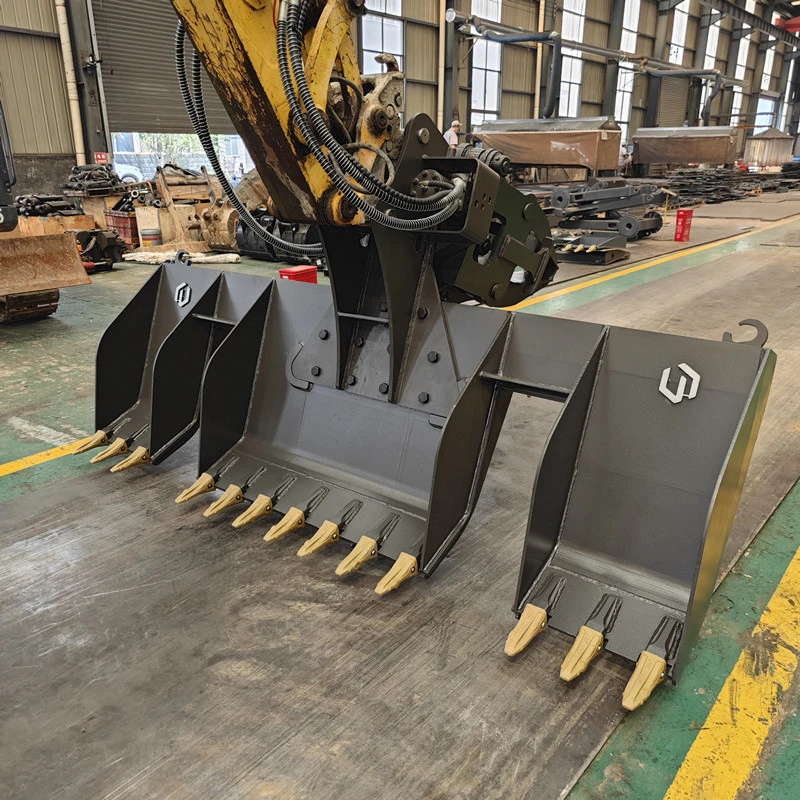
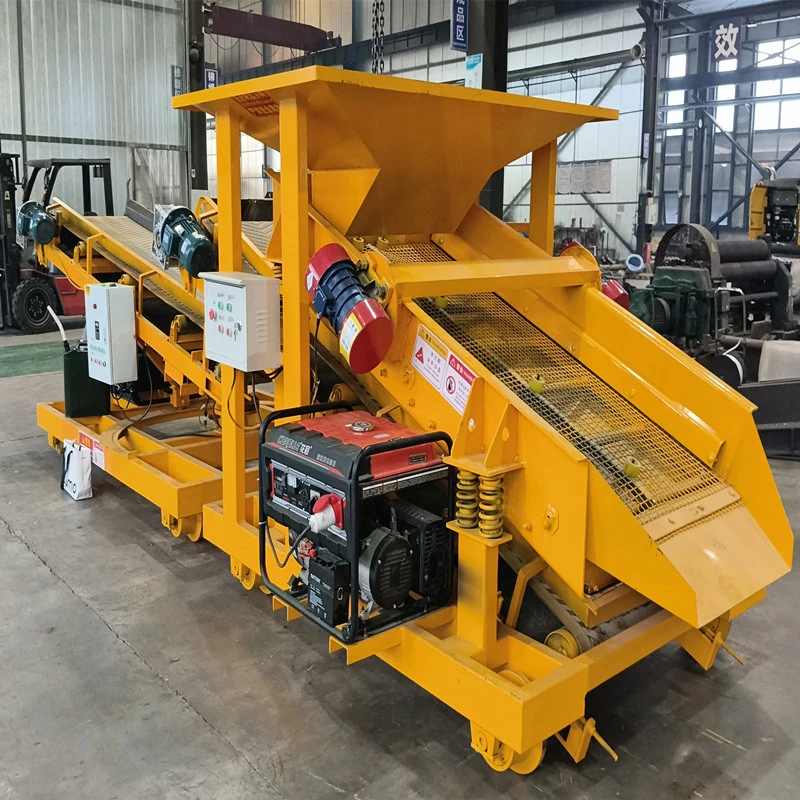
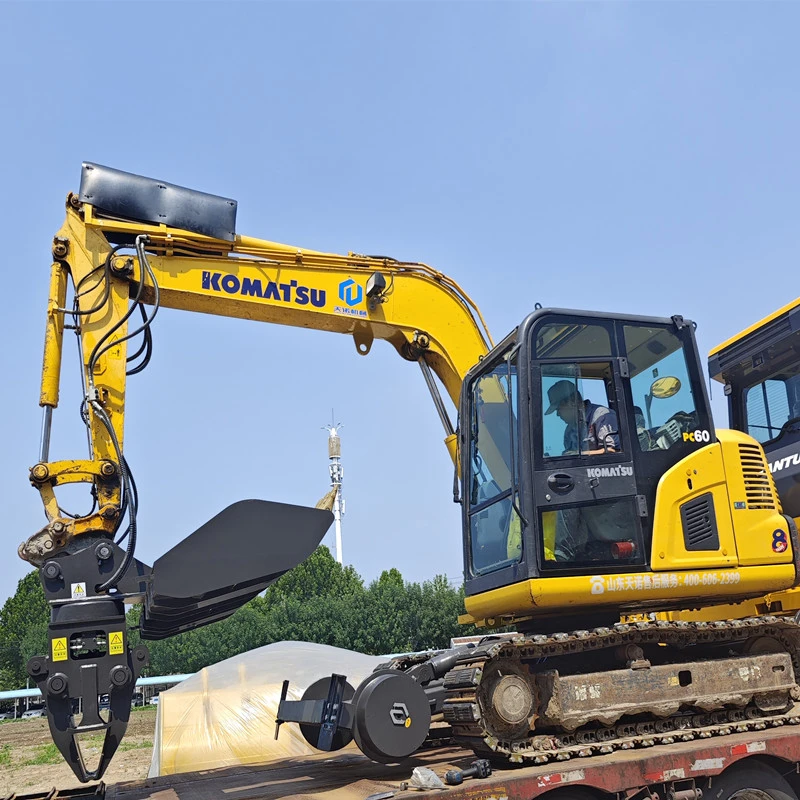
This plan addresses maintenance issues on railway track beds, such as dirt, compaction, soil accumulation, and scattered slopes. It utilizes a combined road-rail excavator equipped with a Tiannuo skip bucket and a mobile ballast screening machine. The equipment is simple, lightweight, easily relocated, and has low maintenance costs, offering higher overall economic benefits compared to large-scale cleaning equipment.
Applicable Railway Sections:
1. Local railways, dedicated lines for industrial and mining areas, and dedicated freight lines for enterprises;
2. Branch lines and connecting lines of conventional railways, and short sections unsuitable for large track maintenance machinery;
3. Old existing lines, sections with narrow track bed space, and sections with localized defects around turnouts;
4. Lines requiring sporadic maintenance, segmented remediation, and periodic preventative ballast cleaning during track maintenance windows;
5. Customized multi-gauge lines overseas (various gauges from 1000-1676mm).
Not applicable scenarios: Large-scale centralized overhaul of mainline railways, and overall deep cleaning and screening of ballast beds.
II. Core Equipment Configuration and Functions
1. Tiannuo Skip Bucket: A quick-change attachment for excavators, specifically designed for railway ballast conditions. It is used to collect mixed ballast, silt, and debris from around sleepers, ballast beds, and slopes. The bucket is wear-resistant and impact-resistant, integrating material feeding, collection, and loading into a single process, directly feeding the screening machine. No complex maintenance is required; simply tighten bolts and perform simple rust removal. It is compatible with various tonnage railway and highway excavators.
2. Mobile Ballast Screening Machine: Equipped with track-mounted wheels, it can move independently along the railway line. It features a separate screening and conveying structure, and the screen aperture can be customized. The Tiannuo skip bucket delivers the excavated mixed ballast into the inlet. The equipment separates soil, broken waste ballast, and qualified ballast on-site, enabling qualified ballast to be backfilled and reused locally, reducing the cost of purchasing new ballast and transporting waste ballast. The machine is easy to operate, can be operated by a single person, and has a low failure rate.
III. Construction Process
Safety control at track maintenance windows → Tiannuo scoop buckets collect dirty ballast and debris from the track bed → Feeding material to the mobile ballast screening machine → Material sorting by the screening machine → Clean ballast backfilling and leveling of the track bed → Centralized removal of waste ballast from the site → Re-inspection of track bed appearance and track quality.
The entire process starts and stops quickly, suitable for scattered defects and short-section segmented operations.
IV. Explanation of why large ballast cleaning and screening machines are not recommended
This plan does not use large ballast cleaning and screening machines for the following reasons:
1. The investment in equipment procurement, transportation, and maintenance is huge, and the input-output ratio of daily maintenance projects for small and medium-sized lines is not matched.
2. The entire system is complex, with many hydraulic, conveying, and electrical control components, expensive spare parts, and high subsequent operation and maintenance costs.
3. The machine's large size and weight limit its access to the site, making flexible construction on dedicated lines, narrow sections, and near turnouts impossible.
4. The large machine is a deep-digging screening machine, easily excavating intact ballast along with the track, resulting in low ballast reuse rates and increased material costs.
V. Advantages of the Solution
1. Low Investment Cost: Utilizing existing railway and highway excavators, only a skip bucket and screening machine are required; no large main unit purchase is necessary.
2. Low Operation and Maintenance Costs: The attachments have a simple and wear-resistant structure, minimizing maintenance workload.
3. High Construction Efficiency:The collection-feeding-screening-backfilling process is continuous, suitable for construction during track maintenance windows.
4. Material Economy: On-site screening and reuse of old ballast saves on ballast procurement and transportation costs.
5. Strong Versatility: The screening machine's track gauge can be customized, adapting to various lines and facilitating relocation.
VI. Safety and Quality Assurance
Strictly adhere to railway operating line construction safety regulations, and establish station and on-site protection measures. During operations, prevent skip buckets from impacting rails and sleepers. After backfilling, ensure the track bed is compacted, the slopes are regular, and all indicators meet the line maintenance and acceptance standards.