

Railway Excavator Modification
Simply put, a rail excavator is a standard crawler excavator that has been modified—by adding a rail chassis or rail wheels—to operate directly on railway tracks. It is akin to fitting the excavator with "legs for the rails," thereby perfectly resolving the issues associated with using crawler tracks on railways—namely, the damage they inflict upon the tracks and their inherent inefficiency.
Core Functions
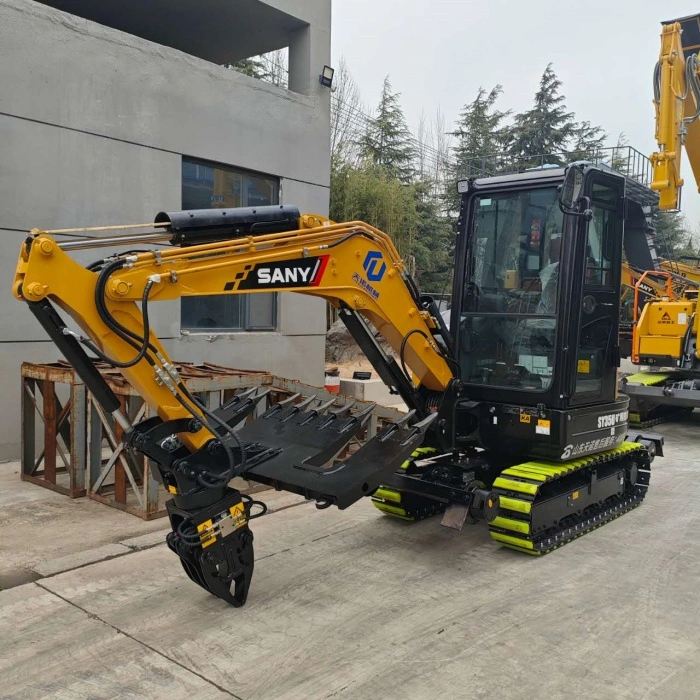
This modification primarily addresses the following key pain points:
Rail Protection: Prevents the excavator's heavy tracks from causing damage to the steel rails.
Efficiency Enhancement: Mechanized operations offer speeds and efficiencies far exceeding manual labor; for instance, the efficiency of replacing sleepers can be up to 20 times that of manual methods.
Risk Reduction: Significantly lowers the physical labor intensity involved in railway maintenance tasks and effectively mitigates safety hazards associated with manual operations.
Cost Savings: The cost of this modification is lower than that of purchasing a dedicated rail engineering vehicle, and a single chassis can be equipped with various attachments, enabling multi-purpose functionality from a single machine.
Application Scenarios
The rail-mounted machine serves as a versatile workhorse in railway construction and maintenance:
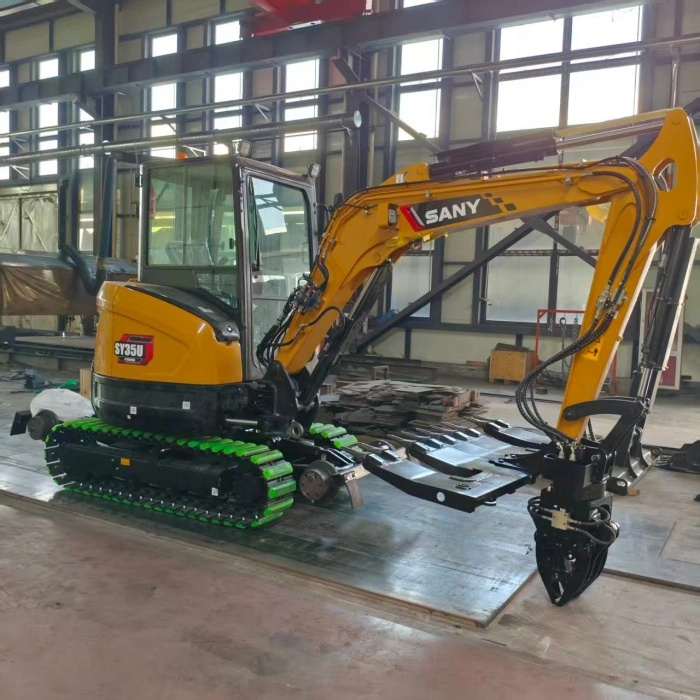
Railway Maintenance: Executes tasks such as ballast cleaning, sleeper replacement, roadbed tamping, and vegetation removal.
Engineering Construction: Performs earthworks—including excavation, loading and unloading, and leveling—during railway line renovation projects.
Emergency Repairs: Rapidly deploys to accident sites to conduct emergency operations, such as track clearance and earthwork backfilling.
Material Transport: When fitted with a flatcar attachment, it can transport materials such as sleepers and fasteners along the tracks, effectively functioning as a compact transport vehicle.
Key Advantages
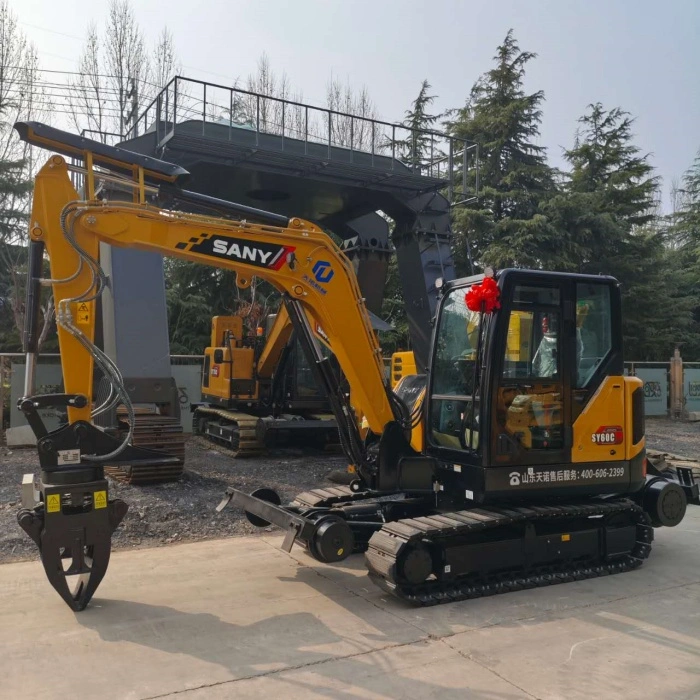
Compared to traditional crawler-type or specialized engineering equipment, its advantages are distinct:
Versatile and Easily Relocated:Fundamentally, it remains a standard excavator; once the rail components are removed, it can be immediately deployed to other job sites, offering exceptional flexibility.
Relatively Low Modification Costs:Since the modifications are performed directly on an existing excavator, the cost is significantly lower than purchasing large-scale, specialized railway engineering machinery designed for a single function.
Superior Operational Stability: When traveling or working on railway tracks, it operates more smoothly than crawler tracks or tires, facilitating precise control and operation.
Energy-Efficient and Eco-Friendly: Some modification configurations utilize hydraulic drive systems, offering high operational efficiency. For industrial or mining railways equipped with overhead power lines, electric motor drives can also be implemented to achieve zero-emission operation.