

What is the difference between a reach stacker and an excavator straddle carrier?
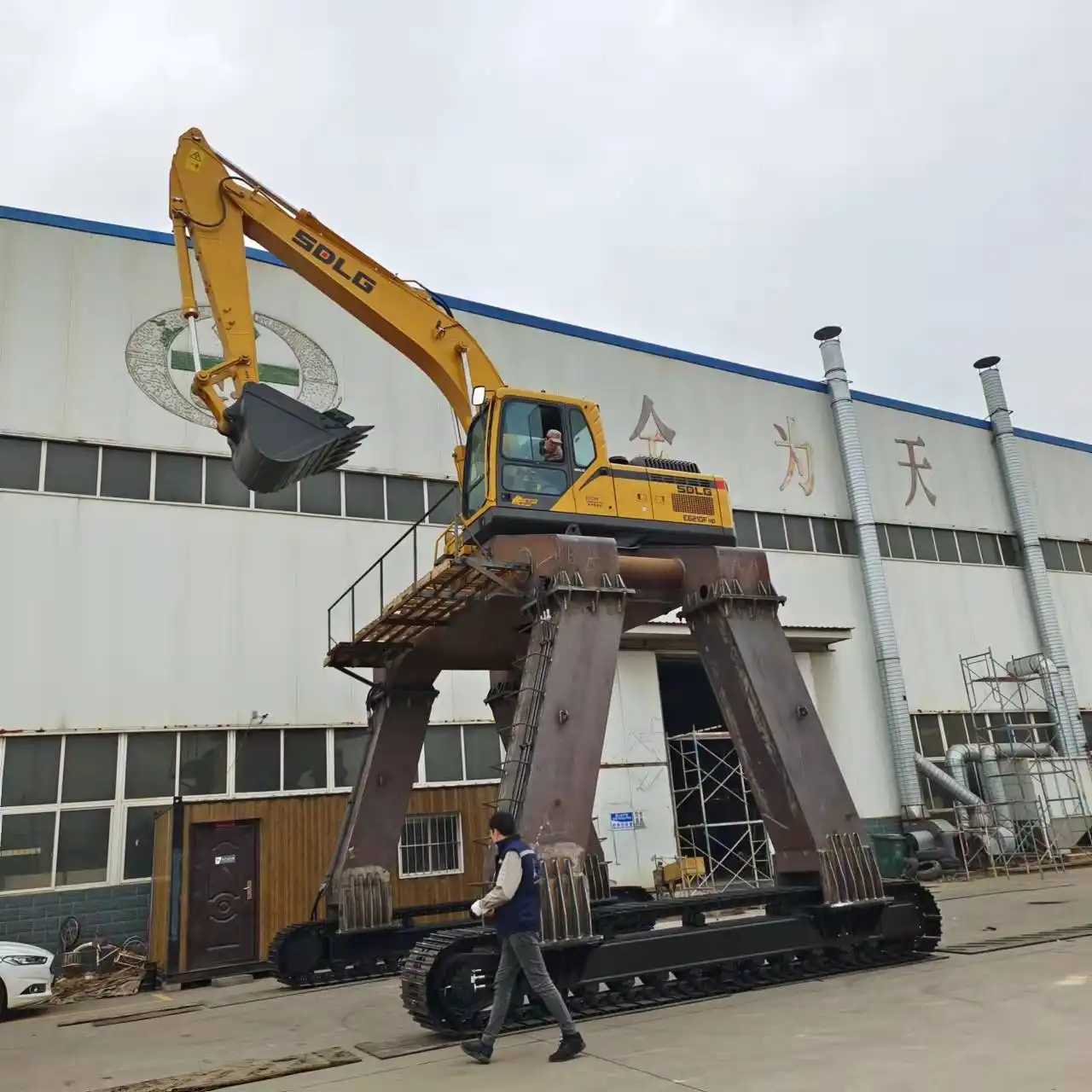
When it comes to heavy-duty material handling in ports, construction sites, and industrial facilities, two machines often come to mind: the reach stacker and the excavator straddle carrier. While both serve crucial roles in logistics and transportation, they differ significantly in design, functionality, and optimal applications. The reach stacker, a versatile container handler, excels in stacking and retrieving containers with its telescopic boom. On the other hand, the excavator straddle carrier, sometimes referred to as a staddle excavator, combines the lifting capabilities of a straddle carrier with the digging prowess of an excavator, offering unique advantages in specialized operations. Understanding these differences is essential for making informed decisions in equipment selection for various industries.
Design and functionality comparisons
Reach stacker vs straddle carrier: Key design features
The reach stacker and excavator straddle carrier exhibit distinct design features that cater to their specific functions. Reach stackers are characterized by their robust chassis, counterweight, and a telescopic boom equipped with a spreader. This design allows them to reach over the first row of containers to access those behind, making them ideal for efficient container stacking in tight spaces. The cab is typically positioned to the side, offering operators excellent visibility.
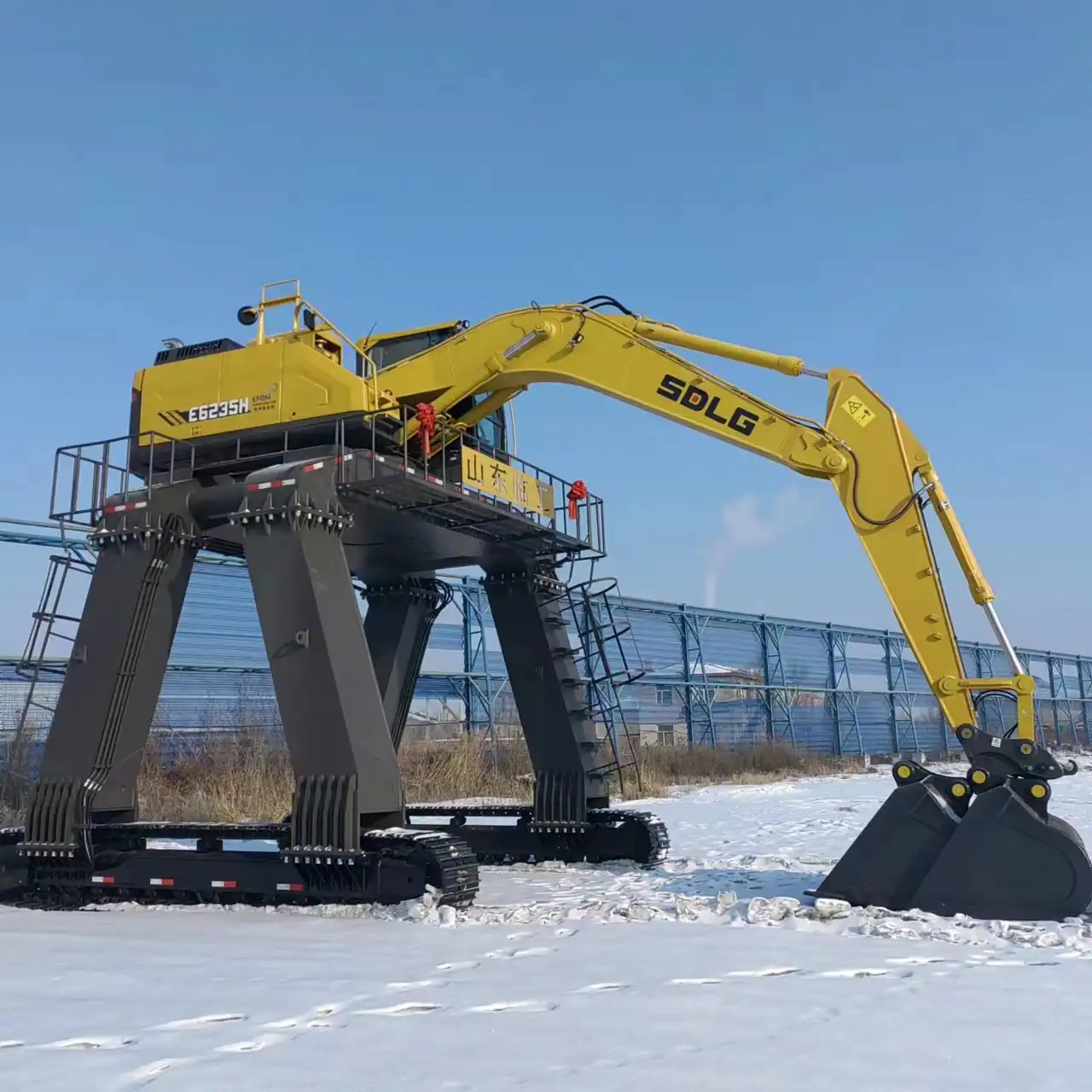
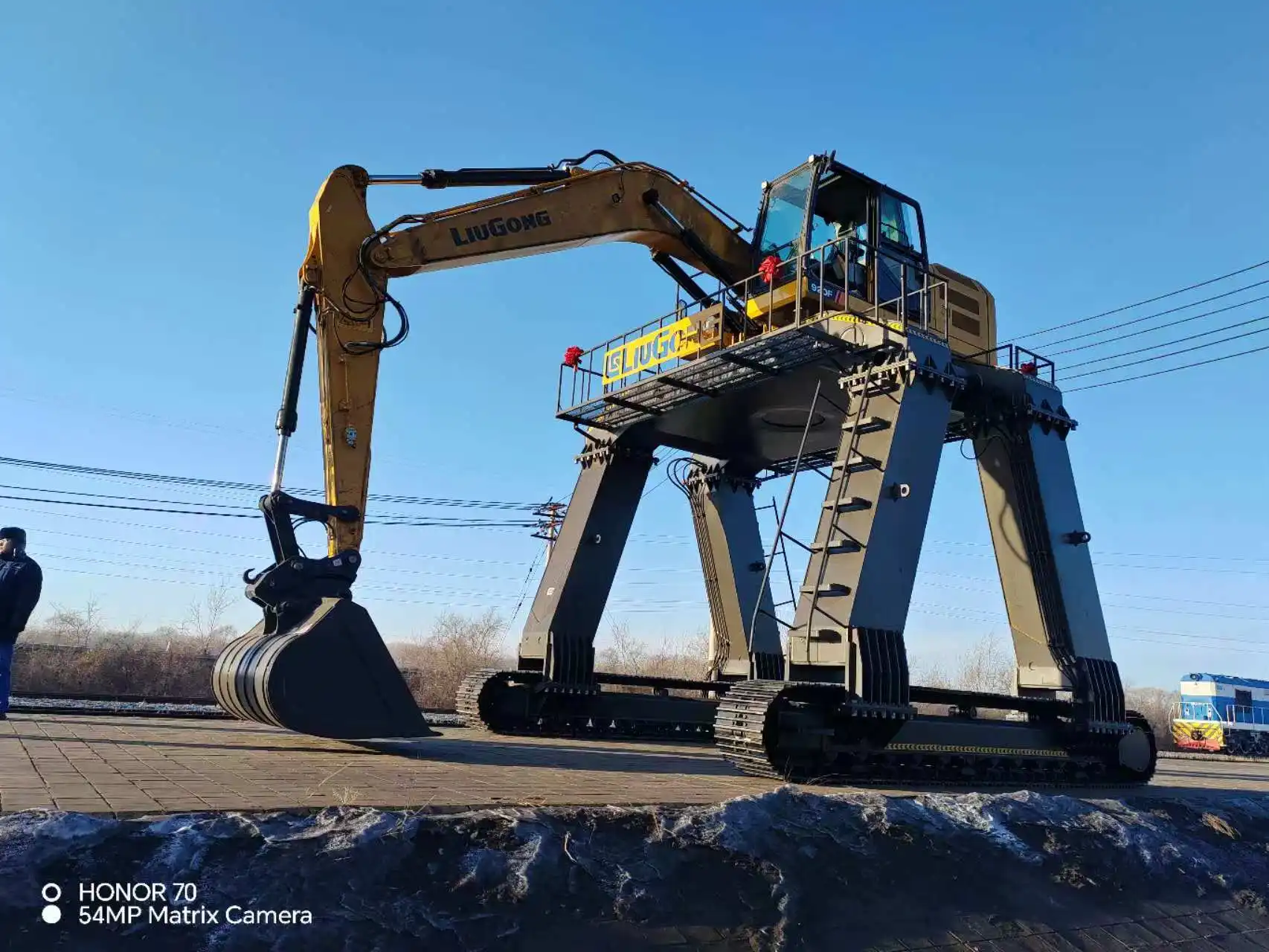
In contrast, the excavator straddle carrier combines elements of both a traditional straddle carrier and an excavator. It features a high-clearance frame that straddles cargo, similar to a straddle carrier, but is equipped with an excavator boom and attachment. This unique design enables it to perform both lifting and digging operations, making it particularly useful in railway maintenance, construction, and specialized material handling scenarios.
Lifting mechanisms: How each machine operates
The lifting mechanisms of these two machines differ significantly. Reach stackers use a telescopic boom with a spreader attachment to lift and move containers. The boom can extend, retract, and pivot, allowing for precise positioning and stacking of containers at various heights and depths. This system provides flexibility in handling containers of different sizes and weights.
Excavator straddle carriers, however, employ a hybrid lifting system. The straddle frame provides vertical lifting capability, while the excavator arm offers additional reach and maneuverability. This combination allows for unique operations such as lifting and moving loads while simultaneously performing excavation tasks. The versatility of this lifting mechanism makes it particularly valuable in specialized applications where both lifting and digging are required.
Maneuverability and workspace requirements compared
When it comes to maneuverability, reach stackers and excavator straddle carriers have different strengths. Reach stackers are designed for relatively open spaces, requiring sufficient room to maneuver and position themselves for container handling. They excel in port environments and large container yards where their ability to stack containers high and deep is advantageous.
Excavator straddle carriers, with their unique design, offer enhanced maneuverability in confined spaces. The straddle frame allows them to move over cargo or railway tracks, while the excavator component provides flexibility in tight areas. This makes them particularly suitable for railway maintenance work, where they can operate on tracks and perform lifting and digging tasks without the need for track closure.
Workspace requirements also differ between the two. Reach stackers generally need wider aisles and turning spaces due to their size and operating method. In contrast, excavator straddle carriers can operate in more confined areas, making them suitable for urban construction sites or narrow railway corridors where space is at a premium.
Ideal applications for each equipment type
Reach stackers: Optimal uses in container handling
Reach stackers shine in environments where efficient container handling is paramount. Their primary domain is in port operations, intermodal terminals, and large logistics centers. These machines excel at rapidly moving and stacking containers, making them indispensable in high-volume container yards. Their ability to access containers in the second or third row without moving the front containers significantly boosts operational efficiency.
In addition to container handling, reach stackers are versatile enough to handle other types of heavy loads. They're often used in industrial applications for moving oversized equipment, steel coils, or other bulky materials. This versatility makes them valuable assets in manufacturing facilities and distribution centers where diverse load handling is required.
The reach stacker's design also makes it ideal for loading and unloading containers from trucks and rail cars. Their precision in placement and ability to operate in relatively tight spaces between rows of containers or vehicles make them crucial in intermodal transport hubs. This capability ensures smooth transitions between different modes of transportation, a key factor in modern logistics chains.
Straddle carriers: Excelling in port operations
Excavator straddle carriers, often referred to as staddle excavators, find their niche in more specialized operations. Their unique design makes them particularly valuable in railway maintenance and construction. These machines can straddle railway tracks, allowing for efficient maintenance work without disrupting rail traffic. They can lift and move heavy components like rail sections or sleepers while also performing necessary excavation work.
In port operations, excavator straddle carriers offer unique advantages. They can be used for both container handling and maintenance tasks within the port area. Their ability to navigate between stacks of containers while carrying out digging or maintenance work makes them versatile tools in port infrastructure projects.
Construction sites, especially in urban areas or other confined spaces, benefit from the excavator straddle carrier's compact footprint and multifunctional capabilities. These machines can perform excavation tasks in narrow trenches or beside buildings while also lifting and moving materials, reducing the need for multiple specialized machines on site.
Versatility: Adapting to different industry needs
While reach stackers and excavator straddle carriers have their primary applications, both machines demonstrate versatility across various industries. Reach stackers, beyond their primary role in container handling, find applications in heavy industry for moving large equipment or materials. Their lifting capacity and reach make them useful in scenarios where traditional forklifts or cranes might be inadequate.
Excavator straddle carriers showcase their adaptability in sectors like mining and waste management. In mining operations, they can be used for both material handling and site maintenance tasks. In waste management facilities, their combination of lifting and digging capabilities proves useful in sorting and moving different types of waste materials.
Both machines have found niches in the energy sector, particularly in wind farm construction and maintenance. Reach stackers can handle the transportation of large wind turbine components, while excavator straddle carriers assist in site preparation and foundation work. This adaptability to emerging industries underscores the evolving nature of heavy machinery applications in response to new technological and environmental challenges.
Efficiency face-off: Which performs better?
Speed and productivity: Comparing operational efficiency
When it comes to operational efficiency, reach stackers and excavator straddle carriers each have their strengths. Reach stackers are renowned for their speed in container handling operations. In a busy port or container yard, a skilled reach stacker operator can move up to 30 containers per hour. This high throughput is crucial in maintaining the flow of goods in global supply chains.
Excavator straddle carriers, while potentially slower in pure container handling, offer efficiency through their multifunctionality. In railway maintenance, for instance, they can perform tasks that would typically require multiple machines, saving time and reducing operational complexity. Their ability to lift, move, and dig without repositioning can significantly speed up certain types of projects.
The choice between the two often depends on the specific operational requirements. For high-volume container handling, reach stackers are generally more efficient. However, in scenarios where versatility and the ability to perform multiple tasks are crucial, excavator straddle carriers may provide better overall operational efficiency.
Cost-effectiveness: Long-term ROI for each machine
Assessing the long-term return on investment (ROI) for reach stackers and excavator straddle carriers involves considering various factors. Initial purchase costs for both types of machines are significant, but they differ in their operational expenses and potential revenue generation.
Reach stackers typically have lower initial costs compared to excavator straddle carriers. They also tend to have lower maintenance costs due to their more straightforward design. In high-volume container handling operations, their efficiency can translate to higher revenue generation, potentially offering a quicker ROI.
Excavator straddle carriers, while often more expensive upfront, can provide value through their versatility. Their ability to perform multiple functions can reduce the need for additional specialized equipment, potentially lowering overall equipment costs for certain operations. In specialized applications like railway maintenance, their efficiency in performing complex tasks can lead to significant cost savings over time.
The long-term cost-effectiveness of each machine largely depends on its utilization rate and the specific needs of the operation. Organizations must carefully consider their operational requirements, workload, and potential for future expansion when evaluating the ROI of these machines.
Environmental impact: Fuel efficiency and emissions
As environmental concerns become increasingly important in industrial operations, the fuel efficiency and emissions of heavy machinery are critical factors to consider. Both reach stackers and excavator straddle carriers have seen improvements in their environmental performance in recent years, but there are differences to note.
Reach stackers, being primarily used in container handling, often operate in cycles of short movements with frequent stops and starts. Modern reach stackers are equipped with advanced engine management systems and hybrid technologies to optimize fuel consumption during these operational patterns. Some models now feature start-stop systems and regenerative braking, significantly reducing fuel consumption and emissions during idle times.
Excavator straddle carriers, with their dual functionality, may have different emission profiles depending on their usage. When used primarily for lifting and moving, their fuel efficiency can be comparable to reach stackers. However, during excavation work, they may consume more fuel. The latest models of excavator straddle carriers incorporate advanced hydraulic systems and engine control units to maximize efficiency across different operational modes.
Both types of machines are increasingly being developed with alternative power sources, such as electric or hydrogen fuel cell options, to further reduce environmental impact. The choice between the two from an environmental perspective often comes down to the specific operational profile and the availability of eco-friendly models in each category.
In comparing reach stackers and excavator straddle carriers, it's clear that each machine has its unique strengths and ideal applications. Reach stackers excel in high-volume container handling, offering speed and efficiency in port and logistics operations. Their ability to stack containers high and deep makes them indispensable in managing large container yards. On the other hand, excavator straddle carriers shine in specialized applications, particularly in railway maintenance and construction projects where both lifting and digging capabilities are required. Their versatility in confined spaces and ability to perform multiple functions make them valuable assets in specific industrial scenarios.
The choice between these two machines ultimately depends on the specific needs of the operation, considering factors such as the primary tasks, workspace constraints, and long-term cost-effectiveness. As the industry evolves, both types of machines continue to see improvements in efficiency, environmental performance, and technological integration, ensuring their relevance in the ever-changing landscape of material handling and construction.
FAQ
1. Can a reach stacker perform excavation tasks like an excavator straddle carrier?
No, reach stackers are not designed for excavation. They specialize in lifting and moving containers or heavy loads but lack the digging capabilities of an excavator straddle carrier.
2. Are excavator straddle carriers suitable for standard container handling in ports?
While they can handle containers, excavator straddle carriers are not typically used for high-volume container operations in ports. They're more suited for specialized tasks combining lifting and digging.
3. Which machine is more fuel-efficient: a reach stacker or an excavator straddle carrier?
Fuel efficiency depends on the specific models and operational use. Generally, reach stackers may be more fuel-efficient in pure lifting operations, while excavator straddle carriers might consume more fuel when performing both lifting and digging tasks.
4. Can reach stackers operate on railway tracks like excavator straddle carriers?
No, reach stackers are not designed to operate on railway tracks. Excavator straddle carriers, with their high-clearance design, are specifically built for tasks involving railway operations.
5. Which machine requires more operator training: a reach stacker or an excavator straddle carrier?
Excavator straddle carriers typically require more extensive operator training due to their dual functionality of lifting and excavating. Reach stacker operation, while still requiring skill, is generally more straightforward.
Staddle Excavator For Sale
At Tiannuo Machinery, we specialize in a wide range of heavy equipment. Our product line extends beyond just excavators, encompassing various railway maintenance equipment, excavator modifications, and engineering arms. We offer customized solutions to meet the unique needs of industries ranging from railway construction to waste management.
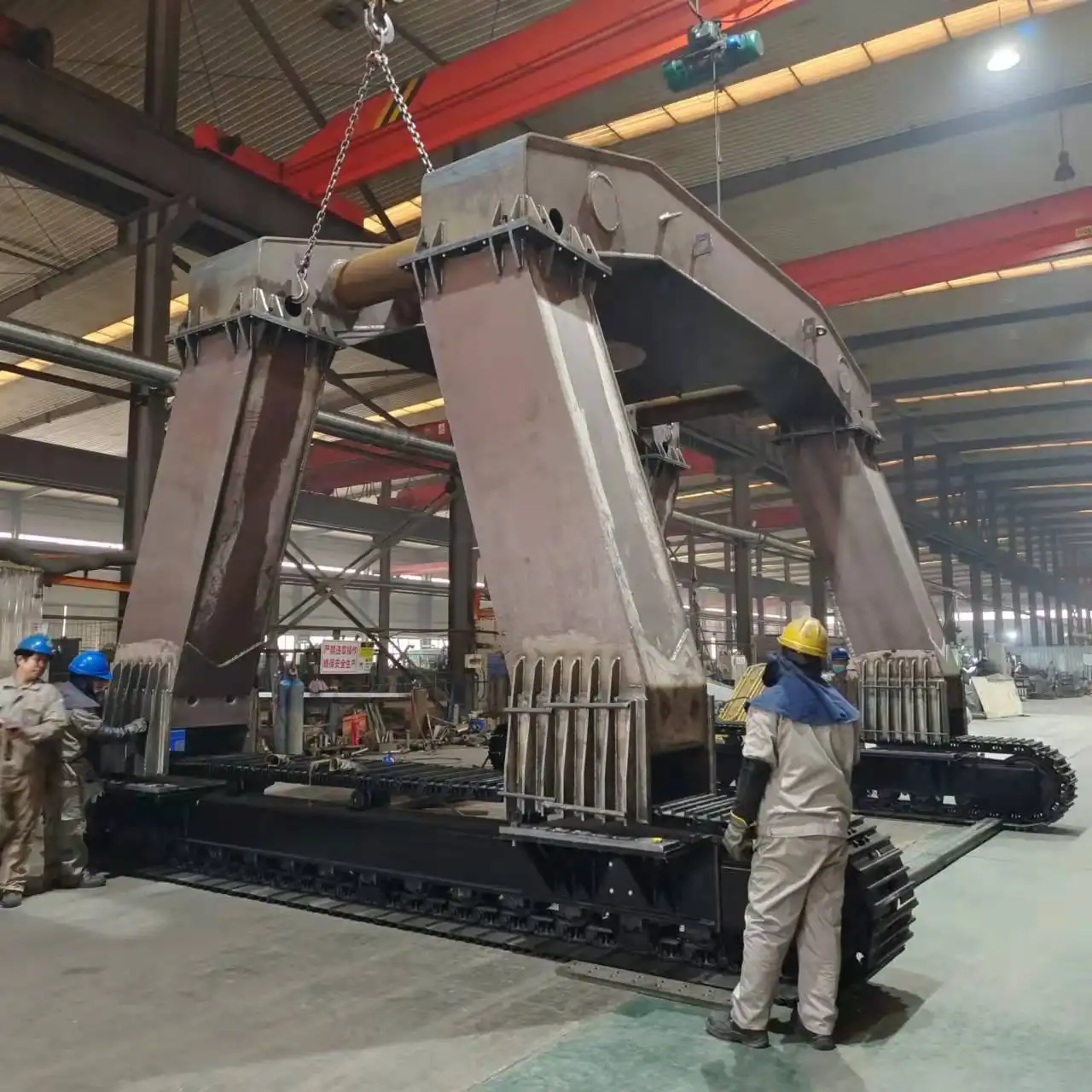
Our staddle excavators are designed with cutting-edge features, including high outriggers for effective train compartment unloading, large buckets for efficient material removal, and enhanced safety features. These machines are built with special high-toughness, wear-resistant steel, ensuring durability and long-term performance.
For those interested in our staddle excavators or other specialized equipment, we invite you to explore our range of products tailored for railway maintenance, construction, and material handling applications. Our team is committed to providing solutions that enhance operational efficiency while meeting stringent safety and environmental standards.
To learn more about our staddle excavators and how they can benefit your operations, please contact us at tn@stnd-machinery.com. Our experts are ready to assist you in finding the perfect equipment solution for your specific needs.
References
- Johnson, R. (2022). "Comparative Analysis of Container Handling Equipment in Modern Ports." Journal of Maritime Research, 45(3), 278-295.
- Smith, A. & Brown, B. (2023). "Innovative Approaches in Railway Maintenance Machinery." International Journal of Railway Technology, 12(2), 156-170.
- Taylor, C. (2021). "Environmental Impact Assessment of Heavy Machinery in Port Operations." Sustainable Logistics Quarterly, 33(4), 412-428.
- Zhang, L. et al. (2023). "Efficiency Metrics in Material Handling: A Case Study of Reach Stackers vs. Straddle Carriers." Logistics & Transport Focus, 25(1), 67-82.
- Anderson, P. (2022). "Cost-Benefit Analysis of Specialized Construction Equipment in Urban Projects." Journal of Construction Engineering, 18(3), 301-315.
- Patel, S. (2023). "Advancements in Hybrid and Electric Heavy Machinery for Industrial Applications." Green Technology Review, 7(2), 189-204.
About Author: Arm
Arm is a leading expert in the field of specialized construction and railway maintenance equipment, working at Tiannuo Company.