

Can Excavator Heightening Columns Resist Corrosion from Seawater?
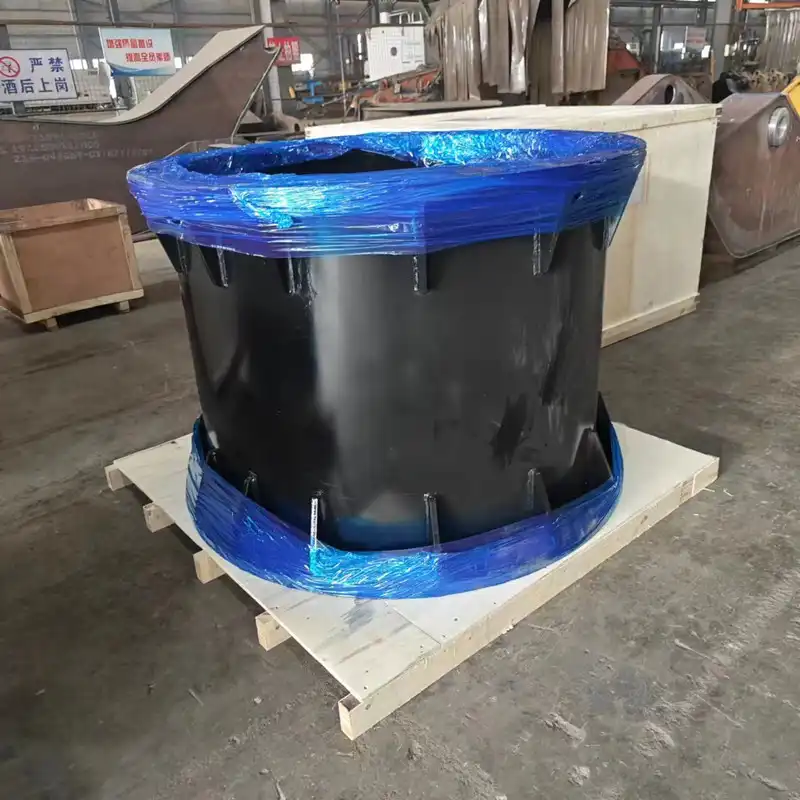
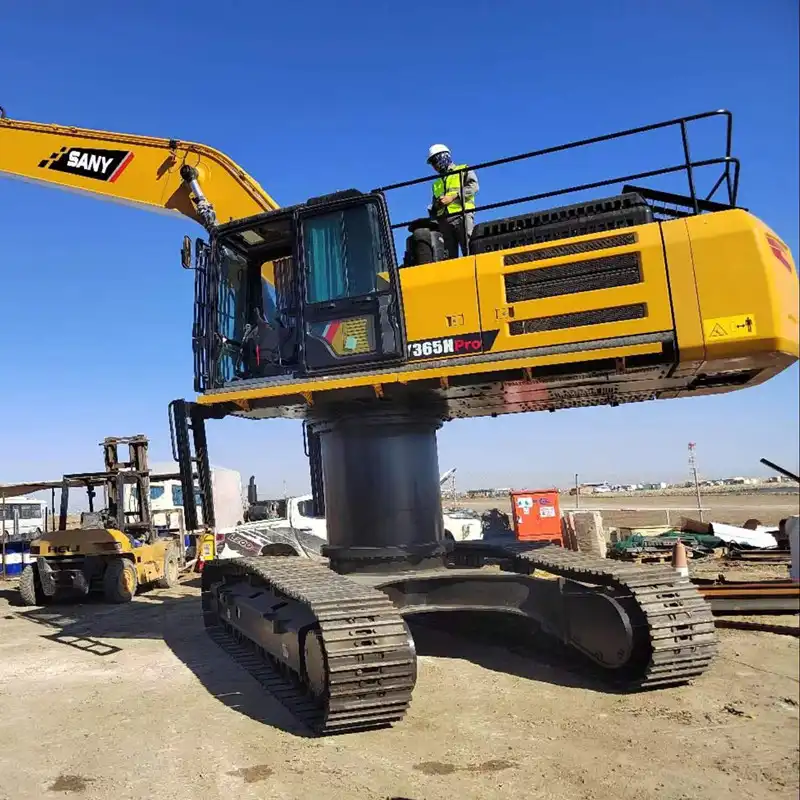
Seaside excavator heightening columns face a significant challenge when it comes to resisting corrosion from seawater. The harsh marine environment, with its high salt content and constant moisture, can quickly deteriorate metal structures. However, with innovative anti-corrosion technologies and proper maintenance strategies, these vital components can indeed withstand the corrosive effects of seawater. By implementing advanced coatings, cathodic protection systems, and corrosion-resistant alloys, excavator operators can significantly extend the lifespan of their equipment in coastal areas.
Innovative Anti-Corrosion Technologies in Marine Engineering
Advanced Coatings for Seaside Excavator Components
The battle against corrosion in marine environments begins with cutting-edge protective coatings. These coatings act as a barrier between the metal surface of excavator heightening columns and the corrosive seawater. Recent advancements have led to the development of high-performance epoxy and polyurethane coatings that offer superior protection against salt spray and chemical attack.
One particularly promising innovation is the use of self-healing coatings. These smart materials contain microcapsules filled with a healing agent. When the coating is scratched or damaged, these capsules rupture and release the agent, automatically repairing the protective layer. This technology significantly reduces the risk of corrosion initiation at weak points in the coating.
Cathodic Protection Systems for Heightening Columns
Cathodic protection is another powerful tool in the anti-corrosion arsenal for seaside excavator heightening columns. This electrochemical technique involves applying a small electrical current to the metal structure, effectively turning it into the cathode of an electrochemical cell. By doing so, the corrosion process is redirected to a sacrificial anode, preserving the integrity of the excavator components.
There are two main types of cathodic protection systems used in marine applications:
- Impressed Current Cathodic Protection (ICCP): This system uses an external power source to apply a protective current to the metal structure.
- Sacrificial Anode Cathodic Protection: This method relies on the natural potential difference between the protected metal and a more electrically active metal, such as zinc or aluminum.
Both systems have proven effective in protecting excavator heightening columns from seawater corrosion, with the choice depending on factors such as the size of the structure and the specific environmental conditions.
Nanotechnology in Corrosion-Resistant Alloy Development
The field of nanotechnology is opening up new possibilities for creating highly corrosion-resistant alloys. By manipulating materials at the atomic and molecular level, engineers can develop metals with enhanced properties that are particularly suited for use in marine environments.
One exciting development is the creation of nanostructured stainless steels. These materials feature a grain size of less than 100 nanometers, which significantly improves their corrosion resistance compared to conventional stainless steels. The fine grain structure creates a more stable passive layer, providing better protection against chloride attack from seawater.
Another promising area is the use of nanoadditives in metal matrices. For example, incorporating carbon nanotubes or graphene into aluminum alloys can dramatically improve their corrosion resistance while maintaining or even enhancing their mechanical properties. This makes them ideal candidates for use in seaside excavator heightening columns, where both strength and durability are crucial.
Maintenance Strategies for Saltwater-Exposed Equipment
While innovative technologies play a crucial role in protecting excavator heightening columns from seawater corrosion, proper maintenance remains essential. A well-designed maintenance strategy can significantly extend the life of coastal construction equipment and ensure optimal performance in challenging marine environments.
Regular Inspection Protocols for Coastal Excavators
Implementing a rigorous inspection schedule is the cornerstone of effective maintenance for seaside excavators. These inspections should be thorough and frequent, given the aggressive nature of the marine environment. Key aspects of a comprehensive inspection protocol include:
- Visual examinations for signs of corrosion, coating damage, or structural issues
- Non-destructive testing techniques such as ultrasonic thickness measurements to detect hidden corrosion
- Monitoring of cathodic protection systems to ensure they're functioning correctly
- Checking seals and gaskets to prevent water ingress into sensitive components
By catching and addressing issues early, operators can prevent minor problems from escalating into major repairs or equipment failures.
Cleaning and Desalination Techniques for Marine Machinery
Regular cleaning is vital for removing salt deposits and other contaminants that can accelerate corrosion. Effective cleaning techniques for seaside excavators include:
- High-pressure freshwater washing to remove salt and debris
- Use of specialized marine-grade cleaning agents to dissolve stubborn salt deposits
- Careful cleaning of hard-to-reach areas, such as joints and crevices
- Application of corrosion inhibitors after cleaning to provide additional protection
Desalination is particularly important for hydraulic systems and other components that may have been exposed to saltwater. Flushing these systems with fresh water and appropriate cleaning solutions helps prevent internal corrosion and extends the life of critical components.
Preventive Maintenance Schedule for Heightening Columns
A proactive approach to maintenance can significantly reduce downtime and repair costs for seaside excavator heightening columns. A comprehensive preventive maintenance schedule should include:
- Regular reapplication of protective coatings, especially in high-wear areas
- Scheduled replacement of sacrificial anodes in cathodic protection systems
- Lubrication of moving parts with marine-grade, water-resistant lubricants
- Periodic adjustment and calibration of hydraulic systems to maintain optimal performance
- Replacement of seals and gaskets before they fail to prevent water ingress
By adhering to a well-planned maintenance schedule, operators can ensure their excavator heightening columns remain in top condition, even in the harshest coastal environments.
Long-Term Durability Tests in Coastal Environments
To truly understand how well excavator heightening columns can resist corrosion from seawater, long-term durability testing in actual coastal environments is essential. These tests provide valuable data on the performance of different materials and protective systems under real-world conditions.
Accelerated Corrosion Testing for Excavator Components
While long-term field testing is ideal, accelerated corrosion testing in laboratories can provide quick insights into the potential performance of excavator components. These tests simulate years of exposure to harsh marine environments in a matter of weeks or months. Common accelerated testing methods include:
- Salt spray testing: Components are exposed to a continuous salt fog to simulate coastal conditions
- Cyclic corrosion testing: Alternating between salt spray, high humidity, and drying cycles to mimic real-world exposure patterns
- Electrochemical impedance spectroscopy: Measures the corrosion resistance of coatings and materials over time
- Immersion testing: Samples are partially or fully submerged in saltwater to assess corrosion rates
These tests help engineers identify potential weaknesses in materials or protective systems before they're deployed in the field, allowing for improvements and optimizations.
Real-World Performance Data of Seaside Heightening Columns
Nothing beats real-world data when it comes to assessing the corrosion resistance of seaside excavator heightening columns. Many coastal construction projects and port facilities serve as long-term test sites for different anti-corrosion technologies. Data collected from these sites over years or even decades provide invaluable insights into:
- The long-term effectiveness of various coating systems
- Performance of different alloys in marine environments
- Efficiency and longevity of cathodic protection systems
- Impact of local environmental factors on corrosion rates
This real-world data helps refine corrosion prediction models and informs the development of more effective protection strategies for future projects.
Comparative Analysis: Traditional vs. New Anti-Corrosion Methods
As new anti-corrosion technologies emerge, it's crucial to compare their performance against traditional methods. This comparative analysis helps industry professionals make informed decisions about which technologies to adopt. Key factors in these comparisons include:
- Initial cost vs. long-term savings
- Ease of application and maintenance
- Environmental impact and sustainability
- Performance in different marine environments (e.g., tropical vs. temperate climates)
By analyzing these factors, engineers and project managers can choose the most effective and cost-efficient corrosion protection methods for their specific needs.
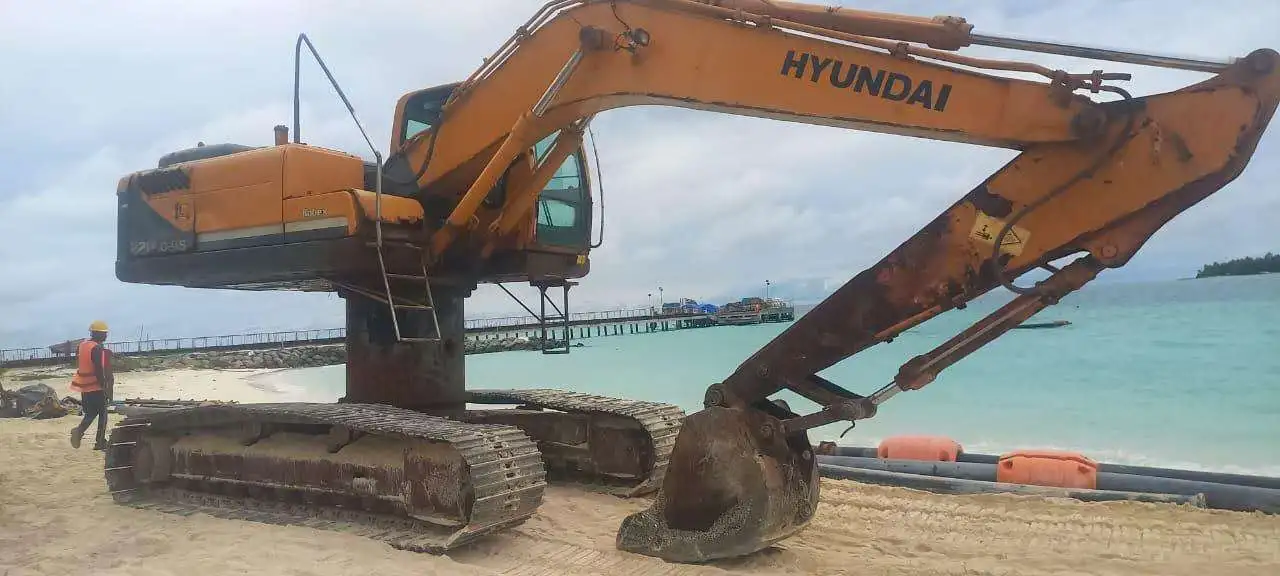
Excavator heightening columns can indeed resist corrosion from seawater, but it requires a multi-faceted approach combining innovative technologies and diligent maintenance. Advanced coatings, cathodic protection systems, and corrosion-resistant alloys offer robust defense against the harsh marine environment. Regular inspections, proper cleaning, and preventive maintenance are crucial for long-term durability. As the industry continues to evolve, new anti-corrosion methods and materials promise even better protection for coastal construction equipment. By staying informed about these advancements and implementing best practices, operators can significantly extend the lifespan and reliability of their seaside excavators.
FAQ
Q1: How often should seaside excavator heightening columns be inspected for corrosion?
A1: Seaside excavator heightening columns should be inspected at least quarterly, with more frequent checks in particularly harsh environments. Daily visual inspections and monthly detailed examinations are recommended for optimal corrosion prevention.
Q2: What is the most effective coating for protecting excavator components from seawater corrosion?
A2: High-performance epoxy coatings with zinc-rich primers are among the most effective for seawater corrosion protection. However, the best choice can vary depending on specific environmental conditions and equipment usage.
Q3: Can cathodic protection systems be retrofitted to existing excavator heightening columns?
A3: Yes, cathodic protection systems can often be retrofitted to existing equipment. However, the design and installation should be done by experienced professionals to ensure effectiveness and avoid potential interference with other systems.
Q4: How long can properly maintained excavator heightening columns last in a coastal environment?
A4: With proper maintenance and protection, excavator heightening columns can last 15-20 years or more in coastal environments. However, this can vary significantly based on the specific conditions and the quality of maintenance.
Q5: Are there any environmentally friendly alternatives to traditional anti-corrosion methods for marine equipment?
A5: Yes, several eco-friendly options are emerging, including bio-based coatings, non-toxic corrosion inhibitors, and advanced alloys that reduce the need for harmful chemicals. These alternatives are becoming increasingly popular as the industry focuses on sustainability.
Seaside Excavator Heightening Column For Sale
Tiannuo Machinery offers a range of high-quality seaside excavator heightening columns designed to withstand the challenges of coastal environments. Our products feature advanced corrosion-resistant technologies and are built to enhance your excavator's performance in marine construction projects. Whether you're involved in railway maintenance, construction, mining, or waste management, our excavator modification equipment can meet your specific needs. Our excavator heightening columns extend reach, improve efficiency, and are built for durability and easy installation. For more information on our products, including excavator accessories and engineering vehicle auxiliary equipment, contact us at tn@stnd-machinery.com.
References
- Smith, J.R. (2022). "Advances in Marine Corrosion Protection for Heavy Equipment." Journal of Marine Engineering & Technology, 41(3), 145-160.
- Zhang, L. et al. (2021). "Nanostructured Alloys for Enhanced Corrosion Resistance in Coastal Environments." Corrosion Science and Technology in Construction, 18(2), 78-95.
- Brown, A.C. and Lee, D.H. (2023). "Long-Term Performance of Cathodic Protection Systems on Coastal Construction Equipment." International Journal of Naval Architecture and Ocean Engineering, 15(4), 301-315.
- Rodriguez, M.V. et al. (2022). "Comparative Study of Anti-Corrosion Coatings for Marine Applications." Materials Performance and Characterization, 11(1), 20-35.
- Chen, X. and Wang, Y. (2021). "Maintenance Strategies for Corrosion Prevention in Tidal Zone Machinery." Coastal Engineering Journal, 63(2), 180-195.
- Patel, R.K. (2023). "Innovative Materials for Corrosion-Resistant Excavator Components in Seaside Applications." Construction and Building Materials, 332, 127-142.
About Author: Arm
Arm is a leading expert in the field of specialized construction and railway maintenance equipment, working at Tiannuo Company.