

High-Vantage, Precision Operation: Excavator Elevating Cab Modification
The modification involves retrofitting the excavator with a hydraulic lifting mechanism that allows the cab to be raised and lowered smoothly within a specific range, thereby completely resolving the issue of blind spots associated with traditional fixed cabs under certain operating conditions.
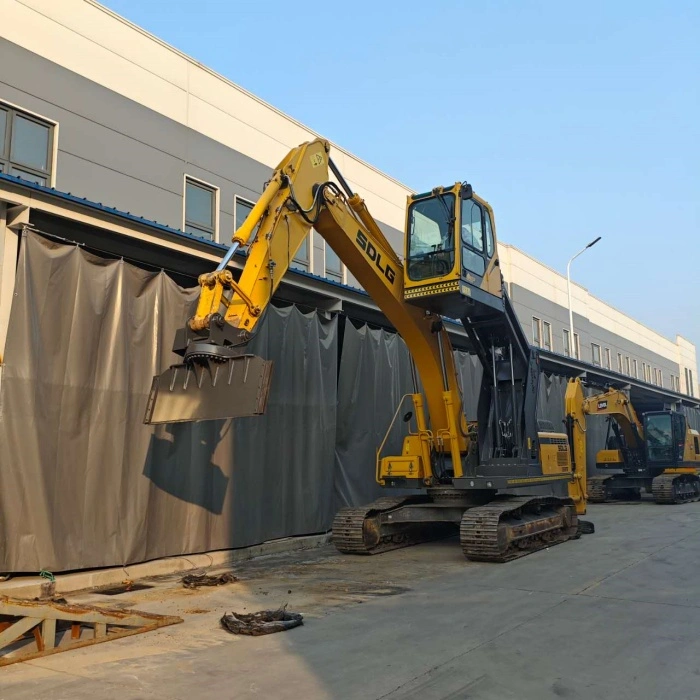
Key Function: Eliminating Blind Spots
Following the modification, the driver can raise the cab to a maximum height of approximately 2.5 meters (with options for greater heights upon request) based on operational needs. This extends the field of view by 4–5 meters, providing a commanding, unobstructed view of the work area. The primary benefit is enabling the driver to see the work surface directly, eliminating the need to rely on ground personnel for guidance or on guesswork during operation.
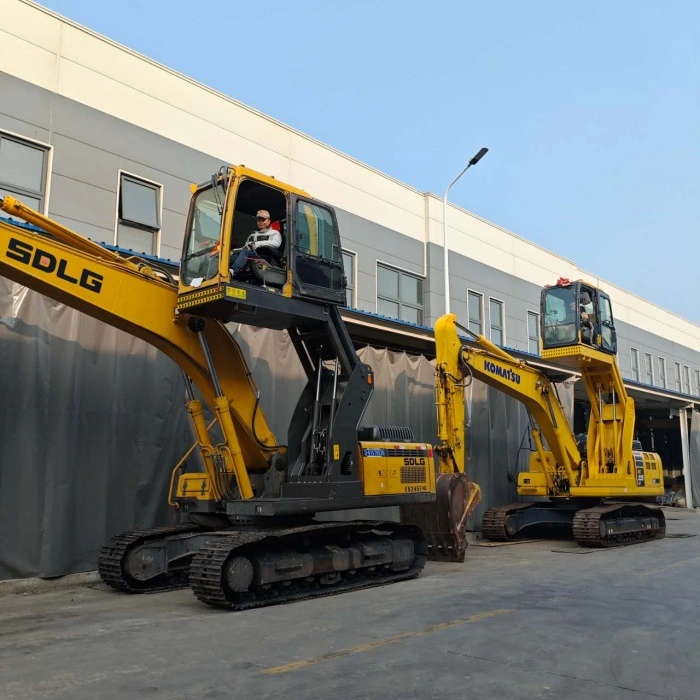
Key Advantages and Benefits
1. Significantly Improved Operational Efficiency
Operators gain a clear view of the bucket's landing point, the interior of truck beds, or the state of material piles, eliminating the need for repeated machine repositioning or waiting for ground-based guidance. Transition times between operational modes are drastically reduced, resulting in an overall efficiency increase of over 30% compared to traditional cabs.
2. Enhanced Operational Quality and Safety
Precision Operations: In scenarios such as train loading or high-rise demolition, the system prevents off-center loading, missed spots, or demolition inaccuracies, ensuring quality at the source.
Risk Mitigation: It minimizes operational errors and safety hazards caused by blind spots; furthermore, operators do not need to exit the machine in hazardous areas to inspect the site, thereby better safeguarding personal safety.
3. Optimized Labor Costs
The elevated view enables "one-person, one-machine" precision operations, reducing the need for on-site spotters or signalers and lowering management overhead.
4. Versatility and Adaptability
The elevating cab chassis supports various attachments—such as clamshell buckets, rotary scrapers, and multi-tine grapples—allowing a single excavator to handle diverse tasks ranging from railway unloading and port bulk cargo handling to scrap metal recycling.
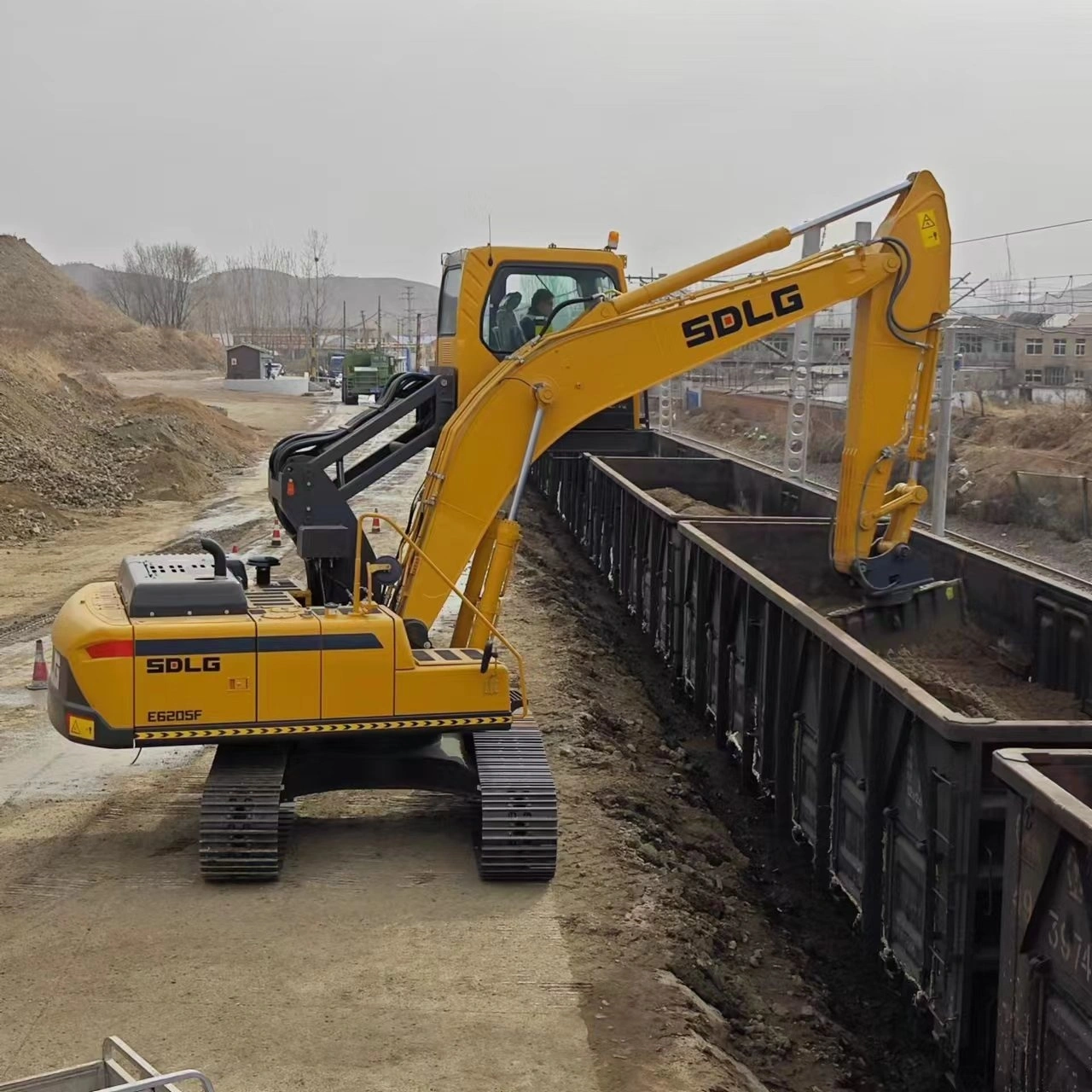
Key Application Scenarios
The concept of elevating cabs originated in operations involving the manual unloading of coal from railcars; today, this technology is widely used in niche markets requiring an elevated field of vision:
Railway Freight and Handling: Used for loading, unloading, leveling, and organizing cargo (such as coal or bulk materials) inside railcars. An elevated cab allows the operator to clearly see the load status, ensuring even distribution and preventing overloading or unbalanced loads.
High-Rise Demolition: During the demolition of high-rise structures, an elevated cab provides a clear view of the upper-level work area, enabling greater precision and reducing risks associated with blind spots.
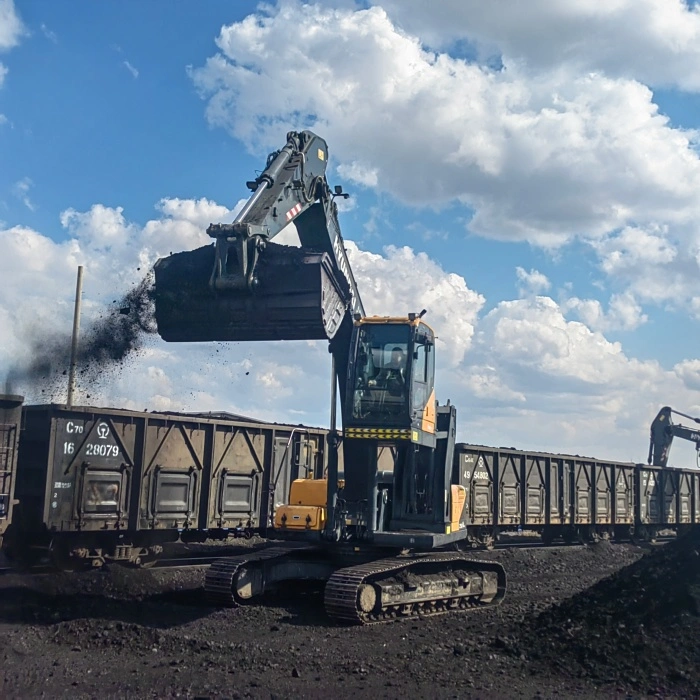
Port and Yard Handling: Used for handling ores and logs, as well as for precise positioning with containers and high-sided trucks. When working with high material stockpiles, the operator can see over the pile to monitor the bucket's landing point, facilitating smoother loading and unloading operations.
Steel Mills and Scrap Recycling: In scrap steel loading and metal recycling operations, where materials vary in shape and weight, an elevated view helps the operator assess the overall situation, thereby improving the accuracy of grabbing and loading tasks.
Forestry and Logging: When handling high stacks of timber, an elevated cab allows the operator to monitor the entire stack configuration, making operations safer and more efficient.