

How do you select a suitable sleeper grab for an existing excavator?
The railway sleeper grapple (also known as a sleeper handler or sleeper changer) attached to a railway excavator is essentially a hydraulic work tool mounted on the machine's front end. It transforms the traditionally labor-intensive task of sleeper replacement into a mechanized operation, serving primarily to grip and replace sleepers—handling both old and new ones—as well as to clear ballast from the track bed.
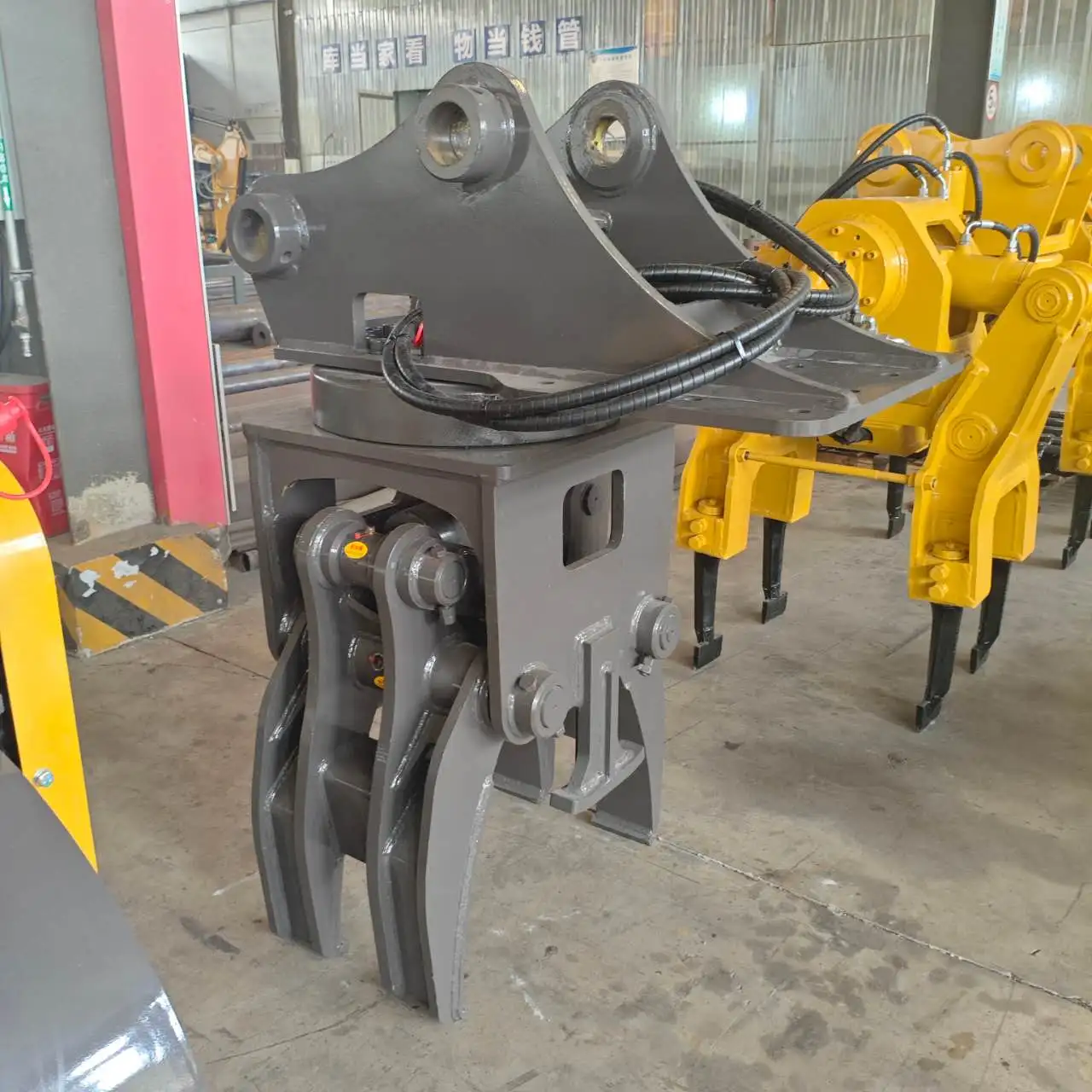
The railway tie handler integrates multiple functions, serving as a versatile "all-rounder" in railway maintenance:
Efficient tie replacement: This is its core task. It can rapidly grip and extract old ties while simultaneously picking up and laying new ones, ensuring a smooth and continuous workflow.
Ballast bed clearing: The "large shield" or ballast-scraping blade at the front can easily push aside or backfill the ballast (crushed stone) around the ties, clearing the work area for the replacement operation.
Secure gripping: The hydraulic gripping jaws are specifically designed for concrete and wooden ties; they provide powerful yet controllable clamping force without damaging the ties. Some models are also equipped with pressure-holding valves that maintain the grip even if a hydraulic line ruptures unexpectedly, preventing ties from falling and causing injury.
Compared to traditional manual methods, the use of mechanized sleeper grabs offers significant advantages:
A Leap in Efficiency: This is the most notable benefit. A sleeper-handling machine can replace an average of 1.5 sleepers per minute—more than 20 times the efficiency of manual labor—thereby maximizing the use of limited track-access windows.
Labor and Cost Savings: While sleeper replacement previously required hundreds or even thousands of workers operating simultaneously, the task can now be completed by a single excavator operator and a small support crew, drastically reducing management costs and labor intensity.
Enhanced Safety: Mechanized operation eliminates the need for workers to manually handle concrete sleepers weighing hundreds of kilograms (e.g., Type III sleepers weigh up to 360 kg), significantly lowering the risk of crushing or impact injuries.
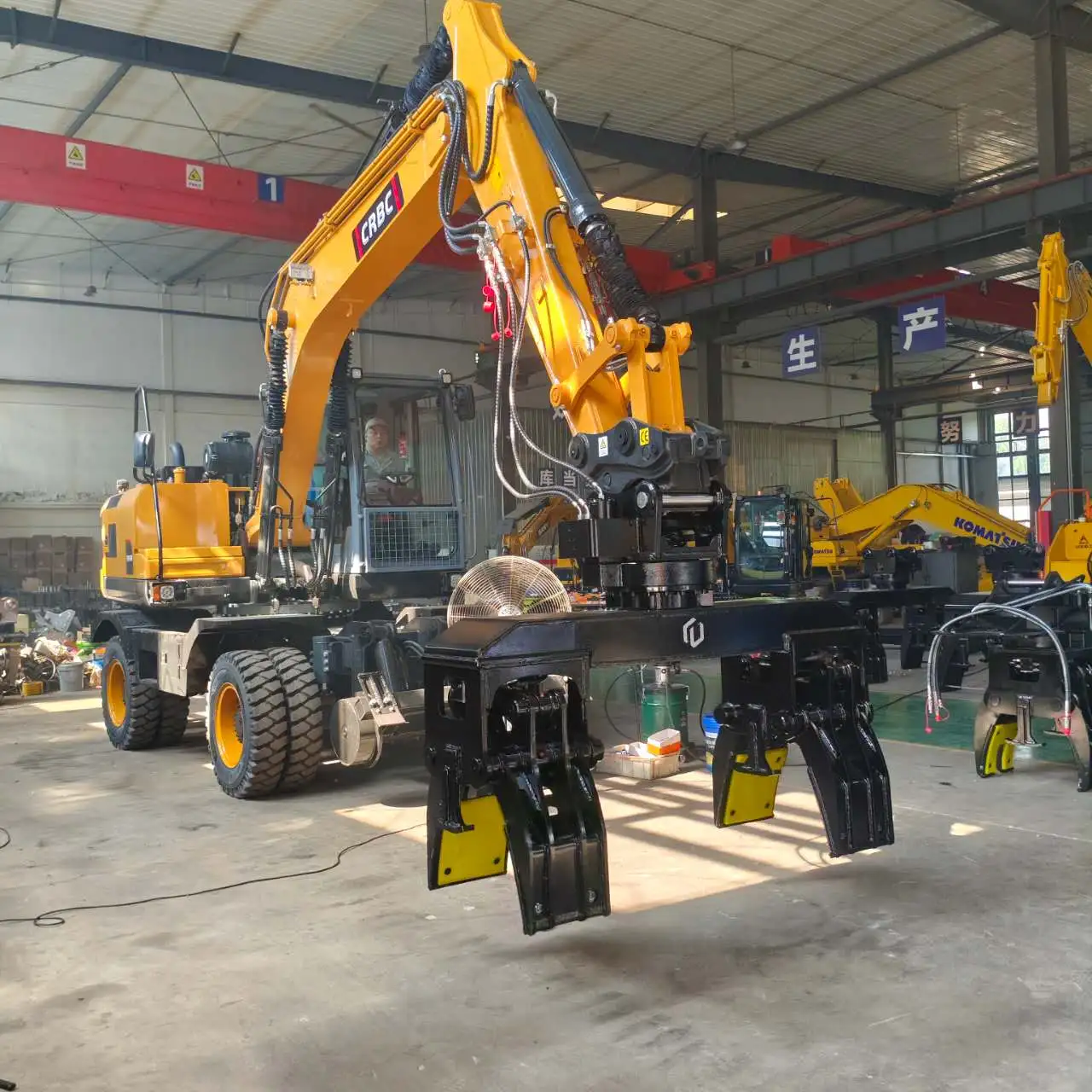
High Adaptability: Using quick-change couplers, the excavator can rapidly switch between different attachments. The sleeper grab itself features 360-degree rotation and adjustable gripping width, allowing it to accommodate sleepers of various types and spacings.
Sleeper clamps are primarily used in railway maintenance and major overhaul operations, playing a crucial role in the following scenarios:
Major overhaul and sleeper replacement: When railway infrastructure reaches the end of its service life (e.g., 15–20 years) and requires the replacement of concrete or bridge sleepers over extended sections.
Emergency track repairs: Rapidly clearing and replacing damaged sleepers to restore service following accidents that cause track damage.
New line construction and upgrades: Facilitating efficient sleeper laying during the construction of new tracks or the modification of existing lines.
Ballast cleaning and maintenance: Supporting ballast cleaning operations by assisting in the removal and backfilling of ballast.