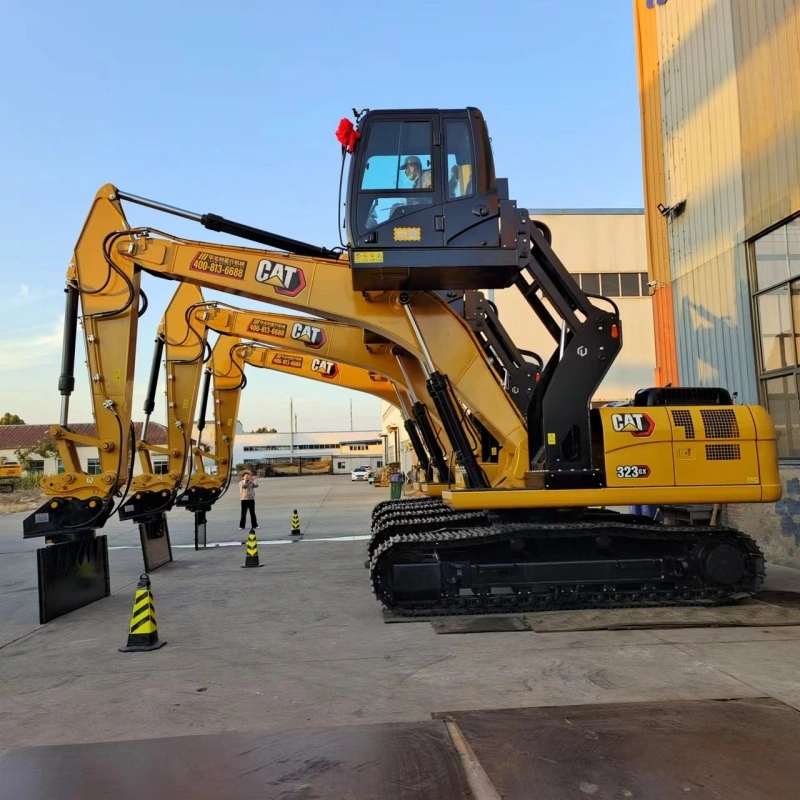

The excavator's lifting cab is an engineering innovation that liberates the operator from the traditional visual "cage".
Traditional excavator cabs are positioned low, and the large boom and bucket severely obstruct the operator's view, posing a safety hazard, especially during delicate operations or when working near edges or deep pits. The core purpose of a lift cab is to solve this problem.
Superior Visibility: This is the most crucial advantage. When the cab is raised, the operator's line of sight extends beyond the boom, providing unparalleled panoramic visibility, clearly observing the bucket, the work surface, the vehicle's surroundings, and pedestrians.
Extremely High Safety:
Eliminating Blind Spots: Significantly reduces collisions and run-over accidents caused by obstructed vision.
Adaptability to Complex Working Conditions: In situations such as working on slopes, in trenches, along cliff edges, or demolishing dangerous buildings, the operator can better judge the distance between the machine and hazardous areas, making safer decisions.
Improved Work Efficiency and Precision: The clear view allows the operator to control the bucket more precisely, reducing repetitive adjustments, making it particularly suitable for tasks requiring high precision, such as leveling slopes, trench excavation, and precise loading and unloading.
Improved operator experience: A higher vantage point provides a sense of psychological superiority and control, reducing operator fatigue.
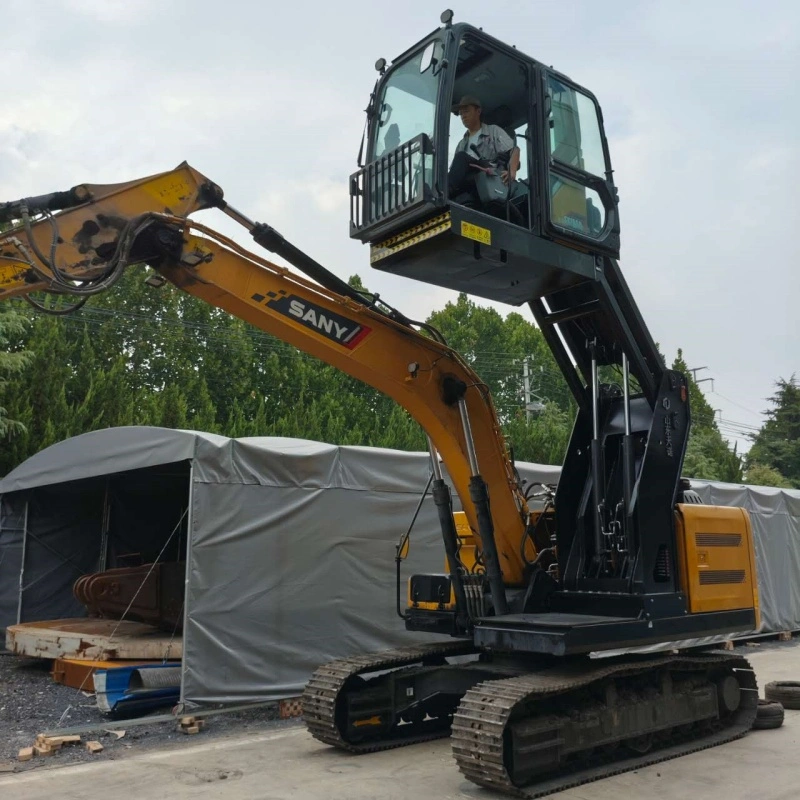
The excavator lifting cab is a high-end configuration designed for scenarios involving "precise operations, complex working conditions, and safety sensitivity".
Structural Strength and Stability Calculations: The lifting mechanism and connecting base must be able to withstand the weight of the cab, the operator's weight, and the enormous dynamic loads and overturning moments generated during machine movement and operation. Rigorous finite element analysis is required.
Safety Redundancy Design:
Dual-Insurance Fall Protection System: Typically employs a dual protection system of "hydraulic lock + mechanical pin".
Emergency Descent System: In the event of a main hydraulic system failure, there should be a manual pressure relief mechanism or a backup small pump to safely lower the cab.
Overload Protection and Limit Switches: Prevent overload or overshooting of the lifting mechanism.
Human-Machine Interface and Control Logic:
Lifting operations are typically controlled by a dedicated, protected switch or handle to prevent accidental activation.
Interlocking functions are often integrated into the control logic: For example, lifting operations are only permitted when the excavator is completely stopped (travel handle in neutral position) and the boom and bucket are in a safe position; conversely, during lifting, the cab's travel or main operating functions may be locked.
Environmental sealing and comfort: The sliding parts of the lifting mechanism need to have good dustproof and waterproof seals to adapt to harsh construction site environments. The shock absorption and air conditioning systems of the cab itself also need to be optimized for lifting operations.
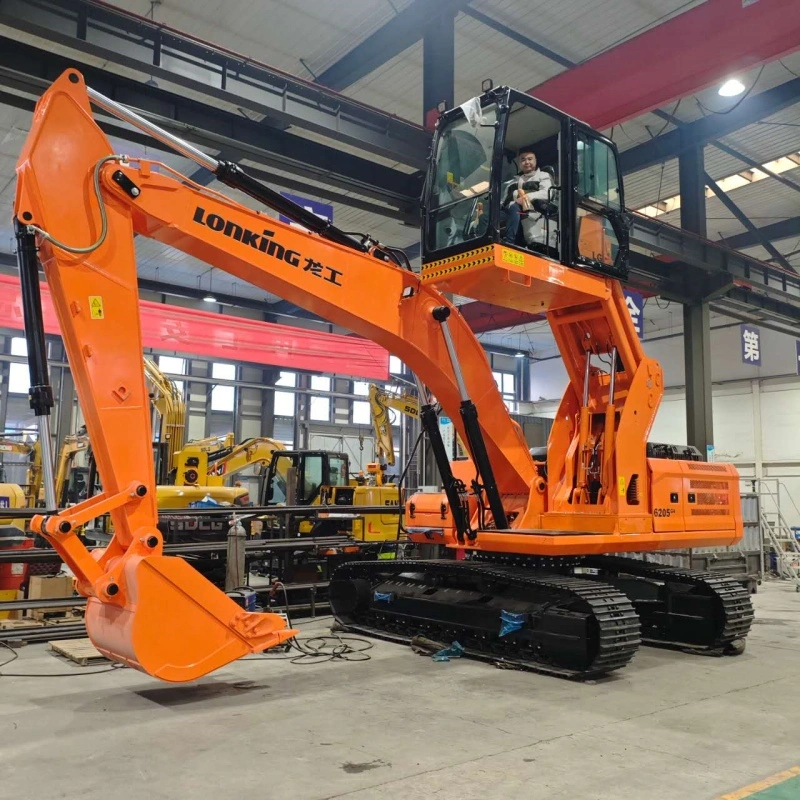
Enhanced Safety: Reduced blind spots and advance risk assessment (e.g., pit edges, underground pipeline markings, nearby personnel and vehicles).
Improved Operational Precision: More precise control over flatness, slope, and depth.
Improved Operator Comfort: Wider operator visibility reduces psychological stress and fatigue caused by constantly craning their necks to look around.
Enhanced Equipment Adaptability: A single machine can handle various working conditions, from low-ceilinged spaces to open terrain, broadening its application range and improving return on investment.
Improved Communication Efficiency: At higher positions, operators can better communicate with ground control personnel through eye contact and gestures.
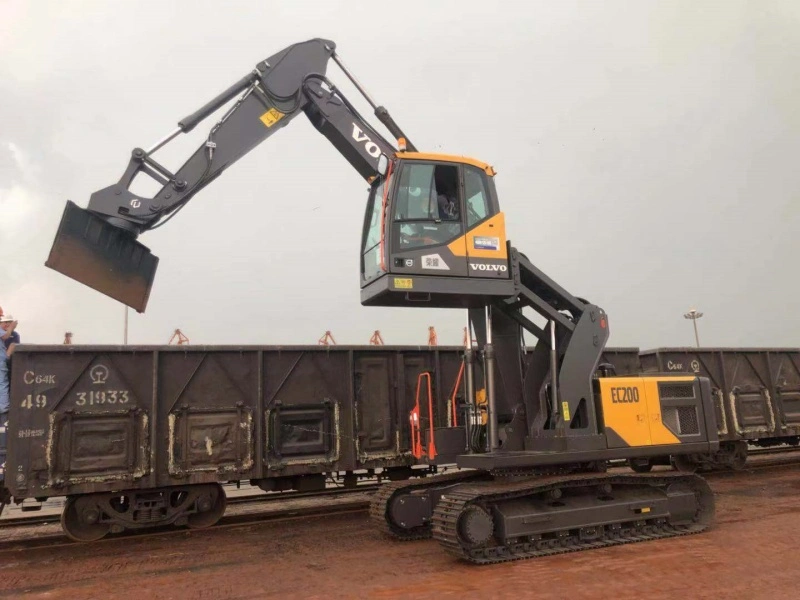
The excavator lift cab revolutionizes operator visibility, fundamentally improving operational safety, precision, and comfort. While it increases cost and complexity, the added value of this technology is significant for modern engineering applications that prioritize efficiency, safety, and precision, making it a key selling point and development trend for high-end and new excavators.