

The "Plastic Surgeon" of Railway Ballast Beds
A ballast plow is a highly efficient piece of heavy-duty railway maintenance machinery—aptly described as a specialized tool for performing "cosmetic surgery" on the railway roadbed. Its primary function is to collect, distribute, and level the stone ballast beneath the tracks, thereby rendering the roadbed more uniform and compact, and ultimately ensuring the smooth and safe operation of trains.
Its primary advantages include:
Exceptional Efficiency: It far surpasses manual labor, significantly reducing the "track possession" time required for large-scale construction projects.
Standardized Results: It precisely executes tasks such as slope profiling and ballast leveling, ensuring a neat trackbed appearance and uniform load distribution, thereby eliminating the quality inconsistencies inherent in manual operations.
Labor Savings: A single machine can accomplish work that previously required a large workforce, thereby liberating workers from arduous physical labor.
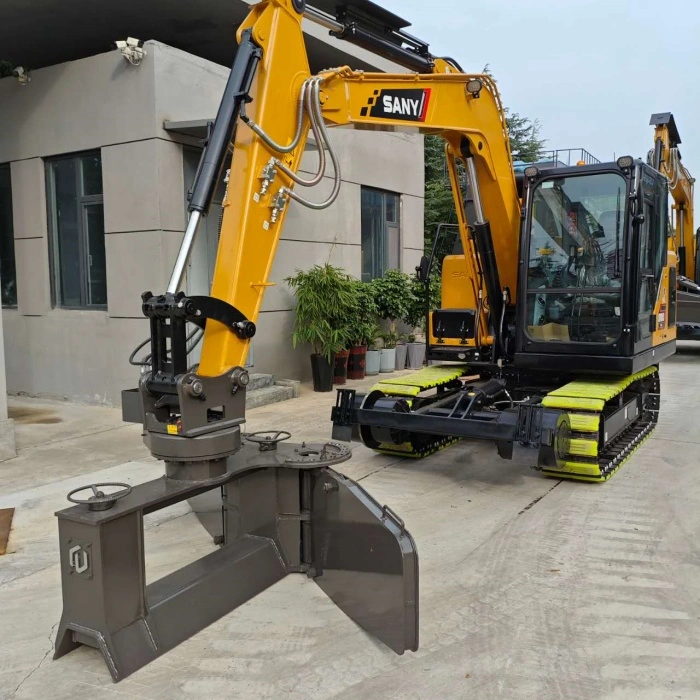
Integrated Functionality: Modern ballast plows often incorporate sweeping mechanisms; while plowing the ballast, they simultaneously clear loose stones from sleepers and fasteners, enabling a single machine to perform multiple functions.
The ballast plow plays a crucial role in both railway construction and routine maintenance, particularly in the following scenarios:
Ballast Bed Shaping for New or Majorly Overhauled Railways: After new ballast has been laid, the ballast plow rapidly and uniformly distributes the stone aggregate and shapes the shoulder slopes, thereby completing the preliminary formation of the ballast bed in a single pass.
Ballast Redistribution During Line Maintenance: Following ballast cleaning or the replenishment of new ballast, the plow is used to redistribute aggregate from areas of accumulation to areas of deficiency, ensuring that the entire cross-section of the ballast bed conforms to established standards.
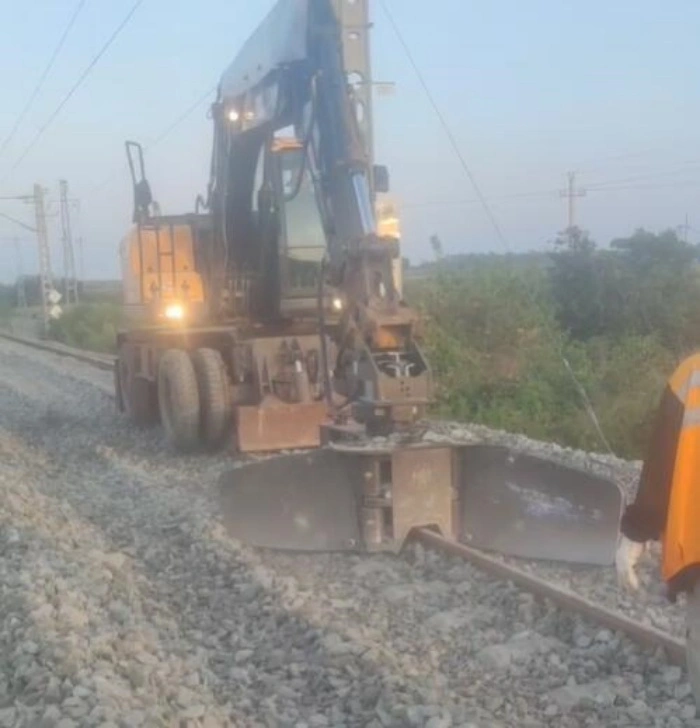
Restoration of Ballast Bed Profile: During routine maintenance, the plow addresses ballast loss or uneven accumulation caused by train operations, wind, and rain erosion; it restores the ballast bed to its standard profile, thereby ensuring efficient drainage and track stability.
Remediation of Specific Track Defects: For instance, when realigning curves, the plow is specifically utilized to clear ballast away from the ends of the sleepers, effectively "clearing the path" for subsequent track-shifting operations and thereby reducing construction resistance.